





Blue Floral Jars
Blue floral jars bring together centuries of global ceramic traditions, offering collectors painted botanical motifs in enduring cobalt tones across porcelain and earthenware forms.
Blue Floral Jars
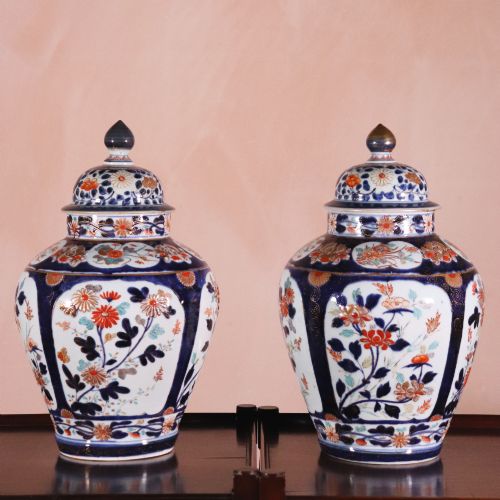
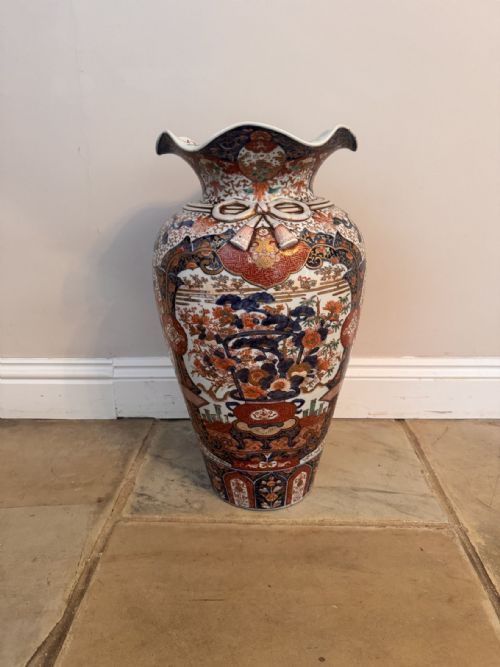
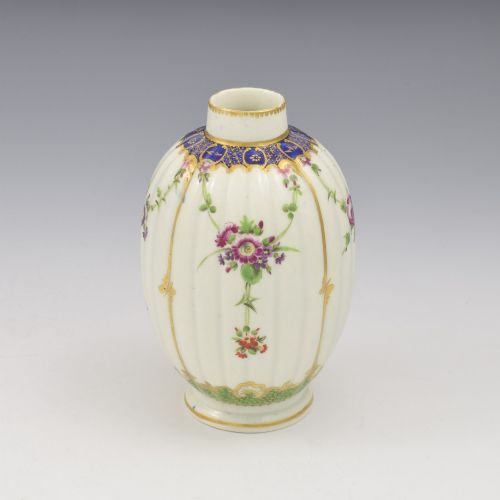
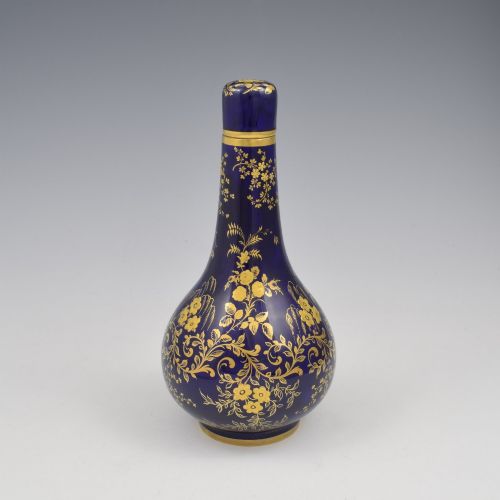
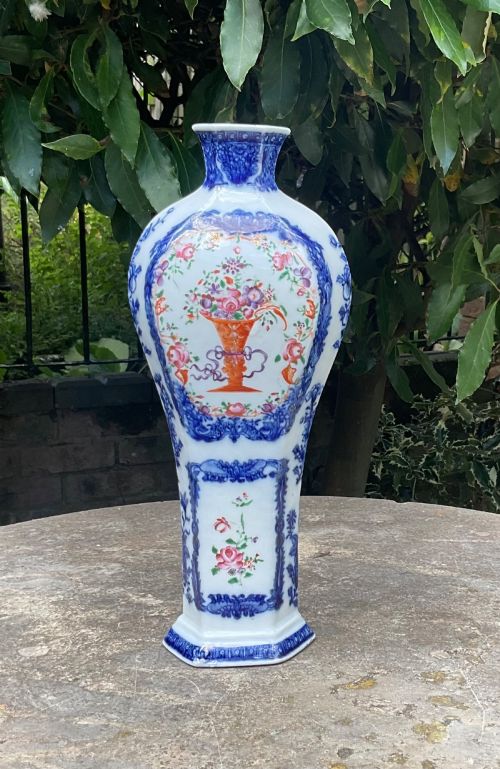
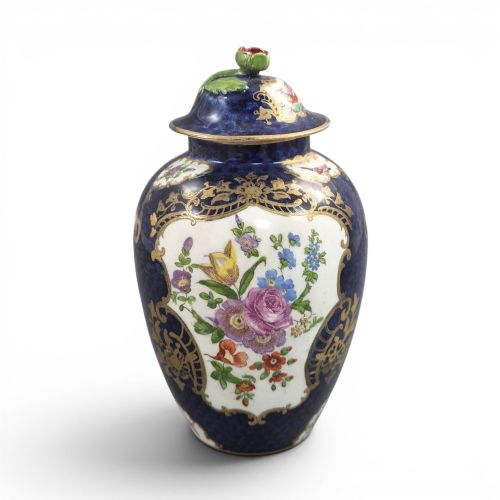
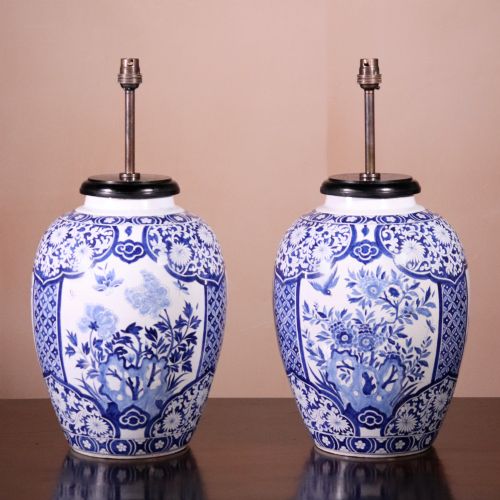
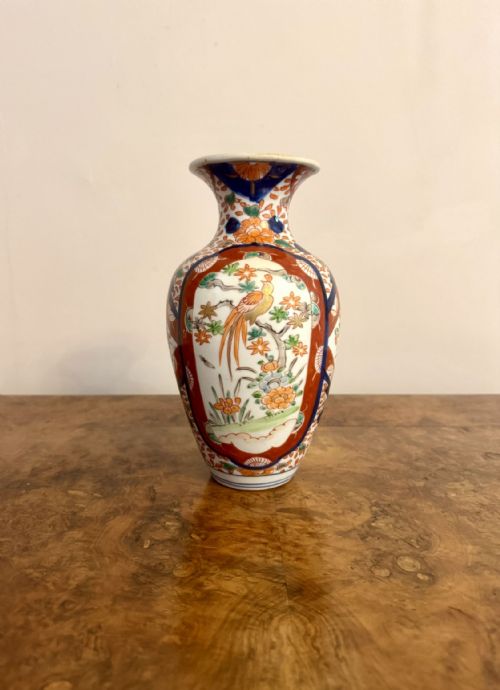
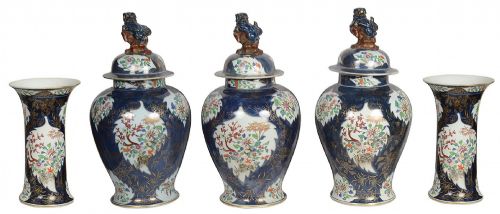
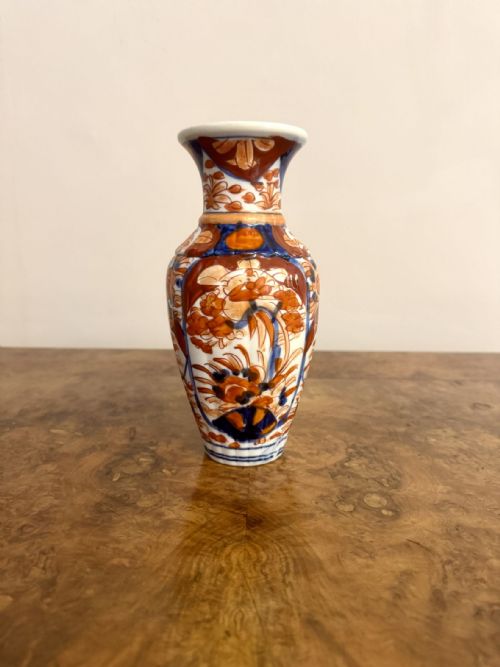
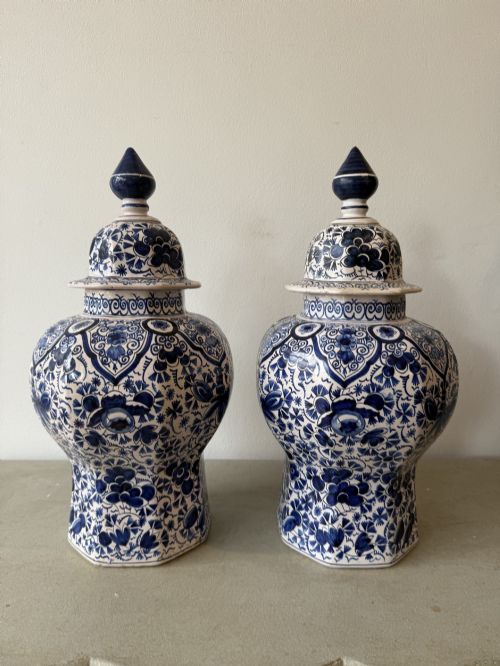
When you search for blue floral jars, you encounter a diverse range of vessels spanning the eighteenth, nineteenth, and early twentieth centuries, originating from English, European, and East Asian kilns. These pieces take various functional and decorative forms, including lidded ginger jars, tea canisters, biscuit barrels, table lamps, and baluster vases.
The aesthetic vocabulary encompasses traditional Chinese export designs, Japanese Imari and Satsuma palettes, Delft earthenwares, and English transferware. Many items combine classic cobalt pigments with enamelled flora, floral scrolls, and gilt highlights upon ceramic or porcelain bodies.
How they were made
Potters shaped these vessels using porcelain, ceramic, earthenware, and glass, applying underglaze blue pigments before high-temperature firing. Enamel colours, gold leaf, and surface glazes were frequently added in secondary decorating stages to build rich botanical detail.
Specific forms incorporate metal elements, such as silver plate and brass fittings on biscuit barrels and lamp conversions, demonstrating the integration of mixed media in nineteenth-century workshops.
Blue Floral Jars Retail Price Guide 2026
Typical asking prices for blue floral jars among the pieces listed under this phrase on Sellingantiques today, from the lower quarter to the upper quarter. They describe what is for sale here now, not the wider market.
Listings feature vessels spanning the 18th Century through to the 20th Century, utilising porcelain, earthenware, glass, and brass.
What varies in quality
The distinction between standard commercial output and superior work lies in the crispness of the underglaze painting and the precision of the hand-applied enamel and gilding. Finer pieces demonstrate careful control over the cobalt blue tones, avoiding muddy bleeding into the surrounding glaze.
The weight, symmetry, and throwing of the ceramic body itself dictate the structural integrity of the vessel, with master workshops achieving thinner, more balanced walls on large Imari and porcelain jars.
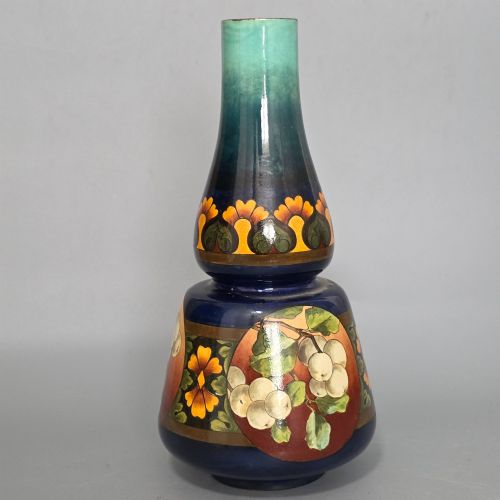
Doulton Lambeth Intarsio Faience·Booths Silicon China·Samuel Alcock·Carlton Ware
The Blue Floral Jars Glossary
- Imari
- A traditional Japanese style of porcelain decorated in underglaze blue, iron red, and gold, named after the port from which these goods were shipped. This aesthetic heavily influenced European ceramic production.
- Famille rose
- A Chinese ceramic palette characterised by opaque pink enamels introduced during the Qing dynasty, often combined with blue floral motifs. It represents a significant technique in export porcelain.
- Biscuit barrel
- A covered ceramic or glass jar designed for storing dry biscuits at the Victorian table, frequently fitted with metal mounts and lids. These items combine practical domestic use with decorative surface painting.
- Underglaze blue
- A method of decoration where cobalt pigment is applied directly to the raw ceramic body before glazing and firing. This technique protects the blue floral pattern beneath a glossy vitreous layer.
- Garniture
- A set of three or more matching vases and jars designed to be displayed together on a mantelpiece or cabinet. These matching groups display consistent decorative themes.
Blue Floral Jars: Frequently Asked Questions
How do I date a blue floral jar?
Dating relies upon examining the ceramic body, base marks, glazing characteristics, and stylistic traits associated with specific periods like the nineteenth century or the Meiji era. Subtle variations in cobalt blue shades and enamel application help establish the chronological context.
Familiarity with regional manufacturing techniques, such as English transfer printing or Japanese Arita throwing methods, further refines the age of each individual vessel.
Were these jars used for food storage?
Many examples, particularly tea canisters and biscuit barrels, served functional roles in period dining rooms and kitchens for holding dry goods. Lidded jars and ginger items originally preserved spices or tea leaves before entering the decorative market.
Over time, numerous lidded jars transitioned purely into decorative display objects or were later adapted into table lamps with electrical fittings.
How should I clean my ceramic jar?
Dusting gently with a soft, dry cloth is the safest routine maintenance for antique porcelain, earthenware, and glass jars. Avoid harsh chemical cleaners or abrasive scourers that can damage delicate gold leaf and surface enamels.
If washing is strictly necessary, use tepid water with mild soap, ensuring the piece is dried thoroughly afterwards, particularly around any metal mounts or silver plate.
Can I display these jars in bright sunlight?
Placing ceramic and glass vessels in direct, prolonged sunlight can cause certain enamel colours to fade over many years. Enamelled floral details and gilt highlights are particularly sensitive to ultraviolet exposure.
Positioning pieces away from intense south-facing windows preserves the vibrancy of the underglaze blue and secondary surface decorations.