



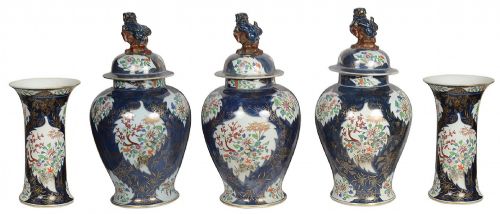

Blue Floral Ceramic Jar
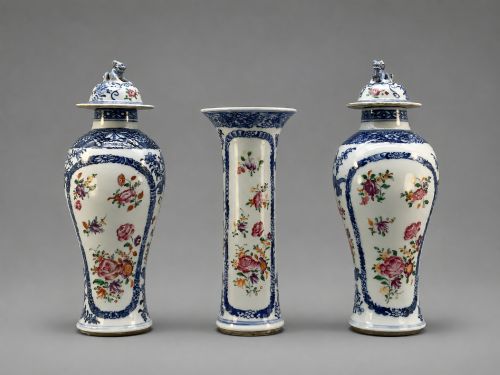
A blue floral ceramic jar brings hand-painted cobalt and iron-red plant motifs into a room, offering both storage and display.
Blue Floral Ceramic Jar
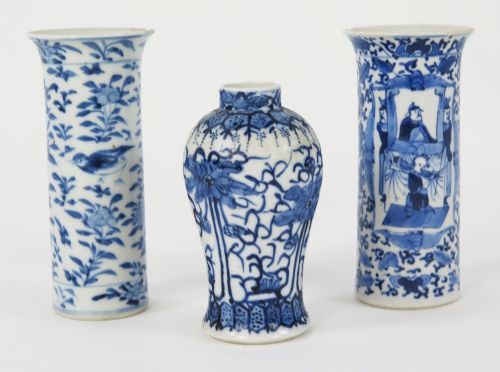
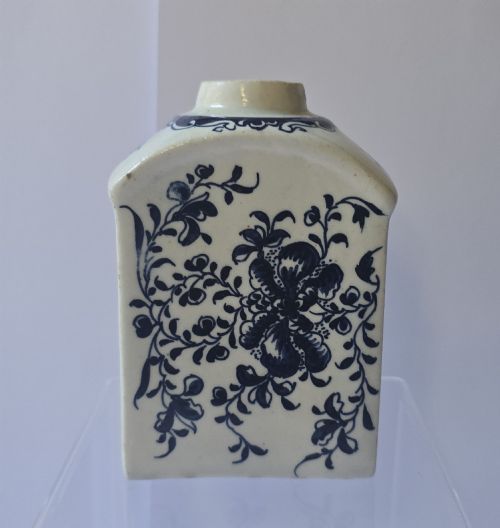
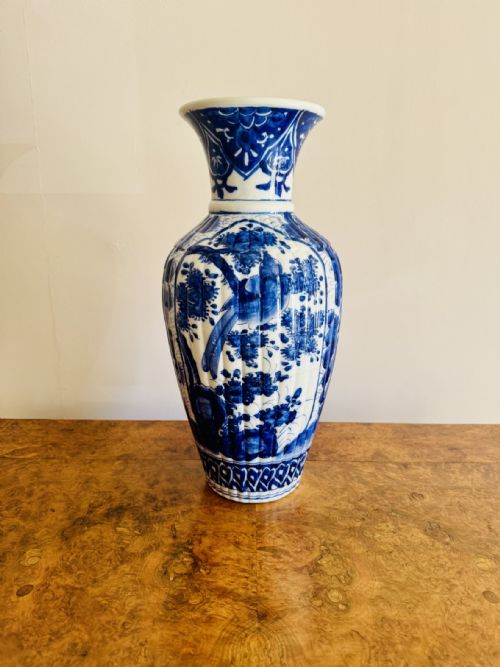
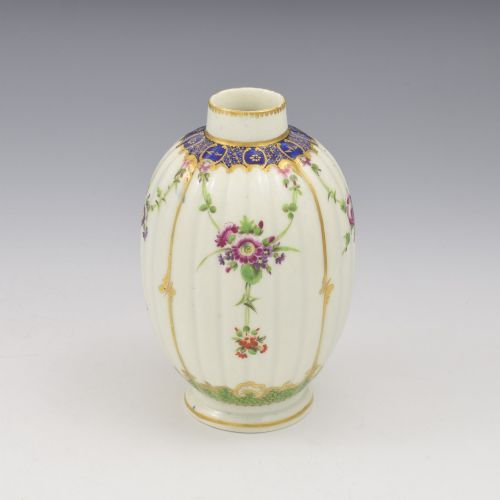
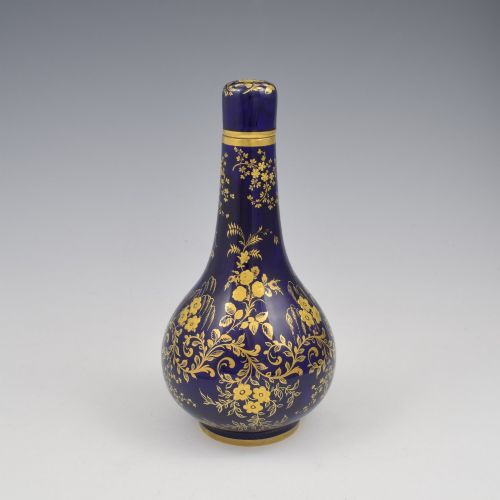
When searching for a blue floral ceramic jar, buyers encounter containers made for display, table lamps, tea storage, and biscuit service. These vessels span origins from English factories to Japanese kilns and Chinese export workshops, crossing several centuries of domestic use.
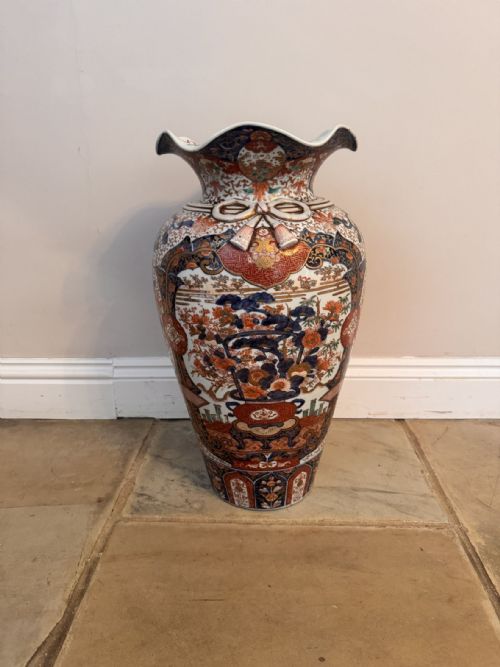
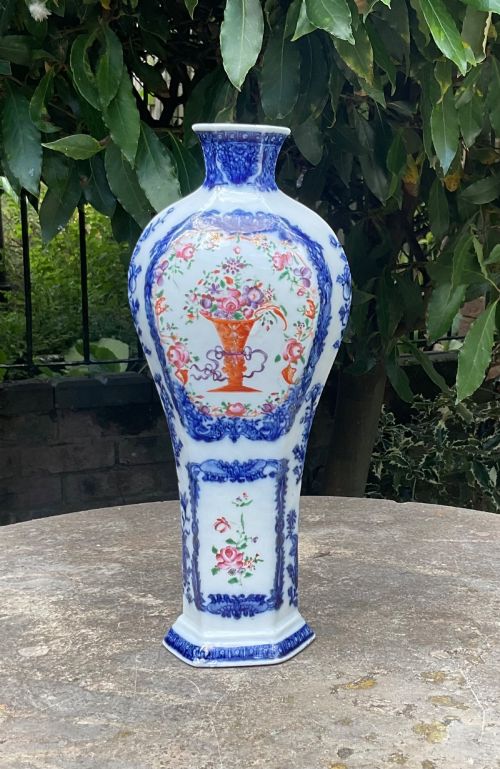
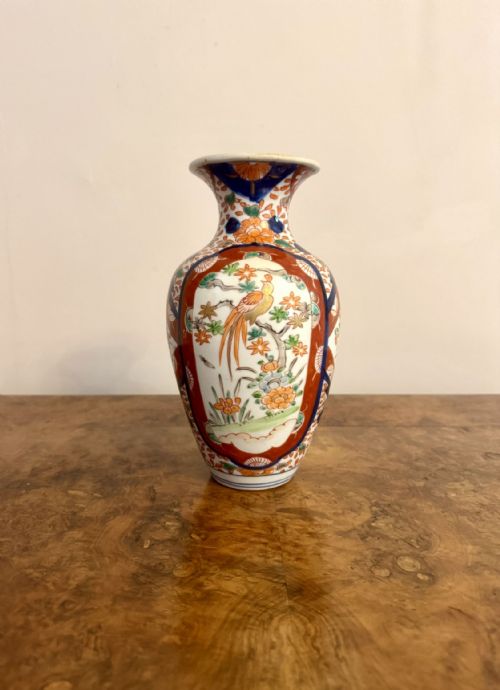
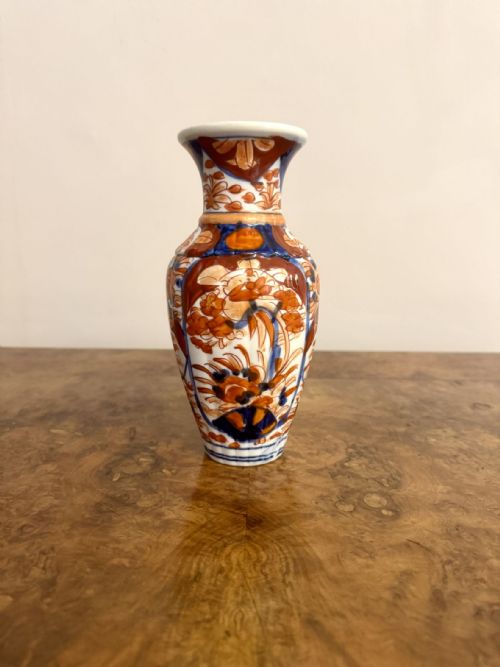
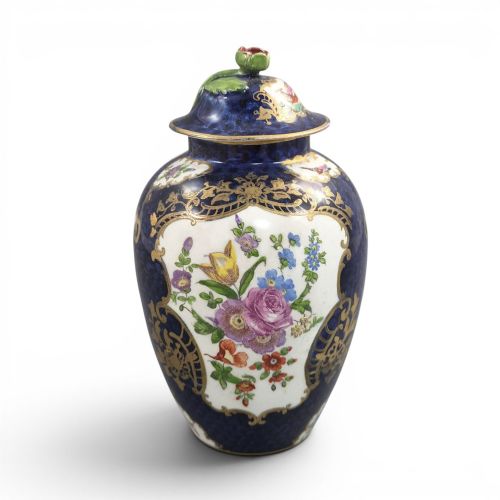
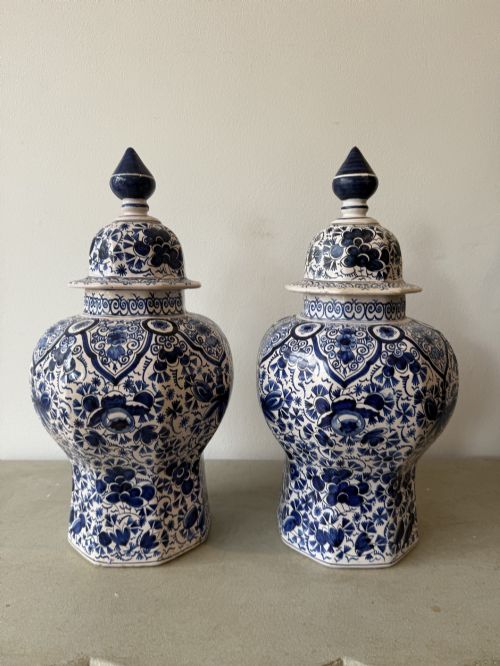
The most common examples on this page are Japanese Imari porcelain jars and English earthenware or porcelain containers decorated in blue and white. These pieces take forms such as ginger jars, lidded baluster vases, and tea canisters intended to sit upon tables or sideboards.
What varies in quality
The standard of painting determines much of the distinction between ordinary and exceptional pieces, marked by deliberate brushwork and precise line execution. Control over the cobalt pigment during the firing process prevents blurred edges and muddy tonal shifts.
Thickness of body, crispness of moulded relief, and the richness of accompanying gilt or enamel highlights separate standard production items from studio or factory masterpieces. Preservation of the glazed surface over centuries also separates high-grade survivals from heavily worn examples.
Blue Floral Ceramic Jar Retail Price Guide 2026
Typical asking prices for blue floral ceramic jar among the pieces listed under this phrase on Sellingantiques today, from the lower quarter to the upper quarter. They describe what is for sale here now, not the wider market.
Some nineteenth-century tea canisters were built with double lids to keep fragrant leaves fresh while hiding gossip from the servants.
Doulton Lambeth Intarsio Faience·Booths Silicon China·Samuel Alcock·Kinkozan·Carlton Ware·Losol
The Blue Floral Ceramic Jar Glossary
- Imari
- A style of Japanese export porcelain featuring underglaze blue and overglaze iron red, often combined with gold leaf. This aesthetic originated in Arita and became popular across European interiors.
- Biscuit barrel
- A ceramic jar with a fitted cover used originally for serving dry biscuits at the dining table. These vessels frequently feature metal mounts and hinged handles.
- Underglaze blue
- A decorative technique where cobalt pigment is applied directly to the raw clay body before glazing and firing. This method locks the colour permanently beneath a glassy surface.
- Famille rose
- A palette of opaque enamel colours dominated by pink, introduced to Chinese ceramics during the Qing dynasty. Floral motifs rendered in this style appear on various export vases.
- Baluster vase
- A vessel with a rounded body that tapers toward the base and swells outward before rising to a narrower neck. This form provides a stable display shape for floral painting.
Blue Floral Ceramic Jar: Frequently Asked Questions
What is a ginger jar?
A ginger jar is a wide-shouldered container originally built to transport spices and herbs across trade routes. Over time, European and Asian potteries adopted the rounded form specifically for ornamental display.
Today these lidded vessels sit on side tables and mantelpieces as decorative accents. Their broad surfaces suit intricate floral patterns executed in cobalt blue.
How do I date a blue and white jar?
Dating relies on examining the clay body, the tone of the blue pigment, and any factory marks stamped or painted underneath. Stylistic traits such as floral arrangements and potting thickness also point to specific manufacturing decades.
Comparing the glaze texture and foot rim construction against known factory standards helps confirm the era. Unmarked pieces require careful observation of decorative techniques to estimate their age.
Were these jars used for food?
Many examples, including tea canisters and biscuit barrels, held dry provisions in nineteenth-century households. Other vessels served strictly decorative purposes as mantel ornaments or floor-standing vases.
Fitted lids helped keep stored contents fresh away from household moisture. Over time, functional kitchenware often transitioned into pure display items.
How do I clean an antique ceramic jar?
Maintenance requires gentle dusting with a soft, dry cloth to protect fragile overglaze enamels and gold leaf highlights. Avoiding harsh chemical cleaners prevents damage to the aged glaze surface.
Water washing should remain minimal and cautious, particularly if metal mounts or unglazed areas are present. Keeping pieces away from direct sunlight preserves the vibrancy of the painted floral pigments.