




Blue Floral Canvas
Blue floral canvas works bring botanical colour and impressionist brushwork directly into your rooms.
Blue Floral Canvas
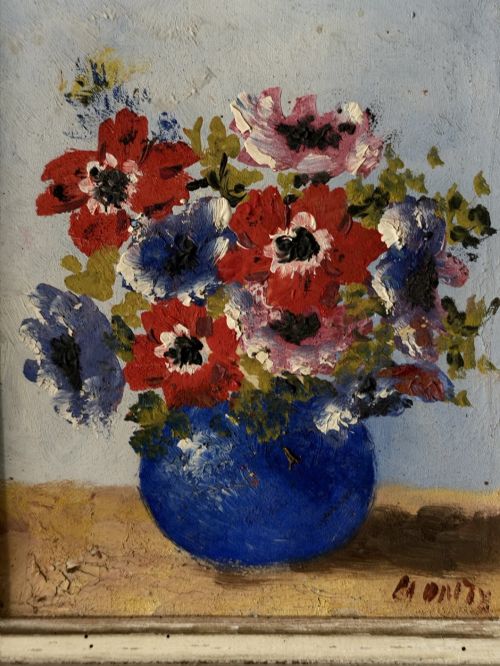
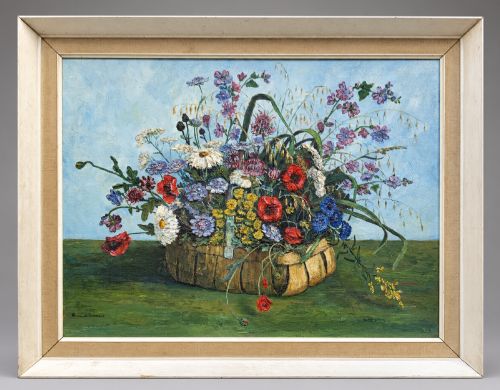
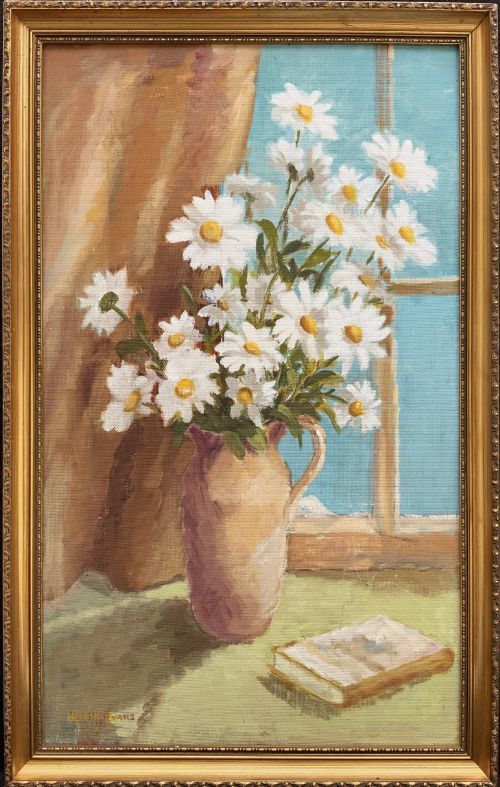
When you search for blue floral canvas, you are looking at oil paintings on stretched fabric depicting botanical subjects where blue tones predominate. The works span from the eighteenth century through the Victorian era and into the mid-century modern period, capturing everything from wild flowers in baskets to water lilies.
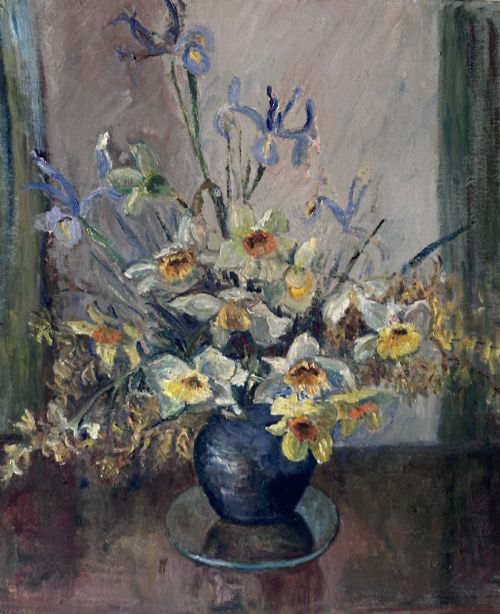
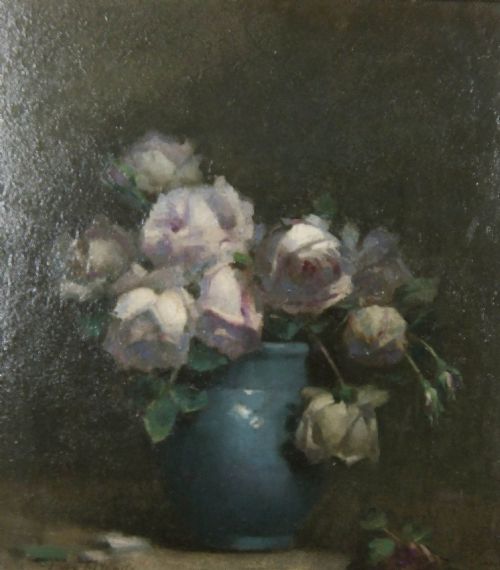
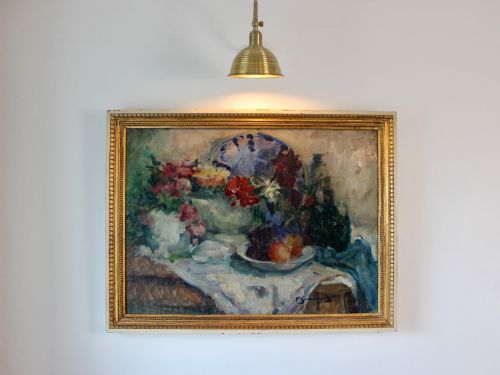
You are most likely to encounter mid-century impressionist still lifes and post-war studies on this page. These pieces showcase diverse interpretations of floral arrangements, framed in gilt wood or presented as decorative wall panels.
The selection ranges from British impressionism and art deco compositions to french impressionist garden scenes. Each painting records a specific moment in botanical art history through oil paint and tempera on canvas or linen.
Materials and construction methods
These works rely on oil paint applied to canvas or linen supports, often stretched over wooden frames. Artists built up texture using varied brush techniques, from impressionist strokes to pointillist dots.
Many paintings retain their original gilt wood frames, which complement the canvas panels. The eighteenth-century French panels demonstrate hand-painted techniques on prepared surfaces before the later adoption of standard canvas supports.
Blue Floral Canvas Retail Price Guide 2026
Typical asking prices for blue floral canvas among the pieces listed under this phrase on Sellingantiques today, from the lower quarter to the upper quarter. They describe what is for sale here now, not the wider market.
The listings span from eighteenth-century French panels to mid-century impressionist canvases.
Judging the quality of the work
Quality rests upon the confidence of the brushwork and the harmony of the palette. Superior examples demonstrate a careful balance of light and shadow, particularly in luminist and impressionist treatments of floral interiors.
The strength of the composition and the preservation of the canvas and frame determine the piece's standing. Finer works display accomplished handling of paint application, whereas simpler decorative panels rely more strictly on their subject matter.
William Thomas Wood·Victor Simonin·Owen Bowen·Stuart Armfield·Margaret Evangeline Wilson
The Blue Floral Canvas Glossary
- Canvas
- A heavy woven fabric used as a surface for oil painting. It is typically stretched tightly over a wooden frame before the artist begins.
- Impressionism
- A nineteenth and twentieth-century painting style focusing on accurate depiction of light and ordinary subject matter. Brushstrokes are visible and compositions often feature open views.
- Still life
- A work of art depicting mostly inanimate subject matter, typically commonplace objects. Floral arrangements form a major category within this tradition.
- Gilt wood frame
- A wooden picture surround coated with gold leaf or gold-coloured finish. These frames enhance the visual weight of the paintings they enclose.
- Pointillism
- A technique of painting in which small, distinct dots of colour are applied in patterns to form an image. This method relies on the viewer's eye to optically blend the pigments.
Blue Floral Canvas: Frequently Asked Questions
What periods do these paintings come from?
The selection includes works from the eighteenth century, the Victorian period, and twentieth-century movements like art deco and mid-century modernism.
Most pieces date from the nineteen-thirties through to the nineteen-sixties, reflecting mid-century impressionist styles.
How should I hang a canvas painting?
Ensure the wall can support the weight of the frame and use appropriate fixings suited to your wall type. Keep oil paintings away from direct sunlight and damp environments to protect the canvas and pigment.
Position the work at eye level where adequate lighting can reveal the texture of the brushwork.
What is a still life painting?
A still life is a work depicting stationary objects, most commonly everyday items or natural specimens like flowers, fruit, and vessels.
Artists arrange these elements to study form, colour, and light within a controlled composition.
How do I identify impressionist works?
Impressionist paintings feature visible brushstrokes, open compositions, and an emphasis on the accurate depiction of light. The focus rests on capturing an immediate visual impression of a scene rather than precise photographic detail.
Subjects often include gardens, interiors, and botanical studies.