
Blue Floral Area Rug
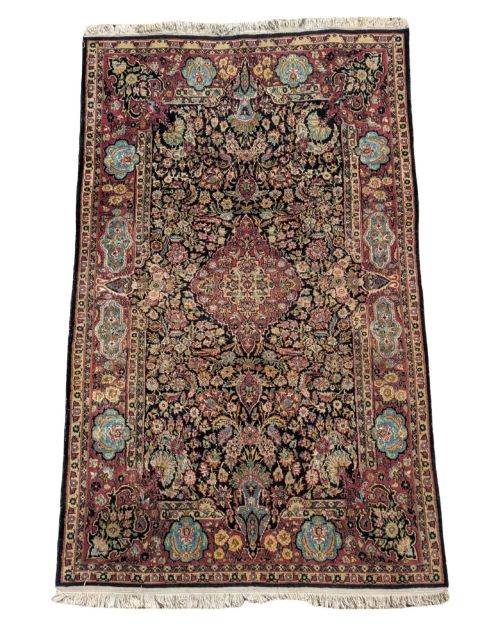
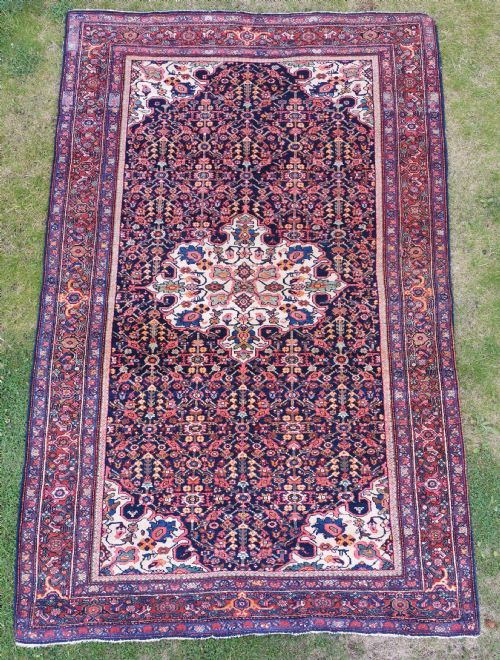
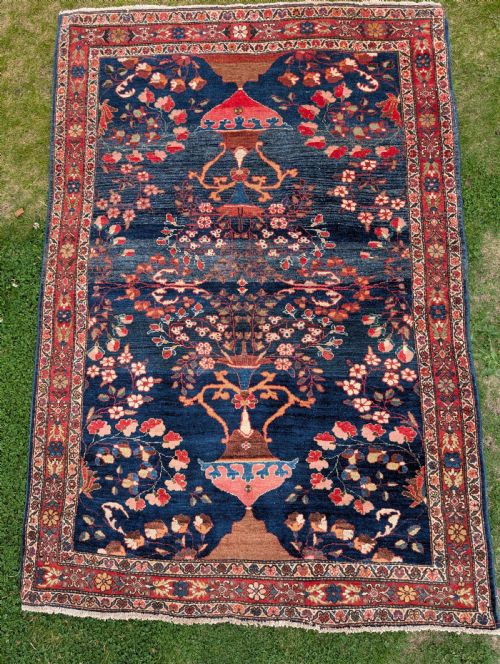
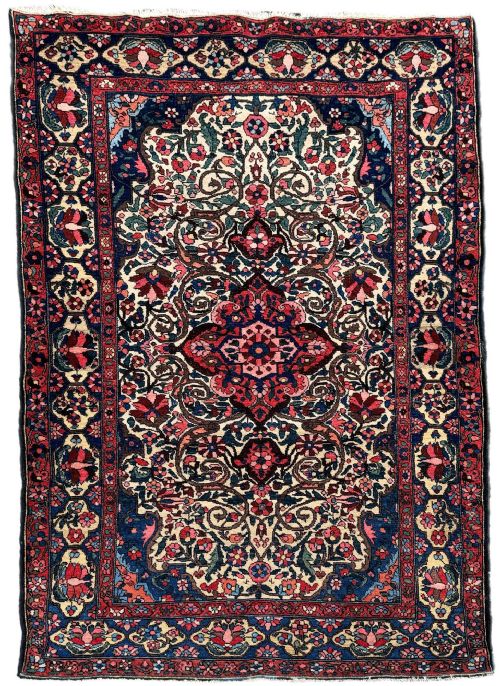
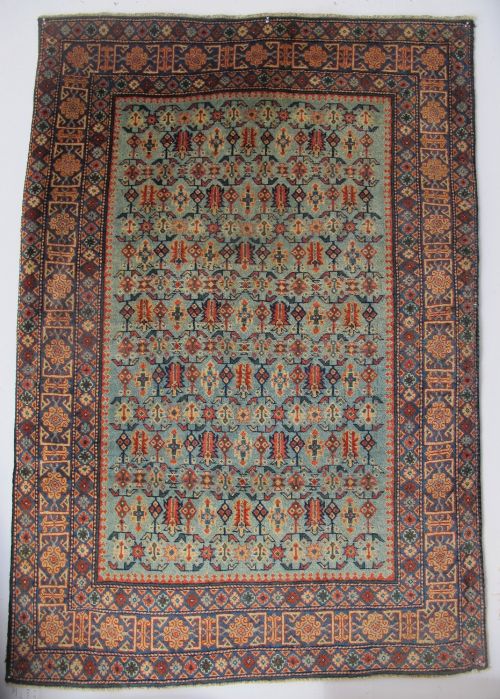
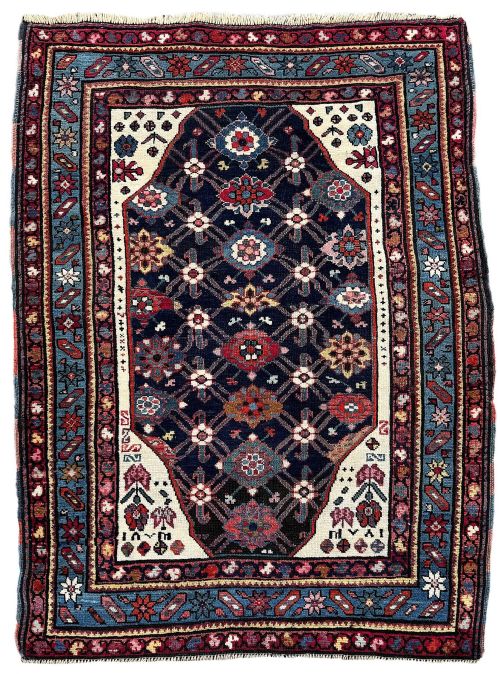
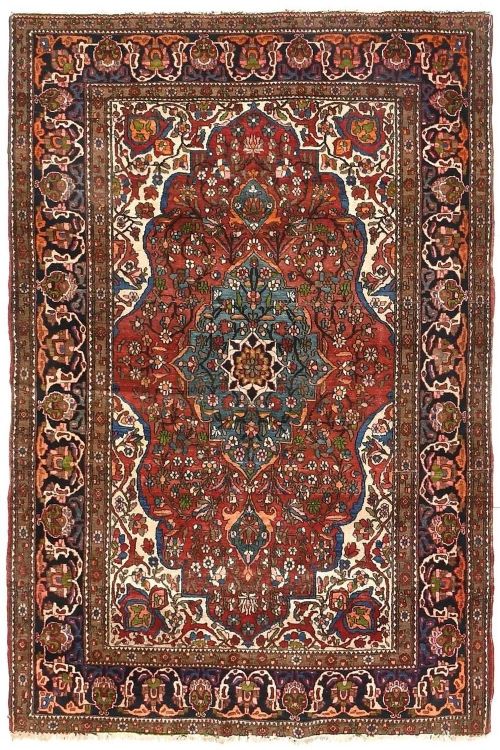
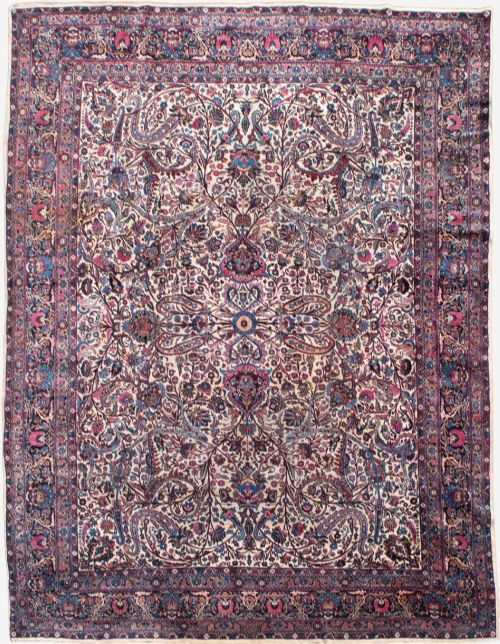
A blue floral area rug anchors a room with botanical motifs woven through traditional Persian and Caucasian weaving traditions.
Blue Floral Area Rug
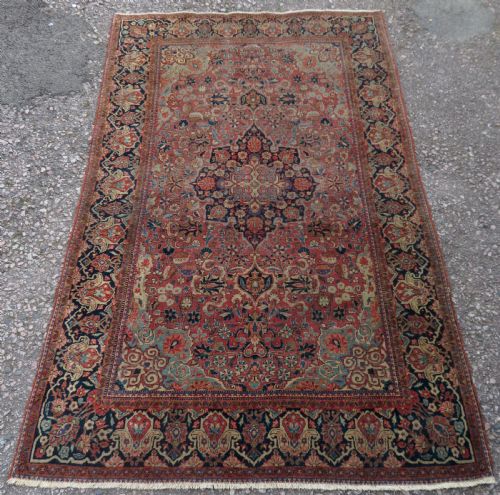
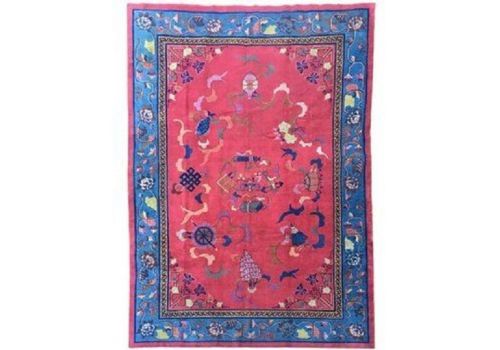
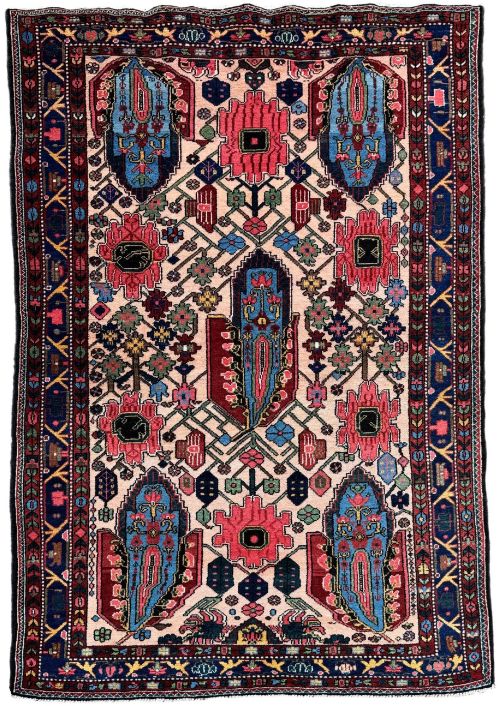
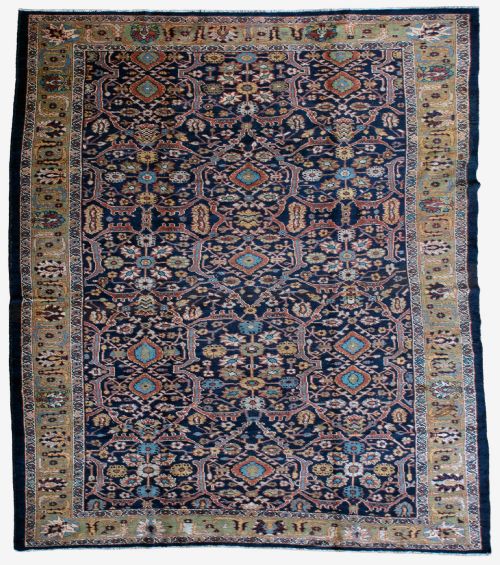
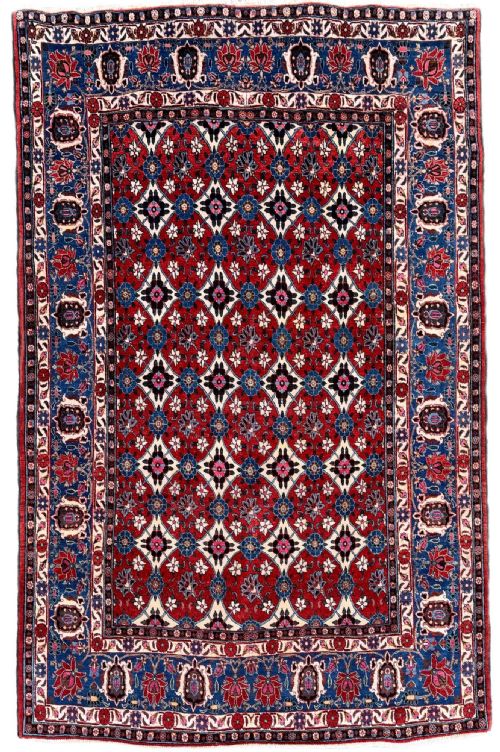
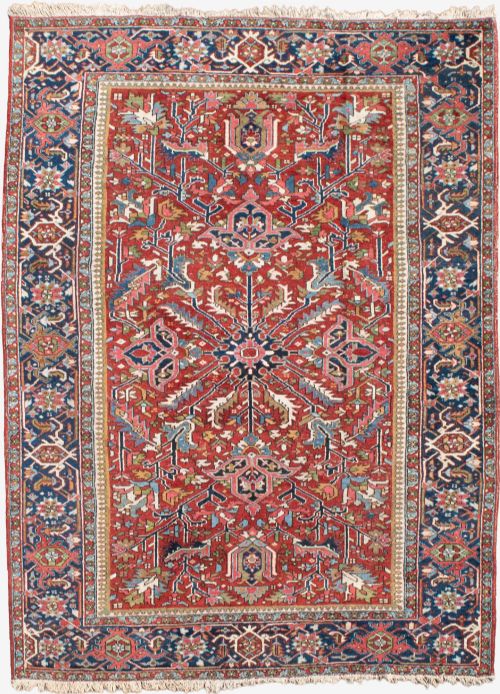
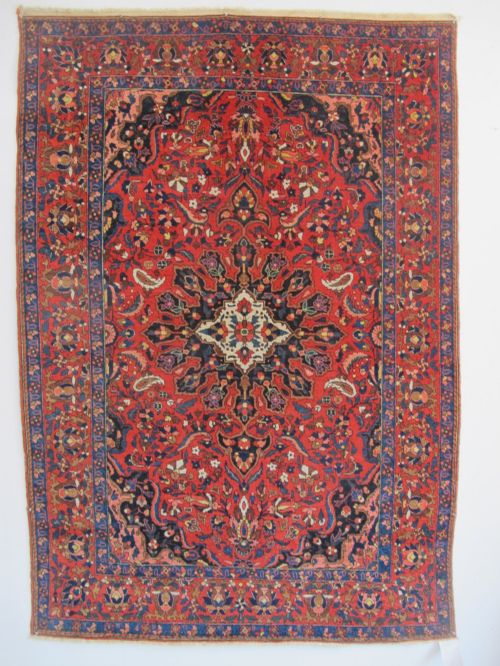
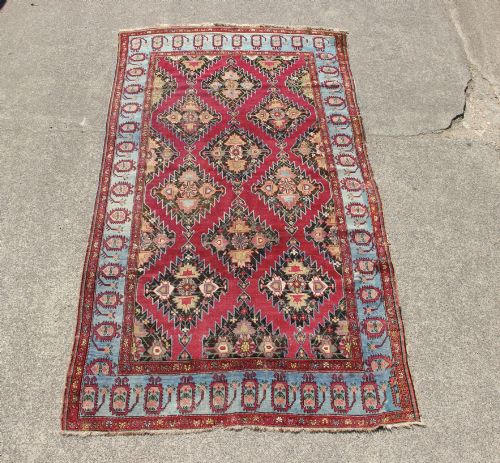
Every blue floral area rug brings together traditional designs originating from Persian and Caucasian workshops, spanning the late nineteenth and early twentieth centuries. These floor coverings range from compact scatter formats to room-sized carpets measuring several metres across.
The selections encountered here include specific regional weaving types such as Heriz, Kashan, Bakhtiar, and Tabriz. Each piece displays distinct floral medallions, vines, and sprays rendered primarily in indigo and lighter blue tones against contrasting fields.
Materials and construction methods
Weavers utilised natural wool, cotton foundations, and occasional silk highlights to build these resilient textiles. Wool forms the dense pile, while cotton provides sturdy warp and weft threads for structural stability.
Hand-knotted techniques dominate the construction across these regional workshops, supplemented by specific examples employing chain stitch methods. Natural dyes create the depth of colour seen throughout the floral patterns.
Certain Kashan carpets conceal tiny animal figures amid sprawling floral vines, rewarding close inspection with unexpected discoveries.
Defining factors of quality
Knot density and the precision of the floral drawing govern the standard of execution in each carpet. Tighter knots allow for sharper definition within intricate botanical borders and central medallions.
The balance of the natural dye palette and the integrity of the wool foundation determine the longevity and tactile feel of the pile underfoot.
The Blue Floral Area Rug Glossary
- Medallion
- A symmetrical central ornament placed in the middle of the rug field. This design element often anchors the surrounding floral motifs.
- Warp
- The vertical threads stretched tightly on the loom before knotting begins. Cotton serves as the standard material for this foundational grid.
- Weft
- The horizontal threads passed across the warp after each row of knots is secured. It binds the structure together firmly.
- Pile
- The vertical tufts of wool or silk that form the usable surface of the rug. Its height varies according to regional workshop traditions.
Blue Floral Area Rug: Frequently Asked Questions
How do I clean an antique rug?
Professional dusting and gentle washing by specialists familiar with natural dyes preserve the fibres safely.
Avoid aggressive chemical treatments or soaking that might weaken the cotton foundation.
Where were these rugs made?
The majority originate from traditional weaving centres across Persia, including Tabriz, Heriz, Kashan, and Kirman.
Selected examples also stem from Caucasian and Indian workshops influenced by Persian aesthetics.
What materials are used?
Natural wool constitutes the thick pile, supported by sturdy cotton warps and wefts.
Some refined examples incorporate silk highlights to accentuate specific floral details.
How do I date a carpet?
Examination of the knot structure, dye palette, and regional design traits points toward specific decades.
Comparative analysis with documented workshop production helps narrow the period of manufacture.