

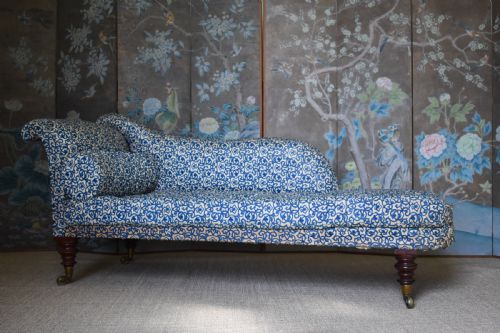


Blue Fabric Chair
A blue fabric chair brings lasting comfort and period character to a room, ranging from mahogany frames to upholstered armchairs.
Blue Fabric Chair
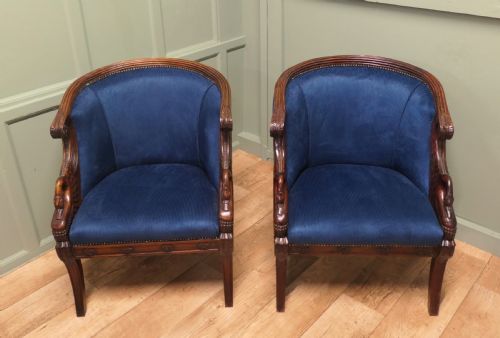
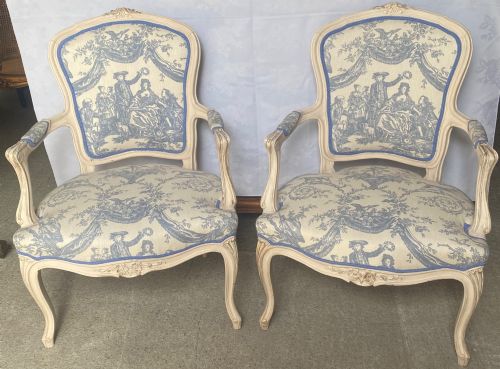
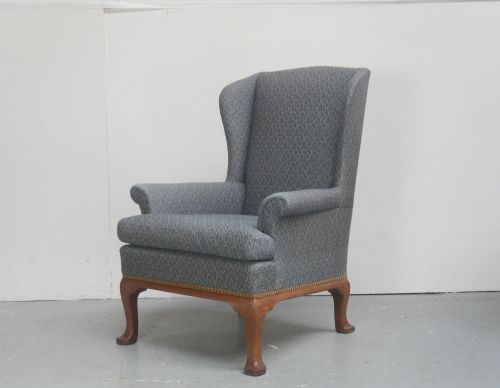
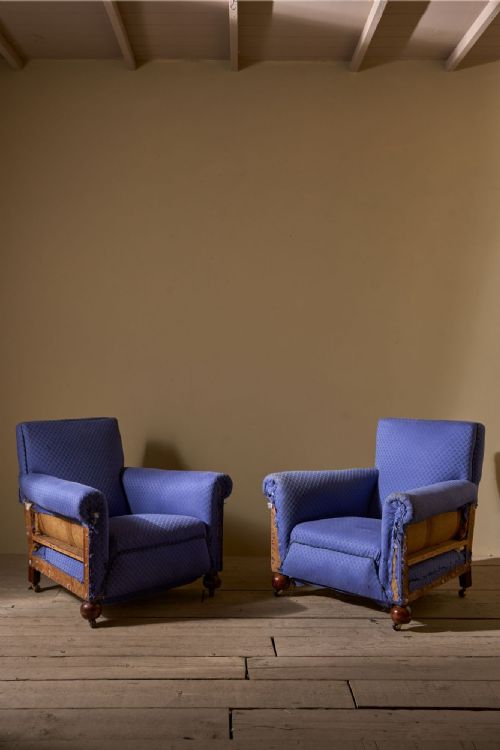
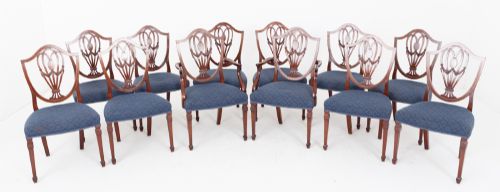
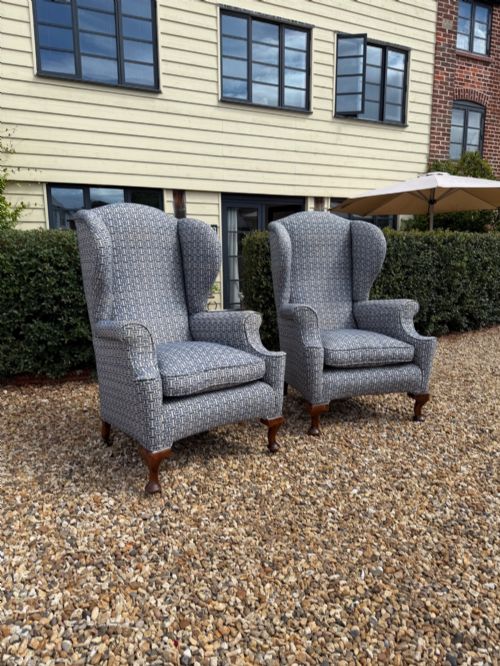
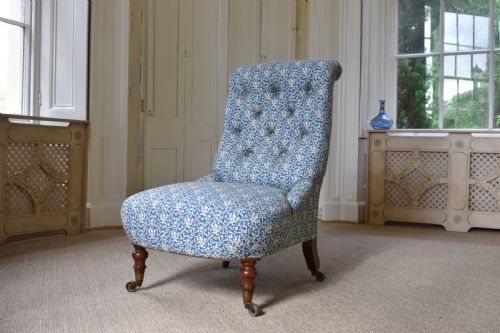
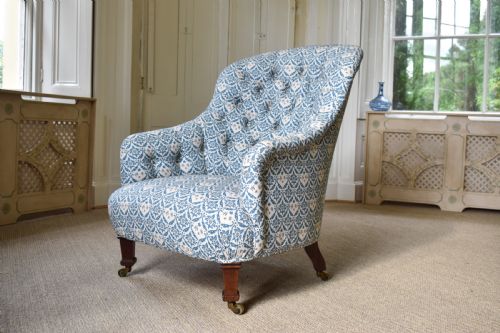
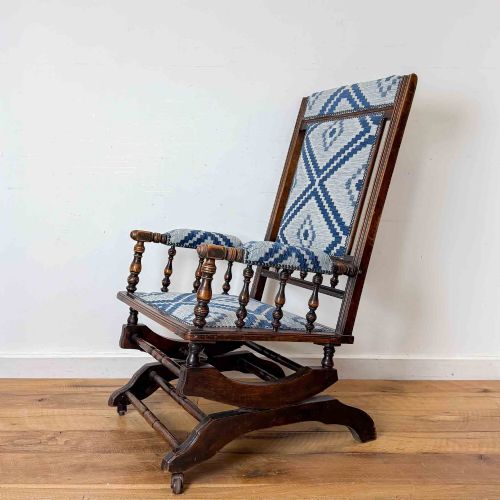
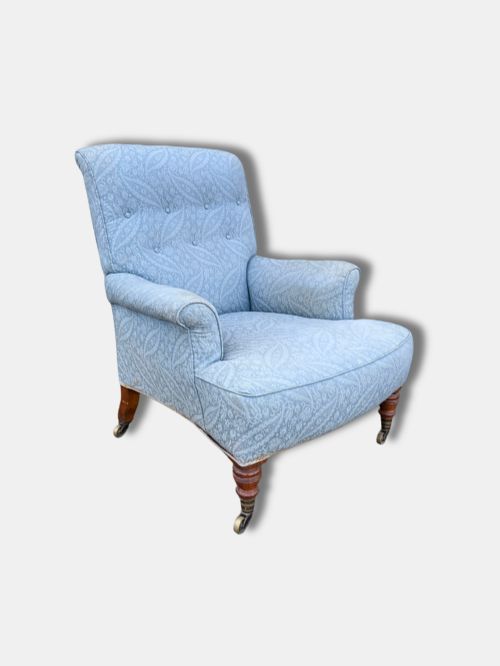
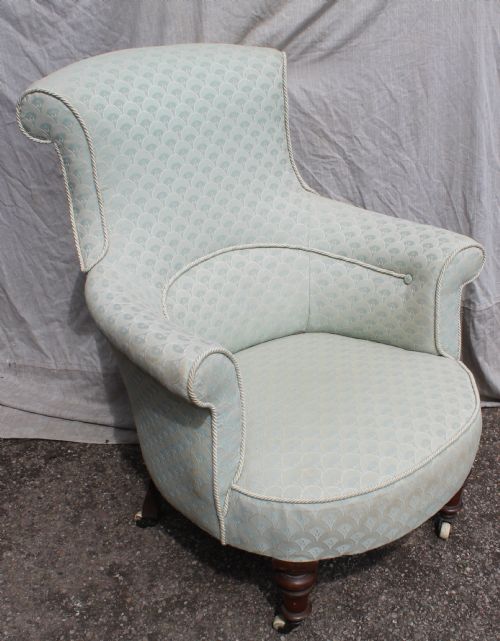
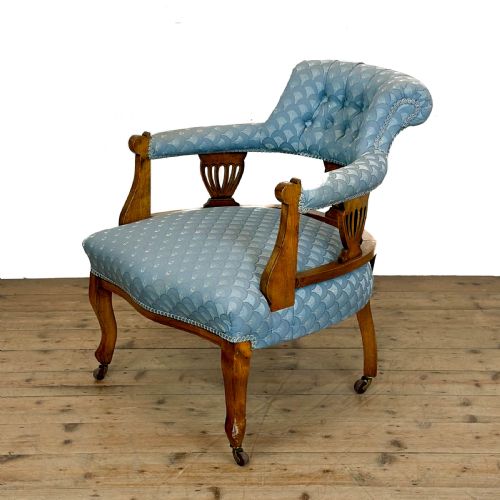
A blue fabric chair encompasses diverse seating forms like armchairs, dining chairs, chaise longues, and tub chairs spanning the nineteenth century, Edwardian era, and the 1920s. Buyers searching for a blue fabric chair will most frequently encounter nineteenth-century armchairs and Victorian seating upholstered in various textiles.
The selection includes specific regional and stylistic variations such as Scottish armchairs, French salon chairs, and Art Deco club chairs. These pieces integrate historical frameworks with upholstered surfaces designed for practical seating.
Period variations span from George III mahogany Gainsborough chairs through Victorian button-backed fireside chairs to 1930s club seating. Each form reflects the domestic requirements and stylistic preferences of its respective decade.
Materials and construction
Frames are constructed from hardwoods such as mahogany, walnut, and oak, providing structural integrity for upholstered seating. Joinery techniques and carved wooden details, including scroll arms and carved walnut elements, support the textile bodies.
Upholstery relies on traditional textiles like cotton, silk, damask, and specialised upholstery fabric layered over springs and stuffing. Brass components frequently appear on castors and structural fixings associated with these chairs.
Blue Fabric Chair Retail Price Guide 2026
Typical asking prices for blue fabric chair among the pieces listed under this phrase on Sellingantiques today, from the lower quarter to the upper quarter. They describe what is for sale here now, not the wider market.
Listings feature wood types including mahogany, walnut, and oak paired with fabrics like cotton, silk, and damask across nineteenth and twentieth-century periods.
Distinctions in craftsmanship
The standard of a blue fabric chair depends on the integrity of the underlying hardwood frame and the fidelity of its period upholstery technique. Maker attribution, particularly pieces associated with established workshops, distinguishes standard production from notable examples.
Execution of carved details on mahogany, walnut, or oak elements separates utilitarian seating from refined salon and library chairs. The preservation of original ticking fabric or period-appropriate textile selection adds historical weight to individual pieces.
Howard and Sons·Whytock and Reid·Thomas Chippendale
The Blue Fabric Chair Glossary
- Armchair
- A chair with supports for the arms, encompassing forms from nineteenth-century library chairs to Art Deco club chairs.
- Chaise Longue
- An upholstered long chair designed for reclining, combining a chair structure with an extended seat.
- Button Back
- An upholstery style where depressions are formed in the padding by buttons pulled tight and secured to the frame.
- Mahogany
- A durable tropical hardwood utilised extensively for chair frames throughout the eighteenth and nineteenth centuries.
- Upholstery Fabric
- Textile material applied over padding, springs, and webbing to cover the structural elements of a seat.
Blue Fabric Chair: Frequently Asked Questions
What periods do these blue chairs represent?
The listings span from the eighteenth century through the Victorian and Edwardian eras up to the 1930s. They capture stylistic shifts from Georgian mahogany to Art Deco club seating.
Victorian and late nineteenth-century pieces form a substantial portion of the available selection, alongside Edwardian designs and 1920s club chairs.
How do I identify a Howard and Sons chair?
Howard and Sons chairs are often identified by specific maker's marks, stamps on the castors, or traditional structural designs like the Bridgewater, Willoughby, or Ingleby models.
These pieces typically date from the nineteenth century and feature deep-seated upholstery paired with robust internal frames.
Where were these chairs placed originally?
Depending on the form, these seats served varied domestic functions in libraries, drawing rooms, bedrooms, and dining spaces. Salon chairs and chaise longues furnished formal reception areas.
Library chairs, desk chairs, and fireside armchairs were built for daily utility and comfort in private rooms.
Are these chairs upholstered in original fabrics?
Some pieces retain original textiles, such as historic ticking fabric or period damask and silk designs. Other examples have undergone professional reupholstery in contemporary stripes or complementary fabrics.
Listings specify whether the upholstery is original to the period or represents a later renewal.