






Blue Enamel Bowl
A blue enamel bowl brings rich colour and enduring craftsmanship to a tabletop, spanning centuries of Asian, European and domestic metalwork.
Blue Enamel Bowl
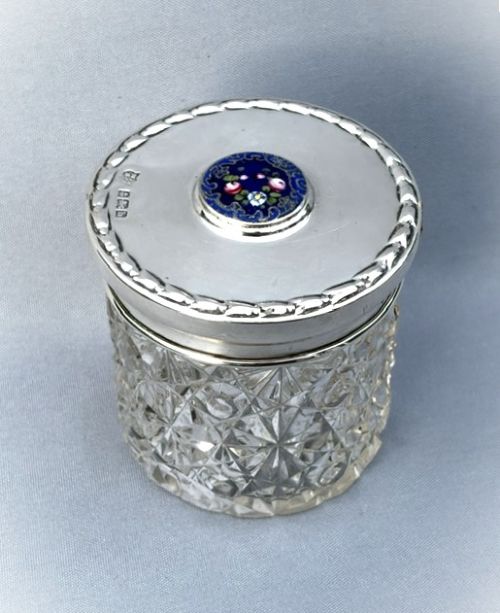
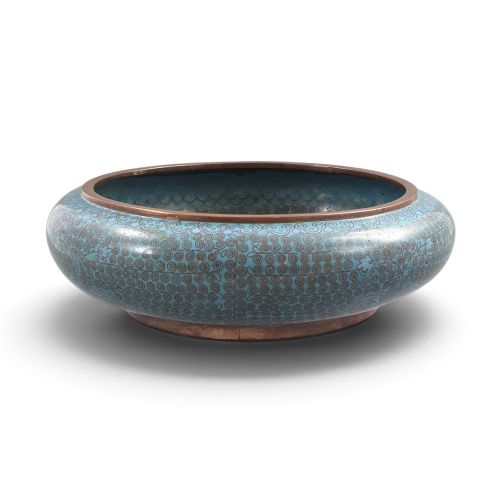
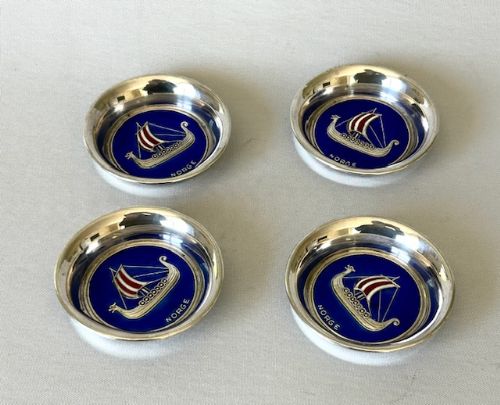
A blue enamel bowl encompasses a diverse range of vessels designed for display, storage or service, uniting vibrant vitreous glass coatings with sturdy metal, glass or ceramic substrates. When searching for this phrase, buyers encounter everything from large Japanese dragon chargers and Chinese cloisonné scholar's brush washers to delicate Edwardian sterling silver vanity jars and Georgian glassware.
The pieces on this page draw heavily from nineteenth-century Japanese Meiji production, Qing dynasty Chinese works, and European decorative arts spanning the eighteenth to the mid-twentieth century. Forms vary widely from shallow Imari scallop-edge basins and pedestal tazzas to lidded trinket pots and heavy bronze centrepieces.
Domestic British and continental European examples frequently pair cut glass or sterling silver with guilloché enamel lids, while Asian pieces showcase intricate cloisonné and champlevé techniques on copper and bronze bases. Each variant offers a distinct tactile experience, dictated by the firing methods and aesthetic traditions of its origin.
Materials and Technique
Makers fused powdered glass to metal bases through intense kiln firing, creating vitreous enamel surfaces that range from opaque turquoise to deep cobalt shades. Asian pieces typically rely on copper or bronze frames with soldered wire partitions to contain the coloured pastes, while European dressing table items combine sterling silver and ormolu mounts with translucent guilloché work.
Porcelain and glass vessels achieve their blue tones through cobalt pigments under the glaze, frequently complemented by hand-painted overglaze motifs or contrasting metal rims. Cut glass jars and Bristol blue glass bodies add another dimension, merging heavy glass-blowing practices with applied silver and enamel lids.
Blue Enamel Bowl Retail Price Guide 2026
Typical asking prices for blue enamel bowl among the pieces listed under this phrase on Sellingantiques today, from the lower quarter to the upper quarter. They describe what is for sale here now, not the wider market.
Materials represented include sterling silver, cut glass, porcelain, copper, brass, gilt bronze and onyx alongside traditional vitreous enamels.
Evaluating Quality and Execution
The finesse of the metalwork and the clarity of the vitreous coating separate standard production pieces from exceptional examples. Fine Japanese cloisonné displays micro-thin copper wires and perfectly smooth, polished enamel fields free from pitting or cloudiness.
Substantial weight in bronze or silver mounts, crisp hand-painted motifs on porcelain, and intact original gilding or ormolu indicate superior craftsmanship. The precision of the fit between lidded jars and their sterling silver mounts further marks the standard of the workshop.
The Blue Enamel Bowl Glossary
- Cloisonné
- A metalwork technique where thin flat wires are soldered to a base to form compartments filled with enamel paste before firing. This method creates intricate cellular patterns across bowls and chargers.
- Champlevé
- An enamelling process in which troughs or cells are carved directly into the thick metal surface to hold the coloured glass paste. It produces deeper, bolder designs than wire-formed cloisonné.
- Guilloché
- A decorative mechanical engraving technique that etches precise geometric patterns into metal underneath translucent enamel. It is commonly found on twentieth-century vanity jars and silver lids.
- Imari
- A style of Japanese porcelain featuring underglaze blue and contrasting iron-red and gold details. These pieces were widely exported to Europe from the seventeenth century onward.
- Tazza
- An ornamental pedestal bowl or shallow cup raised upon a central foot. These elevated vessels were traditionally used for serving sweetmeats or displaying fruit.
- Orlumu
- Gilded bronze used widely for decorative mounts and decorative framing on nineteenth-century European vessels and trays. It provides a rich golden contrast to dark blue enamel fields.
Blue Enamel Bowl: Frequently Asked Questions
How do I clean an antique enamel bowl?
Clean enamel surfaces gently with a soft, damp cloth and dry them immediately to protect vulnerable metal mounts. Avoid harsh chemical cleaners or submersion in water, particularly on pieces with exposed silver or gilt bronze.
Older pieces often feature delicate soldered wires or thin applied gilding that can loosen with rough handling. Routine dusting with a dry microfiber cloth is generally sufficient for regular maintenance.
Were these bowls used for food or display?
Function varied entirely by the origin and form of the individual vessel. Large chargers, tazzas and centrepieces served decorative display purposes in formal rooms, while tea bowls and punch bowls held consumable provisions.
Smaller lidded pots and vanity jars were strictly functional dressing table accessories used to store pins, cosmetics or small trinkets. Examining the interior wear and depth of a vessel usually reveals its original domestic role.
What is Bristol blue glass?
Bristol blue glass is a distinct deep cobalt glass produced in the English port city during the late eighteenth and nineteenth centuries. It was frequently blown into dressing table jars, cream jugs and finger bowls, then accented with hand-painted enamel or gilt decoration.
Genuine pieces carry a rich, dark tone that absorbs light differently than modern pressed glass. They were prized for both their striking colour and durability on dressing tables.