



Blue Dragon Bowl
A blue dragon bowl brings together powerful mythical imagery and meticulous craftsmanship, making it a striking centrepiece for any room.
Blue Dragon Bowl
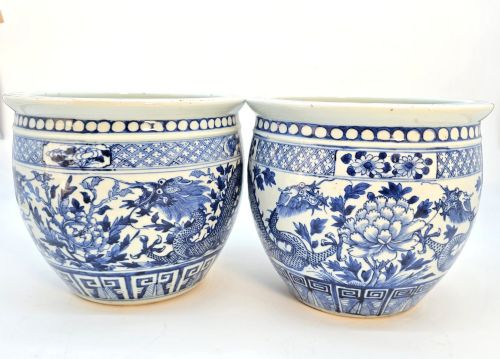
A blue dragon bowl encompasses a variety of decorative vessels featuring dragon motifs, ranging from traditional Chinese porcelain to Japanese cloisonne enamel and English bone china interpretations. The versions you are most likely to encounter here span from the eighteenth century through to the early twentieth century, including pieces from the Edwardian period and the Meiji period.
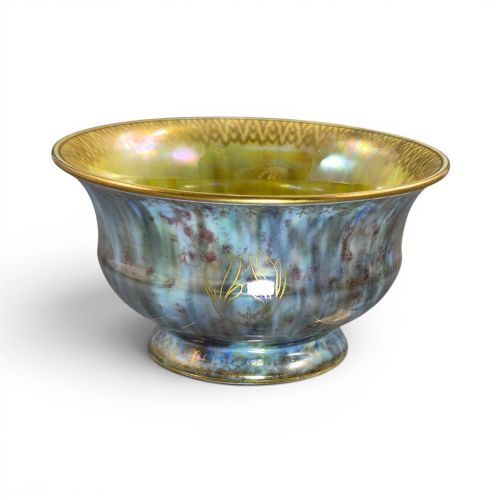
The forms extend beyond standard table bowls to include large jardiniere pots, octagonal bowls, decorative chargers, miniature cups, and silver-rimmed ashtrays. These pieces reflect diverse cultural aesthetics, embracing styles such as Art Deco, Art Nouveau, and classical Qing Dynasty designs alongside Japanese Arita and Imari traditions.
When searching for a blue dragon bowl, collectors often discover a fascinating crossover between Eastern imperial designs and Western artistic revivals. Each object captures the mythical creature in different ways, whether coiled around an octagonal rim or rendered in detailed enamel across a charger.
Materials and production techniques
The construction of these pieces relies heavily on fine porcelain, bone china, and metal foundations such as copper and silver. Artisans applied cobalt glaze, enamel, lustre glaze, and gold leaf to create the vibrant surfaces characteristic of these dragon vessels.
Techniques varied widely by region and era, combining hand-painted cobalt blue underglazes with complex doucai enamel overlays. Japanese pieces utilise intricate cloisonne enamel work, while English iterations demonstrate specialised lustre glazing methods.
Blue Dragon Bowl Retail Price Guide 2026
Typical asking prices for blue dragon bowl among the pieces listed under this phrase on Sellingantiques today, from the lower quarter to the upper quarter. They describe what is for sale here now, not the wider market.
Listings feature items spanning multiple centuries, incorporating periods such as the Qing Dynasty, Edwardian era, and Meiji period.
Distinguishing quality across pieces
Quality in these objects is determined by the precision of the dragon motif and the richness of the glaze or enamel work. Finer examples display meticulous brushwork or perfectly formed wirework in cloisonne, bringing the scales and claws of the creature into sharp relief.
The depth and brilliance of the cobalt blue, alongside the skilful application of gold leaf and lustre finishes, separate ordinary production from superior examples. Signed pieces and those retaining specific historical marks also demonstrate a higher standard of workshop output.
Wedgwood·Daisy Makeig-Jones
The Blue Dragon Bowl Glossary
- Cloisonne enamel
- A metalwork technique where thin metal strips are soldered to a base to form compartments, which are then filled with coloured enamel paste and fired.
- Cobalt glaze
- A deep blue ceramic colourant applied under or over the glaze, highly stable at high temperatures and traditionally used for detailed oriental decoration.
- Doucai
- A Chinese porcelain technique involving a cobalt blue outline under the glaze combined with contrasting enamel colours applied above the glaze and fired a second time.
- Lustre glaze
- A type of ceramic glaze that imparts a metallic sheen or iridescent surface, often achieved through the application of metallic films during firing.
- Jardiniere
- A large ornamental pot or container designed to hold growing plants or flowers, matching the decorative style of smaller tableware.
Blue Dragon Bowl: Frequently Asked Questions
What is a blue dragon bowl?
A blue dragon bowl is a decorative vessel featuring painted, enamelled, or cloisonne depictions of dragons, typically executed in blue tones alongside contrasting hues.
These items range from antique Chinese porcelain pieces to English lustreware and Japanese chargers, serving primarily as decorative display items.
How were these bowls used historically?
Many of these vessels functioned as ornamental display pieces in affluent homes, while larger examples such as jardinieres housed indoor plants.
Smaller forms like miniature cups and ashtrays served specialised display or desktop functions rather than heavy daily use.
How do I care for my bowl?
Keep delicate porcelain and enamel pieces out of direct sunlight to prevent fading of the lustre glazes and gold leaf details.
Dust gently with a soft, dry cloth and avoid harsh cleaning agents or immersion in water, especially for metal-backed or enamelled items.
How can I tell the period?
Dating relies on identifying maker marks, reign marks, and stylistic indicators such as Edwardian lustre techniques or Meiji period cloisonne methods.
Examining the base material, whether bone china, porcelain, or copper, also helps narrow down the era of manufacture.