




Blue Desk Accessory
A blue desk accessory sits on the writing surface as both a practical tool and a decorative object, bringing colour and structure to the study.
Blue Desk Accessory
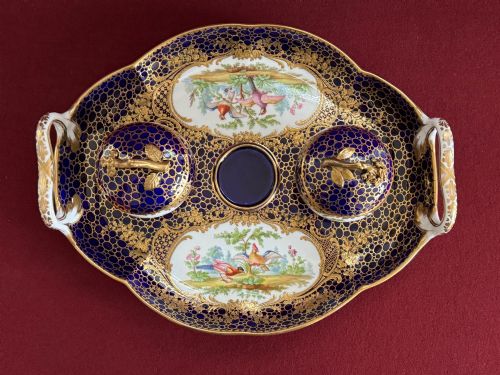
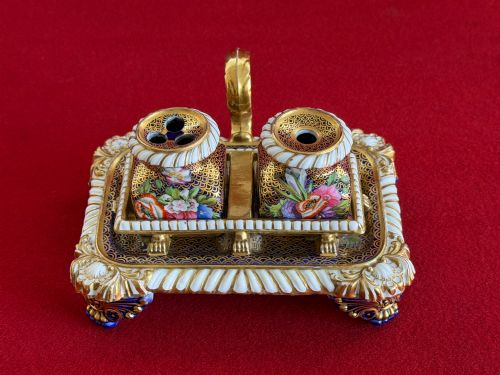
A blue desk accessory encompasses items designed for writing tables and studies, ranging from inkstands and inkwells to paperweights, blotters, and brush pots. These pieces serve both functional and ornamental roles in organising correspondence and writing materials.
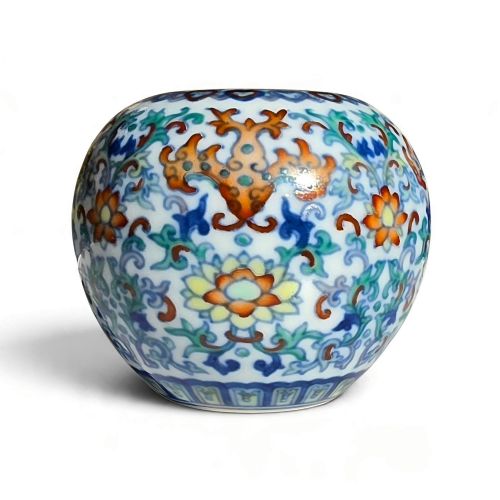
The selections span multiple eras, including Victorian, Regency, Edwardian, and Art Deco periods, drawing on traditions from English potteries, French glassworks, Dutch faience, and Chinese kilns. Porcelain, ceramic, and glass dominate the forms, frequently decorated in blue and white or rich monochrome glazes.
Inkwells and inkstands appear frequently in the selection, often modelled as animal figures like greyhounds or dalmatians alongside classical ceramic shapes. Buyers will also encounter desktop items such as glass rulers, magnifying glasses with guilloche enamel, and decorative tiles.
Materials and methods
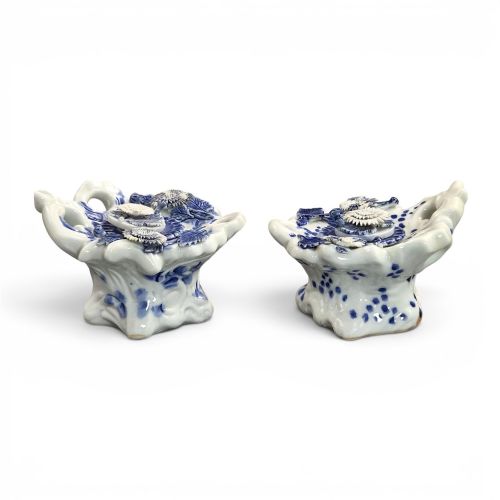
Ceramics and porcelain form the foundation of many pieces, shaped by hand or mould and finished with cobalt blue glazes, hand-painted Chinoiserie scenes, or intricate transfer printing. Earthenware and faience provide sturdy bodies for Staffordshire animal figures and Dutch Delft desktop stands.
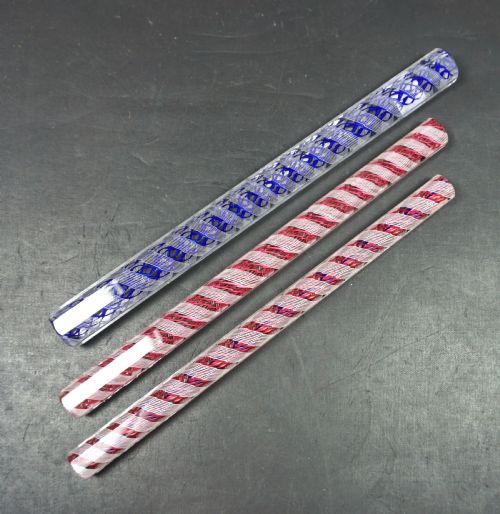
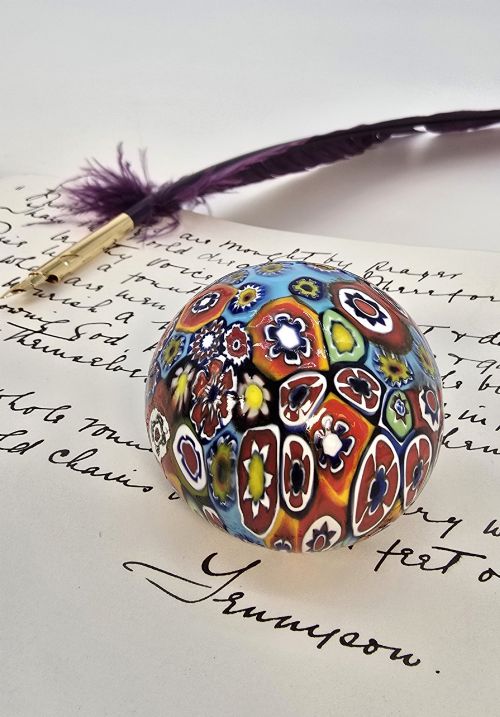
Glassmaking techniques yield heavy crystal pieces, such as facet-cut rulers, alongside moulded art glass and millefiori paperweights. Enamel work combined with silver or brass introduces vibrant colour accents, particularly in guilloche patterns applied to magnifying glasses and boxes.
Blue Desk Accessory Retail Price Guide 2026
Typical asking prices for blue desk accessory among the pieces listed under this phrase on Sellingantiques today, from the lower quarter to the upper quarter. They describe what is for sale here now, not the wider market.
Edwardian desk furniture includes whimsical silver pin cushions shaped precisely like running foxes and vintage motor cars.
Assessing quality
The refinement of the moulding and the clarity of the cobalt painting distinguish finer ceramics from simpler production wares. Crisp details in Staffordshire animal models or finely rendered Chinoiserie landscapes on porcelain indicate skilled craftsmanship.
In glass and metalwork, precision in cutting, the weight of the crystal, and the even application of enamel create a superior object. Well-preserved mounts in brass or silver and intact original components elevate the standing of a desk accessory.
Minton·Spode·Rene Lalique·Broadway and Co·Kralik or Loetz
The Blue Desk Accessory Glossary
- Inkstand
- A portable tray or stand holding inkwells, pen holders, and sometimes a sander or wafer box for writing materials. These desk pieces were central to 18th- and 19th-century correspondence.
- Faience
- Tin-glazed earthenware produced in Europe, particularly associated with French and Dutch workshops. The white glaze provides a smooth surface for hand-painted blue decoration.
- Guilloche
- A decorative engraving technique producing precise, intricate geometric patterns beneath a transparent layer of enamel. This finish often appears on silver desk items from the early twentieth century.
- Millefiori
- A glasswork technique featuring multicoloured glass canes sliced to reveal floral or geometric patterns embedded within a clear matrix. These cross-sections create the decorative surface of paperweights.
- Bitong
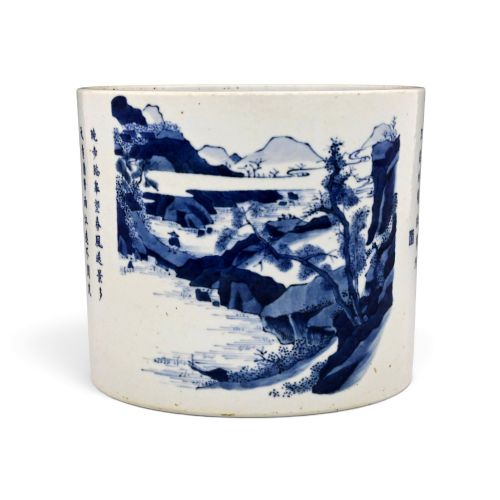
- A cylindrical brush pot used in traditional Chinese scholar's studios for holding writing brushes. These vessels are carved from materials like porcelain, bamboo, or wood.
Blue Desk Accessory: Frequently Asked Questions
What is an inkstand?
An inkstand is a desk tray designed to hold inkwells, quill pens, and other writing implements securely in one place.
These stands kept writing tables organised and protected surfaces from ink spills during letter writing.
How do I date a ceramic inkwell?
Dating relies on stylistic clues, factory marks, and the manufacturing techniques visible on the base or glaze.
Victorian pieces often feature moulded animal figures, while earlier Regency examples showcase neoclassical porcelain forms.
Where were blue and white desk pieces made?
Blue and white desk pieces were produced across European potteries, including Dutch Delft and English factories, as well as Chinese kilns.
European makers frequently drew inspiration from imported Asian porcelain designs during the Chinoiserie revivals.
How should I clean antique glass paperweights?
Antique glass requires gentle cleaning with a soft, lint-free cloth and lukewarm water without harsh chemical detergents.
Avoid soaking items that feature metal mounts or delicate enamel work to protect the structural integrity.