






Blue Delft Platter
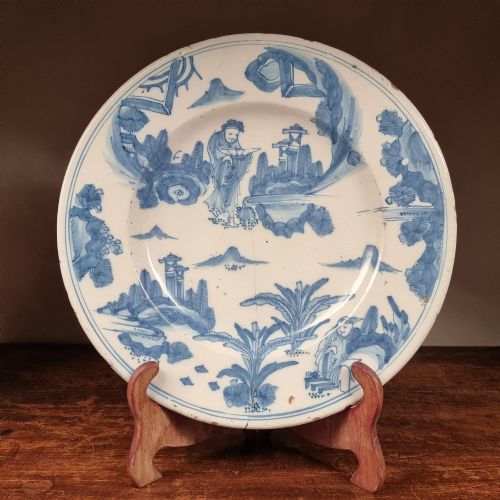
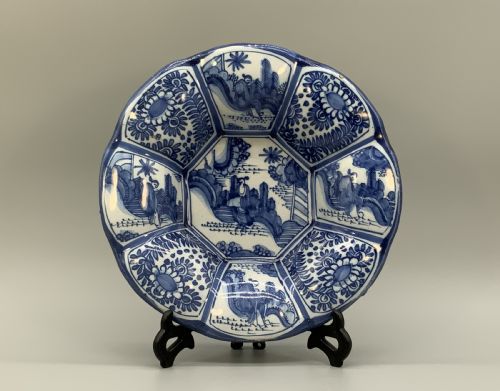
These large earthenware chargers span several centuries of tin-glazed production.
Blue Delft Platter
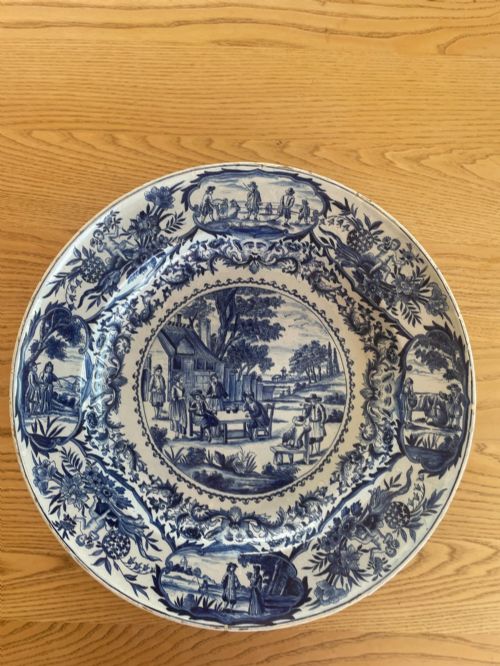
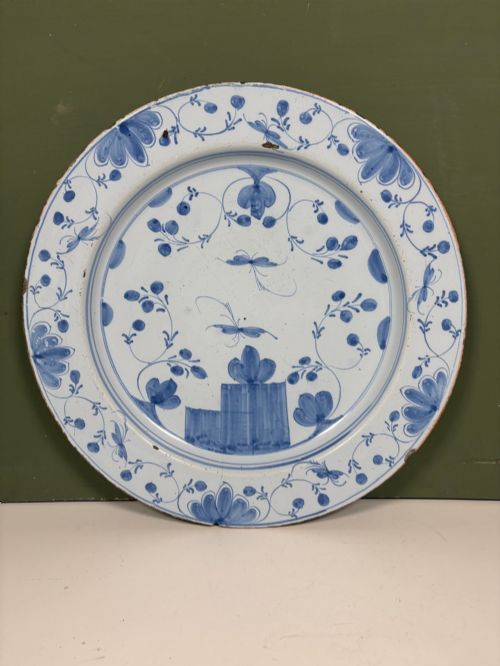
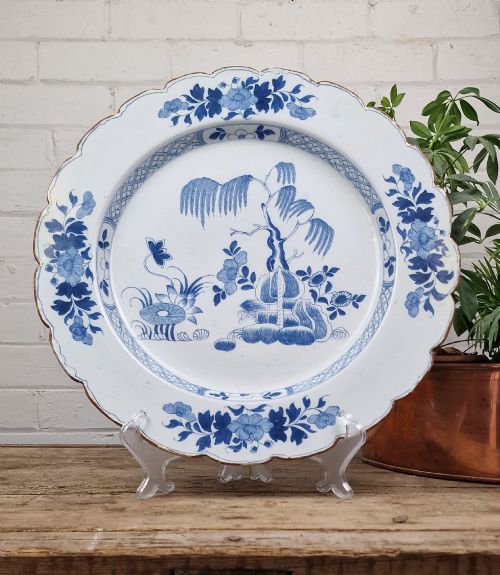
A blue delft platter is a tin-glazed earthenware charger produced primarily for decorative display rather than everyday dining. Buyers seeking this phrase encounter large circular plates and chargers originating from Dutch and English potteries across the seventeenth, eighteenth, and nineteenth centuries.
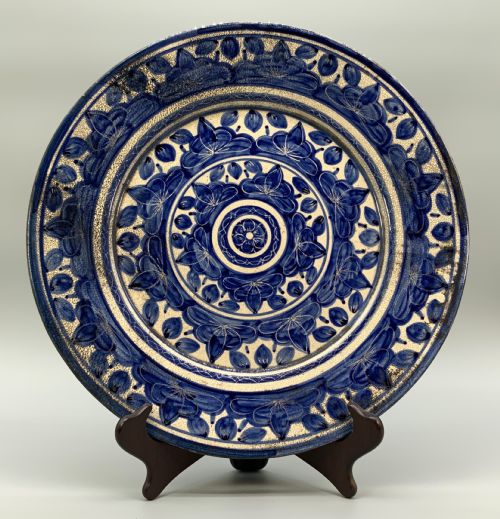
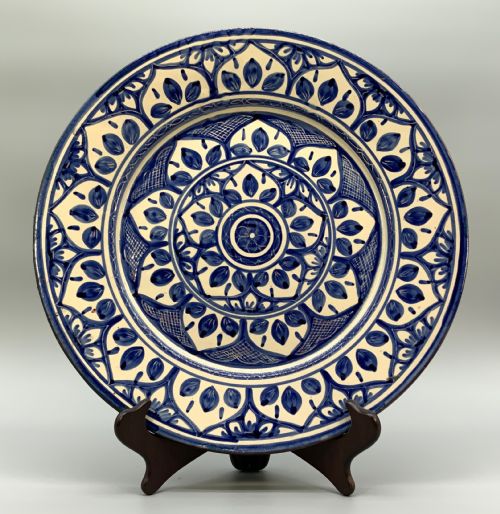
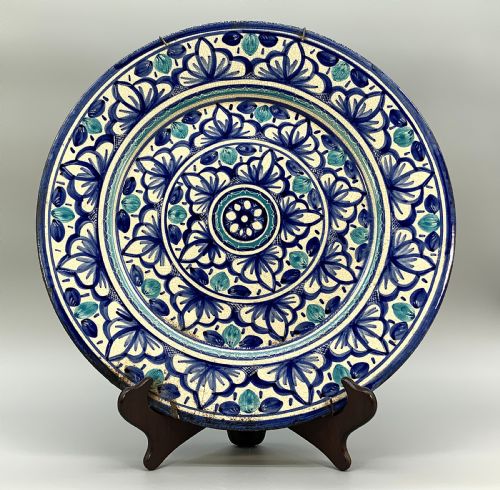
The domestic and continental output ranges from standard eighteenth-century chargers to specialised nineteenth-century revival pieces incorporating Moorish styles and Chinoiserie motifs. The most common forms on this page are substantial wall chargers and decorative plates utilising blue and white tin glaze.
How they were made
Potters shaped earthenware bodies and coated them with an opaque tin glaze that provided a smooth white surface for painting. Artisans applied cobalt pigment directly onto the absorbent unfired glaze before the final kiln firing fixed the design.
The interaction between the cobalt oxide and the tin glaze created the characteristic blue and white coloration seen across Dutch and English workshops. Some pieces incorporate polychrome pigments alongside the cobalt to add varied detail to the painted surface.
Blue Delft Platter Retail Price Guide 2026
Typical asking prices for blue delft platter among the pieces listed under this phrase on Sellingantiques today, from the lower quarter to the upper quarter. They describe what is for sale here now, not the wider market.
Several chargers carry the painted mark of 'De Witte Ster', connecting utilitarian clay to a specific historical Dutch pottery.
What varies in quality
Quality rests upon the crispness of the cobalt painting and the stability of the tin glaze across the broad surface of the charger. Earlier examples display greater fluidity in the brushwork and depth within the blue pigment, while later revival plates show distinct decorative shifts.
The physical preservation of the tin glaze along the vulnerable rim and the overall uniformity of the earthenware body distinguish standard production from exceptional survival pieces. Firing deformations and glaze pooling also contribute to the individual character of each charger.
The Blue Delft Platter Glossary
- Tin-Glazed Earthenware
- Earthenware pottery coated with a white tin oxide glaze that becomes opaque upon firing. This technique formed the primary white surface for decorating Delftware platters.
- Charger
- A large decorative plate traditionally intended for display on a wall or dresser rather than practical table service. These substantial vessels dominate the blue delft platter selection.
- Cobalt Pigment
- Metallic oxide used to achieve the deep blue coloration on tin-glazed ceramic surfaces. The mineral reacts during firing to produce various shades of blue under the glaze.
- Chinoiserie
- European artistic style reflecting Chinese aesthetic influences, frequently adapted on seventeenth and eighteenth-century Delftware dishes. Painters utilised these motifs to decorate large chargers with imaginary landscapes.
Blue Delft Platter: Frequently Asked Questions
How were blue delft platters used historically?
These large chargers served primarily as decorative wall hangings or centerpieces on dressers in prosperous homes. Their scale and blue and white designs made them prominent ornamental objects rather than functional dining plates.
Over centuries, owners displayed them to showcase wealth and taste, often grouping them on walls or plate racks. Their survival in domestic collections reflects this primarily decorative purpose.
How can I tell English delft from Dutch delft?
Distinguishing English delft from Dutch production involves examining the clay body, glaze characteristics, and potting techniques. English bodies often appear slightly coarser, while Dutch workshops frequently achieved a distinct tin glaze finish.
Specific regional potteries in places like Bristol or London developed characteristic palettes and rim treatments. Comparing the blue pigment application helps identify the likely origin workshop.
How do I safely hang a heavy charger?
Displaying a heavy earthenware charger requires a specialised wall bracket or spring-loaded plate hanger that distributes the weight evenly. Avoid adhesive disks or tension wires that put stress on historical ceramic edges.
Ensure the mounting hardware fastens securely into wall studs rather than plaster alone. Regular checks of the hanging mechanism protect the piece from accidental drops.
What caused the craze for Moorish style delft?
Later nineteenth-century revivals drew inspiration from Islamic and Moorish ceramics, blending traditional tin-glazed earthenware with complex geometric patterns. Potteries adapted these exotic designs to appeal to Victorian collectors seeking diverse historical styles.
These pieces combined familiar blue and white delft techniques with distinct Moorish motifs. The resulting chargers offered a heavier, more ornate aesthetic than standard eighteenth-century tableware.