

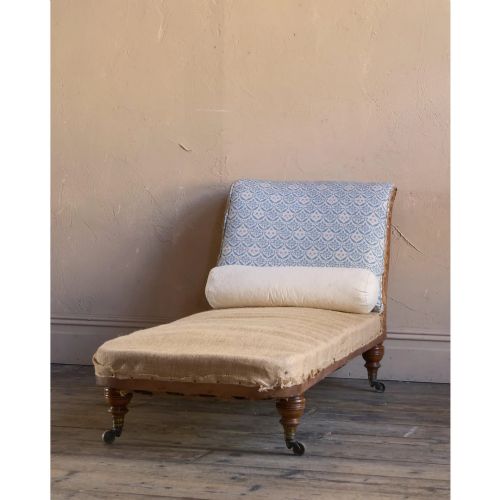
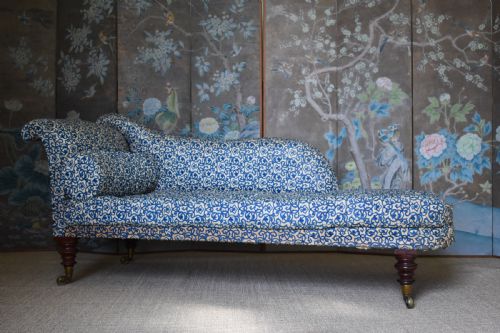


Blue Daybed
A blue daybed offers a restful place to recline during the day, combining comfortable seating with the length of a bed.
Blue Daybed
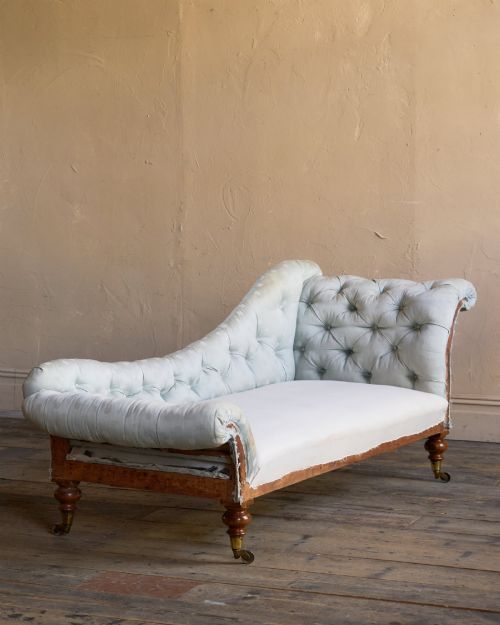
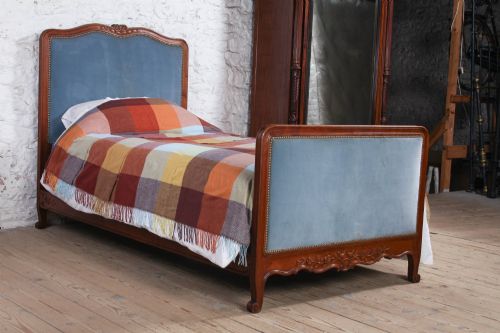
A blue daybed serves as a versatile piece of furniture designed for both lounging and sleeping. When you search for a blue daybed, you will encounter various nineteenth-century forms ranging from French lit bateaux to upholstered chaises longues and Swedish birch sofas.
Construction and Materials
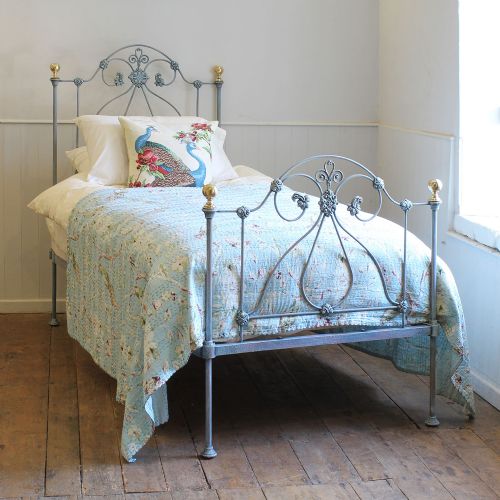
Frames are constructed from solid timbers such as mahogany, birch, hardwood, and wrought iron, occasionally complemented by brass fittings. Turned legs frequently support these structures, sometimes fitted with original castors.
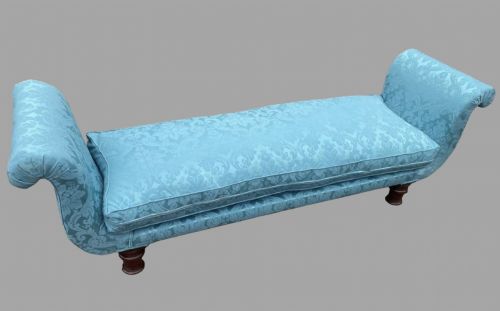
Upholstery relies on traditional textiles like cotton, velvet, and damask to provide the blue surface colour. Caned panels also appear on specific nineteenth-century sofa designs.
Blue Daybed Retail Price Guide 2026
Typical asking prices for blue daybed among the pieces listed under this phrase on Sellingantiques today, from the lower quarter to the upper quarter. They describe what is for sale here now, not the wider market.
Listings for a blue daybed span the nineteenth century, featuring materials such as mahogany, birch, brass, wrought iron, cotton, velvet, and damask.
Assessing Quality and Craftsmanship
The distinction between standard and superior pieces rests upon the precision of the carved woodwork and the integrity of the frame construction. Finer examples exhibit carefully proportioned curves, particularly in French empire and Biedermeier designs.
Originality of components, such as turned legs and castors, elevates a piece. The quality of the textile upholstery and the retention of painted or verdigris finishes further influence the overall character.
Howard and Sons·Miles and Edwards
The Blue Daybed Glossary
- Lit Bateau
- A type of nineteenth-century French bed featuring scrolled head and footboards resembling a boat. This form provides a distinct architectural silhouette in a room.
- Chaise Longue
- An elongated chair designed for reclining, functioning as a hybrid between a sofa and a single bed. Nineteenth-century examples often include scrolled backs and upholstered arms.
- Verdigris
- A green or bluish patina formed on copper, brass, or other metallic surfaces through atmospheric oxidation. This finish appears on specific antique metal bed frames.
- Damask
- A reversible figured fabric traditionally woven on a jacquard loom, utilised for upholstery on period daybeds. The pattern is visible in both positive and negative tones on the surface.
Blue Daybed: Frequently Asked Questions
How do I style a blue daybed?
Place the daybed against a neutral wall to let the blue upholstery and wood frame stand out as a focal point. Add contrasting cushions to create a comfortable spot for reading.
Position it in a study or a spacious bedroom where its dual function as a seat and a bed remains fully accessible.
Are these daybeds comfortable for sleeping?
Most nineteenth-century daybeds and chaise longues are designed primarily for daytime reclining and short rests. The firmness depends on the original webbing and padding structure.
While suitable for occasional overnight use, they differ from modern mattresses in support and length.
How do I distinguish French styles?
French Provincial pieces generally feature softer, curved wooden lines and simpler painted surfaces. In contrast, French Empire designs incorporate bolder architectural shapes like the lit bateau.
Neoclassical pieces lean towards classical symmetry and restrained ornamentation.
What maintenance do antique textiles need?
Protect velvet, cotton, and damask upholstery from direct sunlight to prevent the blue dye from fading. Regular gentle vacuuming with a soft brush attachment removes dust.
Avoid harsh chemical cleaners on antique fabrics and consult a professional textile conservator for deeper cleaning.