





Blue Country Cabinet
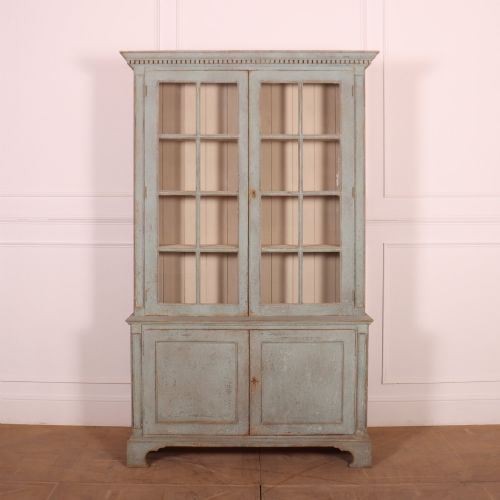
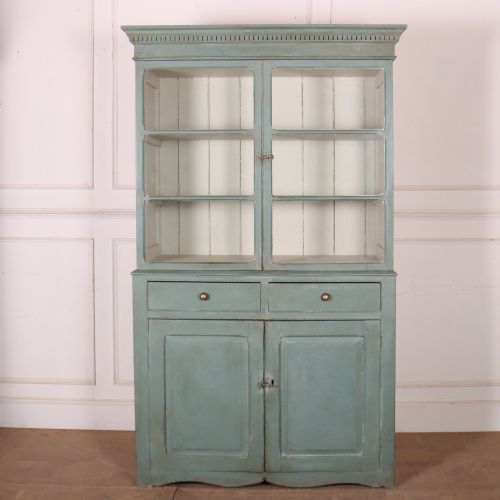
A blue country cabinet brings tactile warmth and regional character to an interior through honest painted surfaces and practical storage.
Blue Country Cabinet
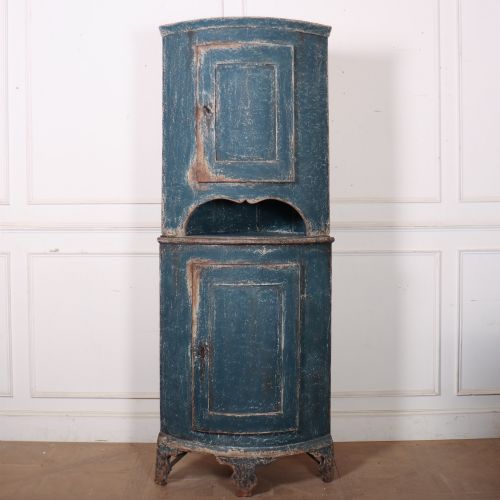
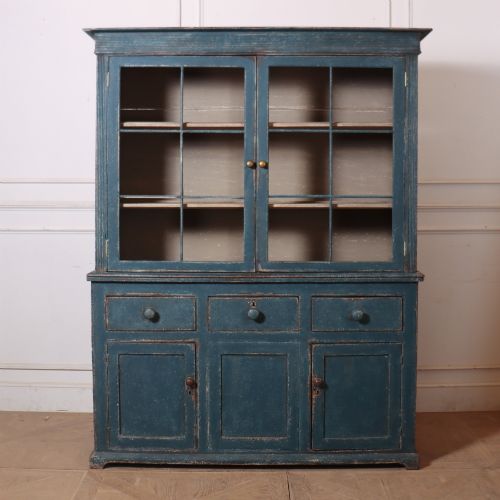
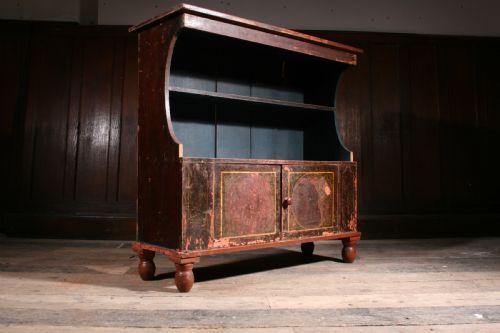
A blue country cabinet encompasses regional cupboards, dressers, and bookcases dating from the eighteenth century into the early twentieth century. These domestic storage pieces originate from British, French, and Scandinavian workshops where practical utility dictated the form.
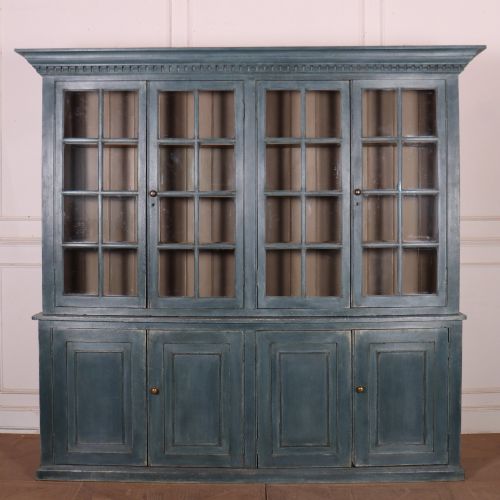
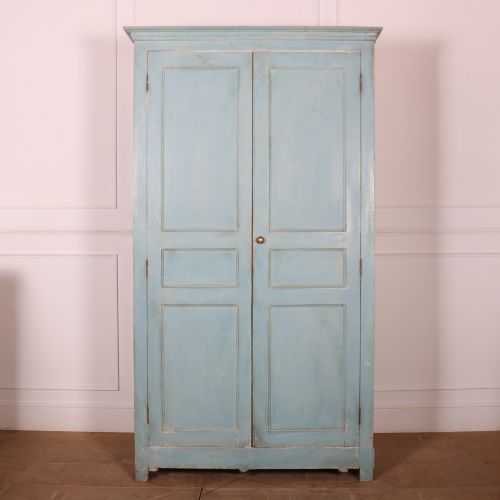
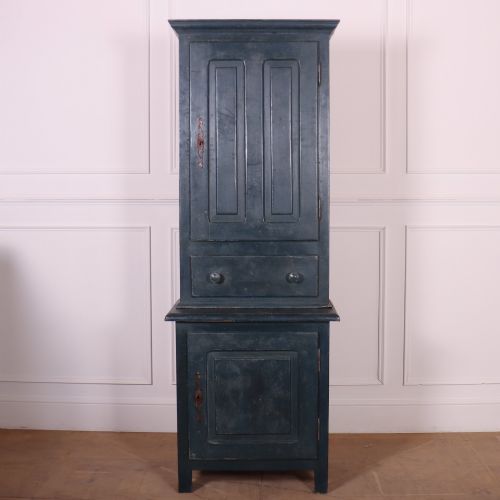
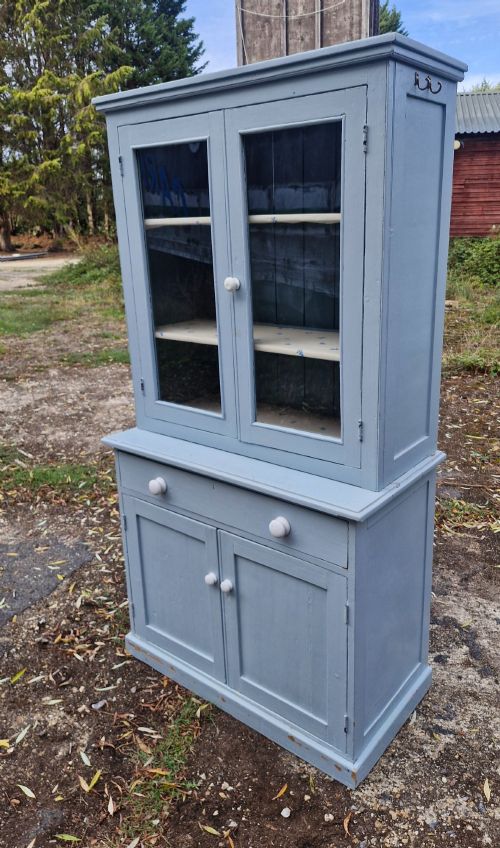
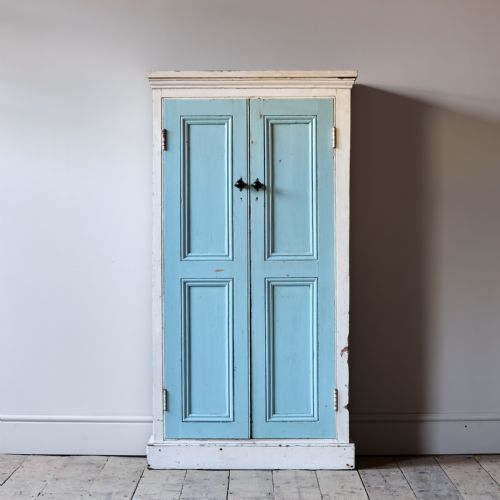
Buyers seeking a blue country cabinet most frequently encounter nineteenth-century pine examples wearing original paint layers. The selection spans compact wall-mounted cupboards to substantial two-part kitchen dressers and corner units.
Regional variations such as West Country, Scottish, and Gustavian pieces display distinct proportions and timber treatments. Their surfaces range from uniform painted finishes to weathered layers that reveal the underlying pine.
Materials and construction
Construction relies primarily on solid pine assembled with traditional joints and simple iron or brass fixings. Master carpenters built these utility items for daily domestic use rather than formal display.
Surface treatments involve layered paint applied over softwood, sometimes utilising ragwork techniques or scraped finishes to achieve texture. Glazed doors incorporate small glass panes set into wooden framing.
Hardware consists of functional iron hinges, latches, and brass pulls chosen for everyday durability. Structural integrity depends on sturdy timber framing designed to bear the weight of heavy crockery and household stores.
Blue Country Cabinet Retail Price Guide 2026
Typical asking prices for blue country cabinet among the pieces listed under this phrase on Sellingantiques today, from the lower quarter to the upper quarter. They describe what is for sale here now, not the wider market.
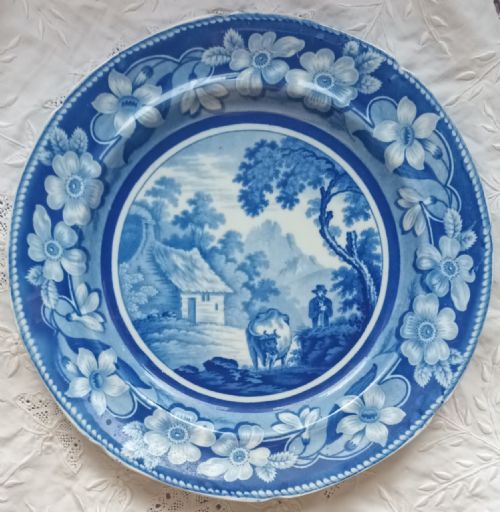
One cheerful tea plate sneaked into the cabinet section, proving even ceramics wanted a rustic country home.
Evaluating quality and authenticity
The survival of original painted surfaces distinguishes superior examples from stripped or later repainted pieces. Collectors look for honest wear that records decades of domestic habitation without clumsy restoration.
Proportion and regional detailing elevate certain cabinets above utilitarian workshop output. Finer pieces demonstrate careful joinery and well-balanced door panels that remain true after generations of use.
Morison and Co
The Blue Country Cabinet Glossary
- Gustavian
- The Swedish interpretation of neoclassical style, characterised by restrained carving and pale painted finishes.
- Ragwork paint
- A decorative technique using rags to manipulate wet glaze or paint, creating mottled textures on wood.
- Pine
- A softwood commonly used for European and British country furniture due to its availability and workability.
- Buffet à deux corps
- A tall two-part French storage unit featuring an upper cabinet resting upon a deeper lower section.
- Scraped paint
- A finish where layers of historic paint are partially removed to reveal underlying colours and create a patinated surface.
Blue Country Cabinet: Frequently Asked Questions
What is a blue country cabinet?
A blue country cabinet is a utilitarian storage piece, such as a cupboard or dresser, finished in regional blue paint. These items date from the eighteenth to the early twentieth century and originate from British, French, and Scandinavian traditions.
They served as practical furniture for storing kitchenware, linen, and household stores in rural homes. Today, they function as focal storage pieces in modern interiors.
How do I date a painted wooden cupboard?
Dating relies on assessing construction methods, timber preparation, and the composition of the paint layers. Eighteenth-century examples often feature hand-planed boards and forged iron hardware.
Nineteenth-century pieces commonly show machine-sawn timber alongside traditional joinery. Surviving surface treatments provide further clues to the period of manufacture.
Where were these painted cabinets made?
These pieces originate from rural workshops across Britain, France, and Scandinavia. Regional styles reflect local preferences in joinery, proportion, and decorative painting.
Swedish and Gustavian pieces often feature lighter painted schemes, while British regional examples display robust pine construction.
How do I care for original painted wood?
Maintain original painted surfaces by keeping cabinets away from direct sunlight and steady humidity fluctuations. Dust gently with a dry, soft cloth without applying harsh chemical polishes.
Protecting the aged finish preserves both the historical integrity and the visual character of the piece.