

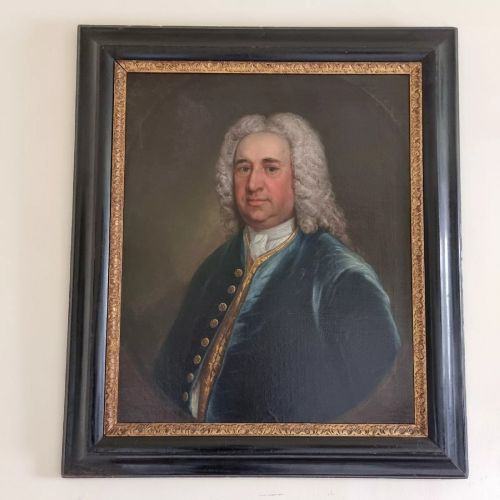


Blue Coat Portrait Art
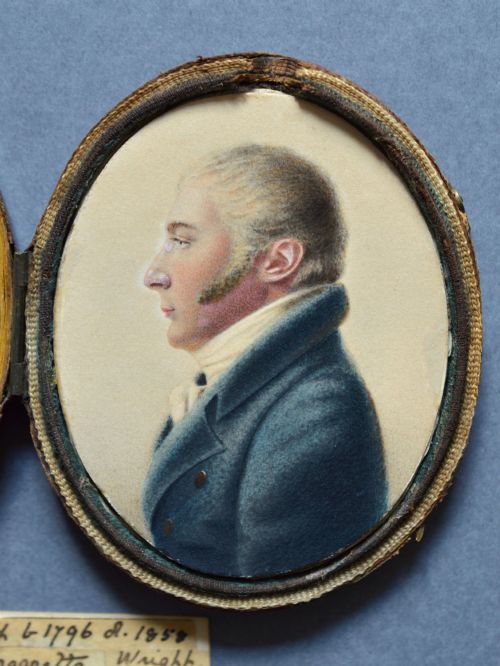
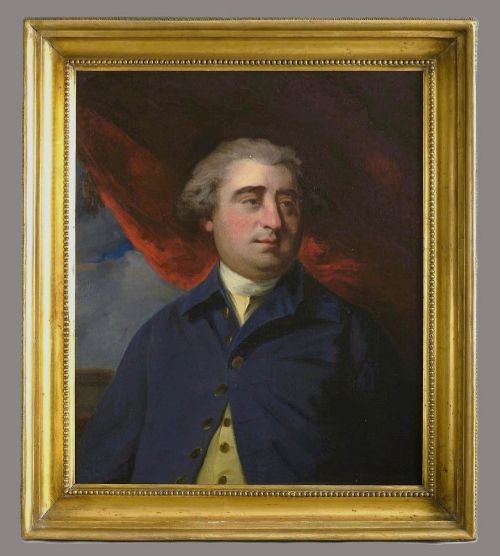
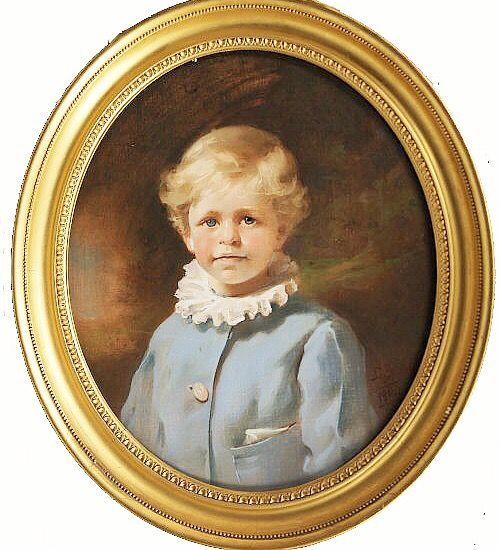
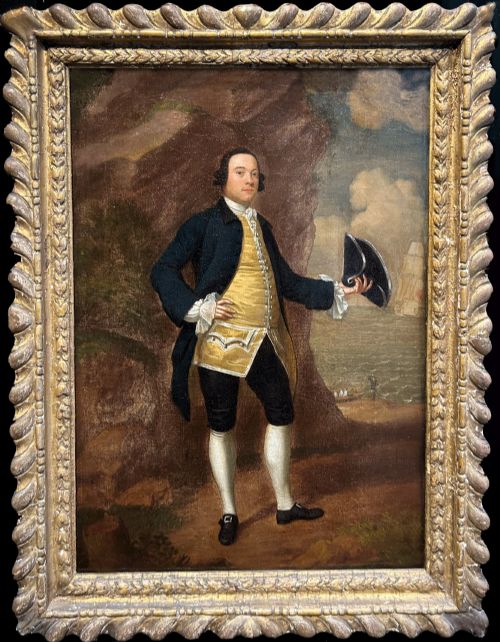
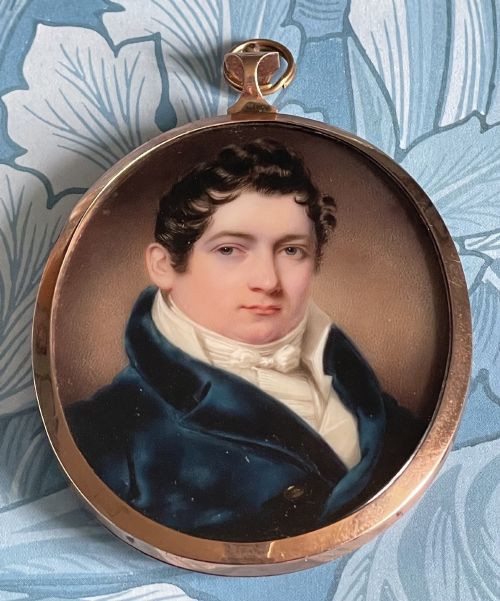
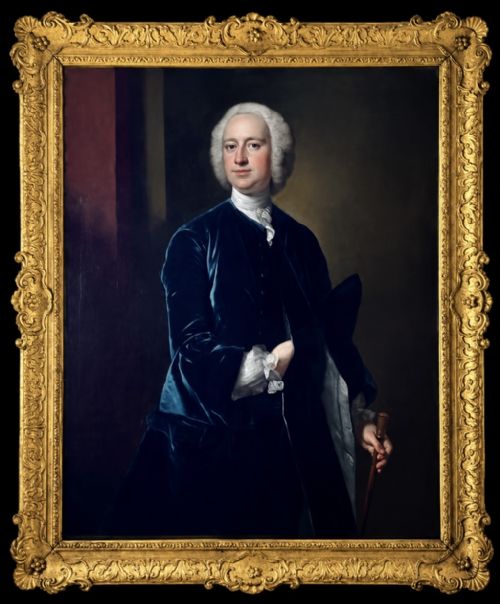
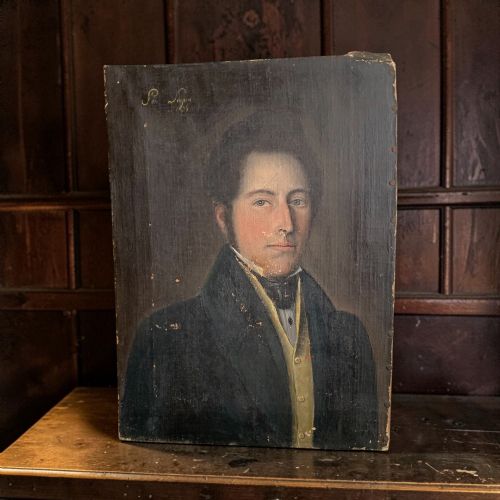
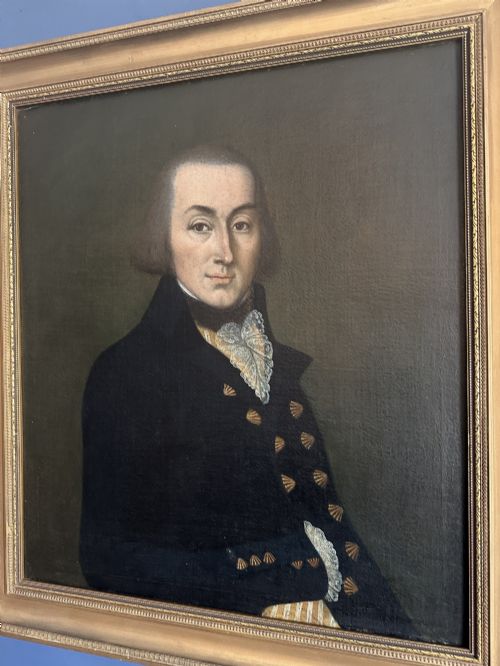
These pieces of blue coat portrait art capture historical figures and gentlemen through centuries of painting and miniature work.
Blue Coat Portrait Art
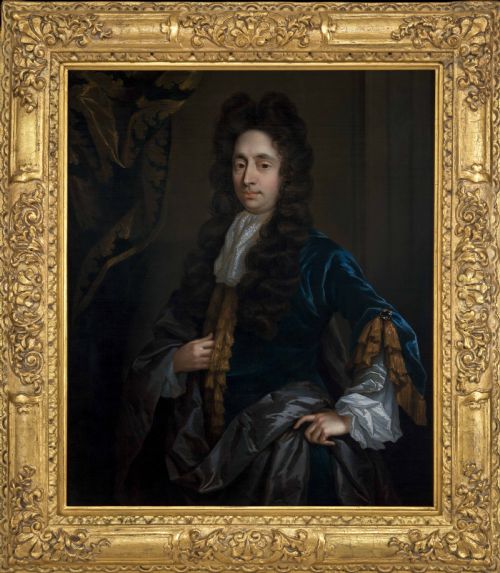
When you search for blue coat portrait art, you encounter historical depictions ranging from the late seventeenth century through the Victorian era. These works primarily take the form of oil paintings on canvas or panel, alongside delicate portrait miniatures and pastel works on paper.
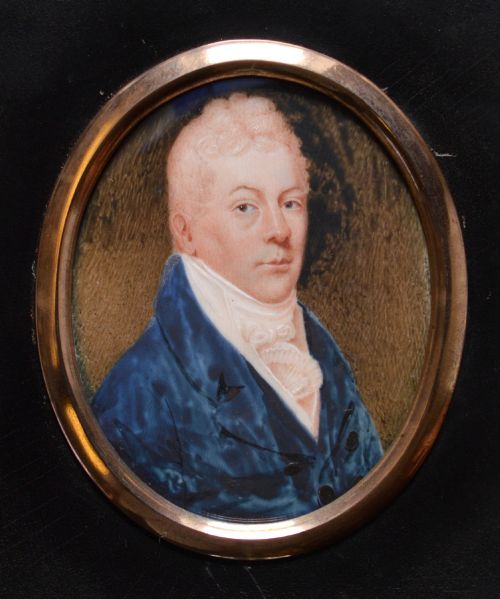
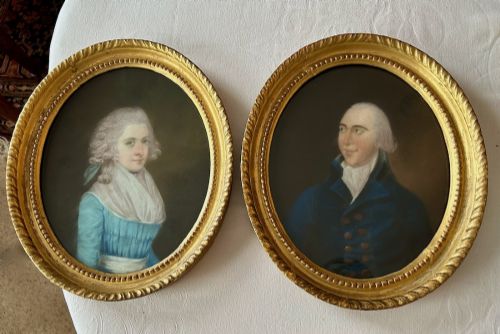
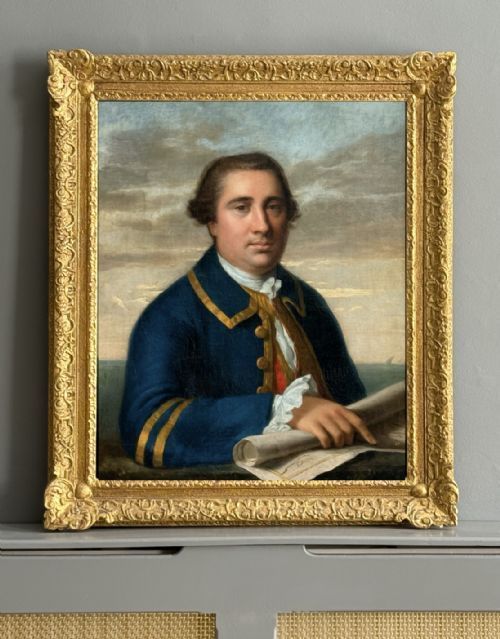
The most common items on this page span the eighteenth and nineteenth centuries, depicting naval officers, merchants, and gentlemen dressed in distinct blue coats. Creators from various British and European schools produced these pieces, utilising formats from small framed miniatures to large oil canvases.
Materials and Technique
Artists painted oil on canvas or wood panels, applying pigments layered with varnish to achieve depth in garments and facial expressions. Miniature portraits often utilised ivory, paper, or agate panels, sometimes housed in gold leaf or giltwood frames.
Watercolour and pastel techniques appear frequently on paper supports, occasionally incorporating cut-out profiles or delicate ink detailing. Skilled framers mounted these works using wood and glass protection to preserve the fragile media.
Several gentlemen proudly wear their blue coats while accompanied by unexpected companions, including spinning tops and naval capstan equipment.
Assessing Quality
Quality rests upon the precision of the brushwork and the psychological depth captured in the sitter's expression. Superior examples display masterful handling of fabric folds in the blue coat and convincing anatomical proportions.
The provenance and attribution to known portraitists or their circles elevate a piece significantly. Materials such as solid gold frames or exceptionally well-preserved agate panels also distinguish finer historical works from standard school productions.
Constantyn Netscher·Lemuel Francis Abbott·Sir Joshua Reynolds·Thomas Hudson·Philip Mercier·Sir Godfrey Kneller
The Blue Coat Portrait Art Glossary
- Portrait miniature
- A small-scale painting, often executed on ivory, vellum, or card, designed for intimate viewing or portable display. These works required meticulous stippling and fine brush techniques.
- Oil on canvas
- A painting medium where pigments are suspended in a drying oil, applied to a stretched woven fabric surface. This combination allows for rich blending and enduring colour depth.
- Pastel
- A medium consisting of powdered pigment mixed with a binder and formed into sticks, applied directly to paper. It creates a velvety matte texture highly sensitive to light.
- Giltwood
- Wood that has been coated with a thin layer of gold leaf or gold powder, commonly used for decorative antique frames. This technique adds warmth and brilliance around the artwork.
- Circle of
- A designation indicating the artist worked in the style of a master during the same period, often within a shared studio or immediate artistic community.
Blue Coat Portrait Art: Frequently Asked Questions
What periods do these portraits cover?
The listings span from the late seventeenth century through the Victorian period, with a strong concentration of eighteenth-century and Regency works.
You will find examples representing Georgian society, British naval history, and continental European schools.
How were portrait miniatures displayed?
Miniatures were typically framed in small, ornate settings made from materials like gold, brass, or wood with glass covers.
Owners often kept them on desks, carried them during travel, or wore them as personal lockets.
Are these works signed by the artists?
Many historical portraits remain unsigned or attributed to the circle of a known master rather than bearing a signature.
Dealer descriptions rely on stylistic analysis, subject identification, and historical records to suggest attribution.
What framing comes with these paintings?
Surviving works frequently retain period frames made of giltwood, carved wood, or gold leaf that complement the age of the canvas.
These frames protect the edges and enhance the visual presence of the artwork on a wall.
How do I care for antique watercolours?
Watercolours and pastel works require protection from direct sunlight to prevent the paper from yellowing and the pigments from fading.
Displaying them in rooms with stable humidity levels helps preserve both the paper support and the framing.