
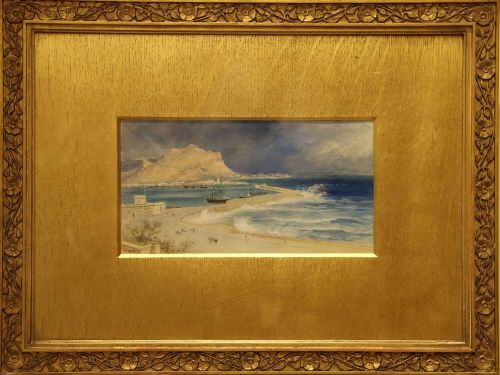
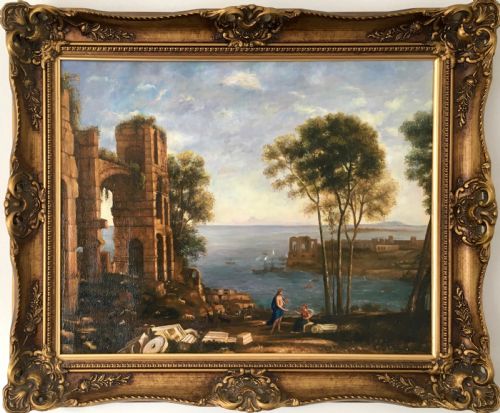
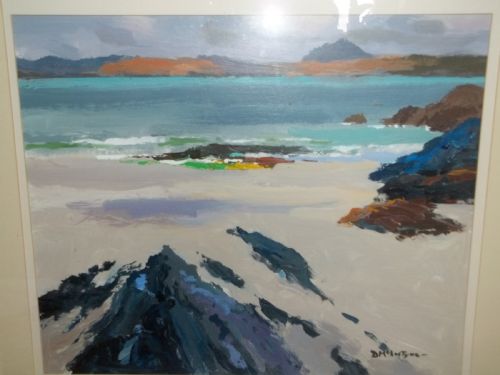
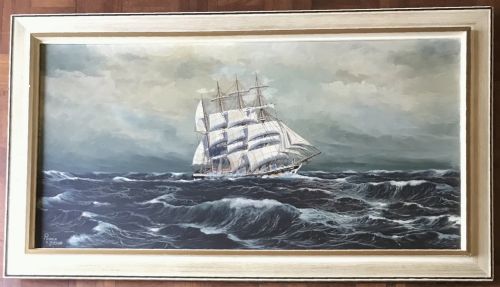



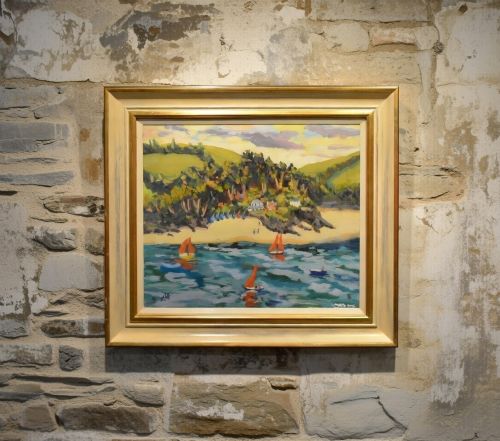
Blue Coastal Seascape Painting
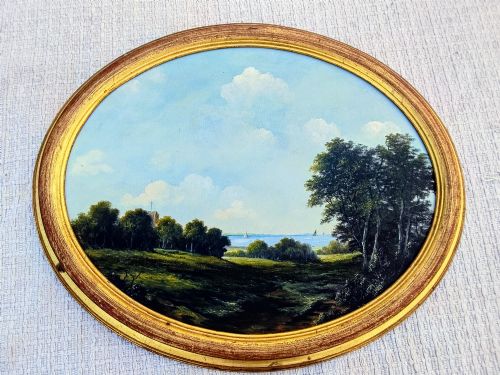
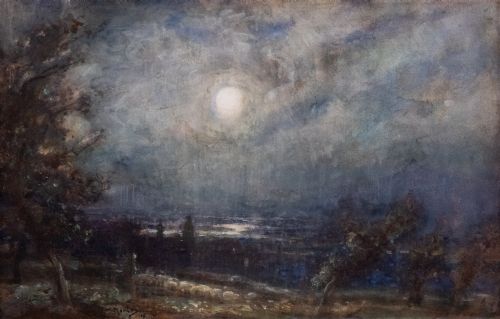
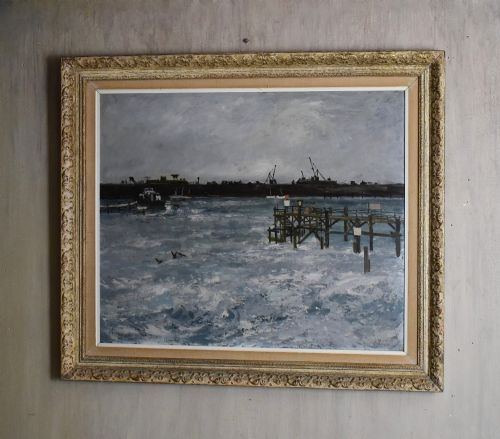
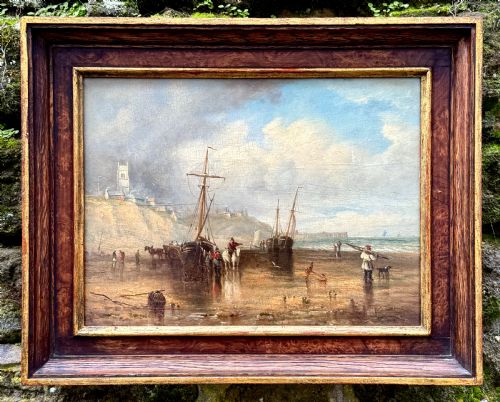
A blue coastal seascape painting captures the movement of tides and harbours across the nineteenth and twentieth centuries.
Blue Coastal Seascape Painting
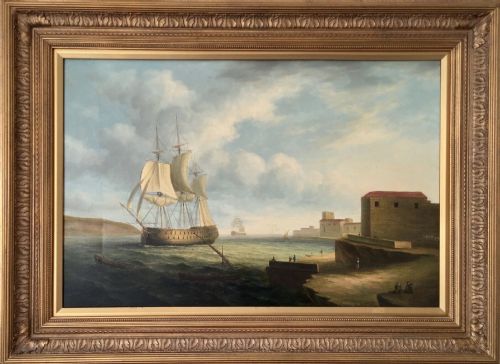
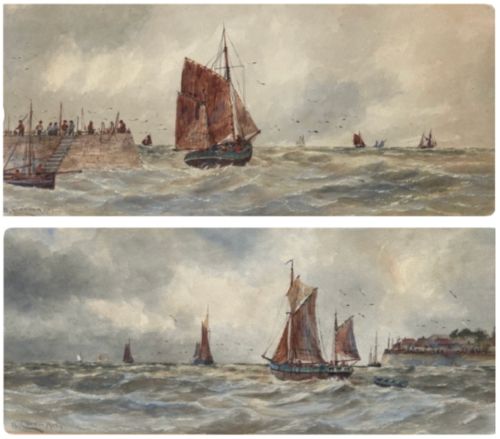
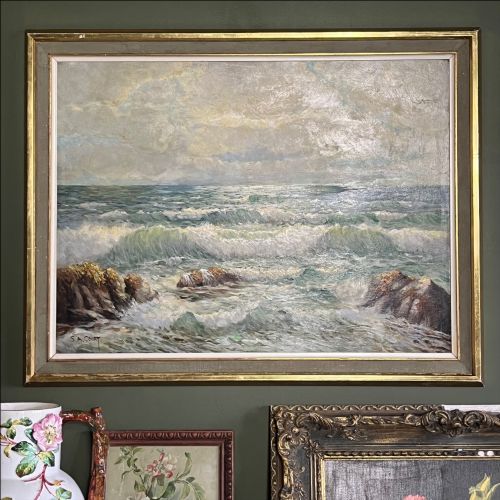
A blue coastal seascape painting brings together maritime views, fishing harbours, and open water executed in oil or watercolour.
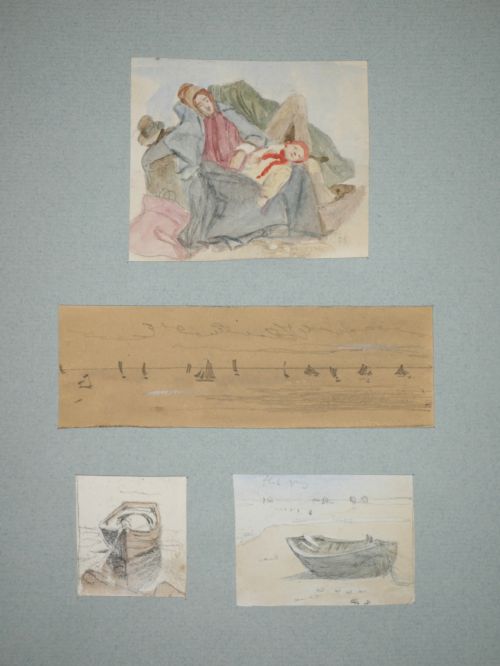
Buyers will encounter works ranging from Victorian marine watercolours to mid-twentieth-century oil paintings on canvas and panel.
Subjects frequently record specific British and European coastal locations, including Cornish fishing ports and Mediterranean harbours.
Materials and Techniques
Artists utilised watercolour pigment on paper and oil paint on canvas or wooden panel to capture changing light on water.
En plein air methods allowed painters to record direct observations of coastal weather, tides, and harbour activities.
Several artists braved stormy tides and salty gales with wooden panels just to capture a single rogue wave.
Assessing Quality in Marine Works
Quality rests upon the artist's ability to render the weight of water, atmospheric light, and the structural rigging of vessels.
Works that demonstrate confident brushwork and precise tonal control stand apart from purely decorative topographical records.
James Hardy·James Orrock·William Cannon·James Smetham·Sidney A Court·William Banks Fortescue·Thomas William Morley·Peter Brannan·Bernard Benedict Hemy·Thomas Creswick·Lucy Pratt·TB Hardy·Cecil Allan Mould·Charles Euphraisie Kuasseg·Joseph Farquharson·Dubovsky·William Matthison·William Henry Williamson·Frank Kelsey·Walter Goodin·Henry Barlow Carter·William Frederick Settle·Lionel Horsnell·Paul Delvaux·Charles William Adderton
The Blue Coastal Seascape Painting Glossary
- Watercolour pigment
- A medium consisting of finely ground colour suspended in a water-soluble binder, applied to paper.
- En plein air
- The practice of painting outdoors to capture direct natural light and atmospheric conditions.
- Marine art
- Depictions of the sea, ships, coastal views, and maritime activities.
- Impasto
- Paint applied thickly to a surface, leaving visible brush or palette knife marks.
- Panel
- A rigid wooden support used as a base for oil paintings prior to framing.
Blue Coastal Seascape Painting: Frequently Asked Questions
What periods do these paintings date from?
The works span the nineteenth century through the mid-twentieth century, encompassing Victorian, Edwardian, and later modernist movements.
Specific dates are often recorded by the artist's active period or direct signatures on the canvas and paper.
How were these marine paintings displayed?
Most works are housed in period frames suited to oil paintings on canvas or glazed watercolours on paper.
Original framing helps preserve the piece and offers context regarding the era of production.
Where were these coastal scenes painted?
Artists travelled to prominent fishing ports, estuaries, and cliffs around Britain, France, Norway, and the Mediterranean.
Locations such as Cornwall, Whitby, and various European harbours frequently appear in the titles.
How do watercolours differ from oils here?
Watercolour paintings utilise thin washes of pigment on paper to create luminous, transparent effects of light and sea.
Oil paintings on canvas or panel provide a heavier texture and allow for rich impasto applications.