




Blue Ceramic Tableware
Blue ceramic tableware brings together centuries of earthenware, porcelain, and stoneware shaped into functional vessels for the dining table.
Blue Ceramic Tableware
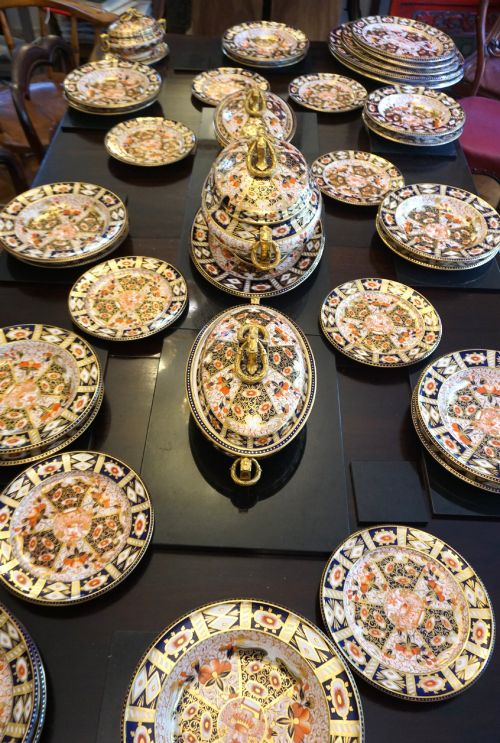
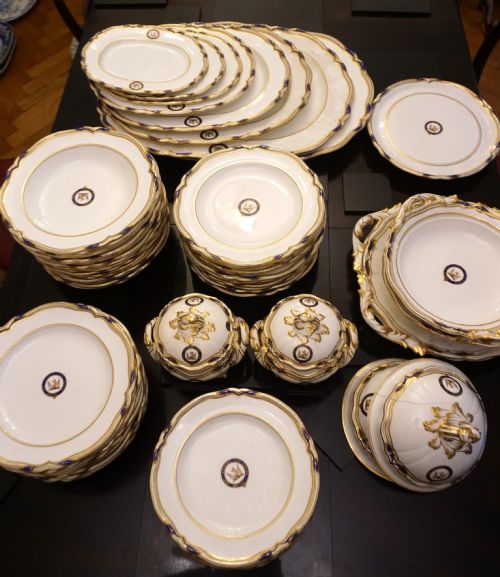
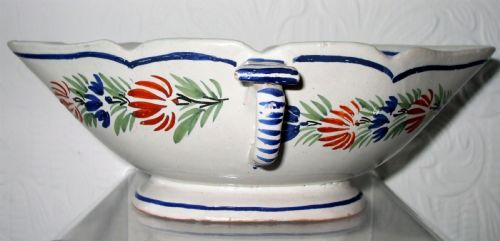
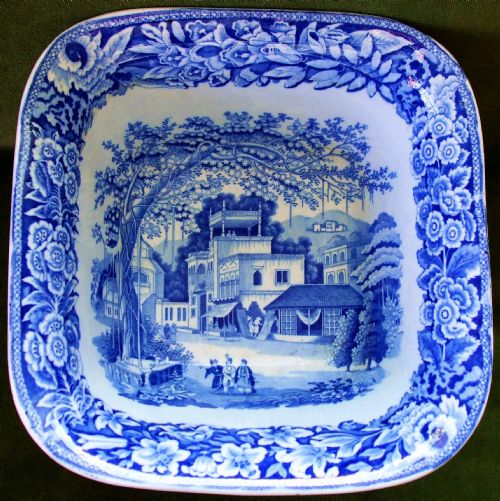
Blue ceramic tableware comprises serving platters, tureens, sauceboats, and plates produced across the eighteenth, nineteenth, and early twentieth centuries.
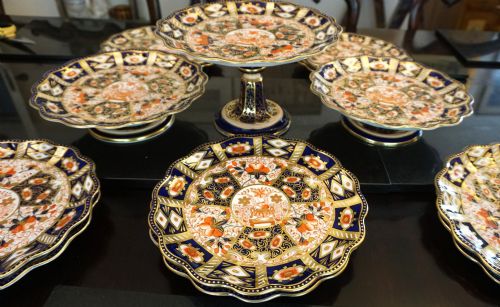
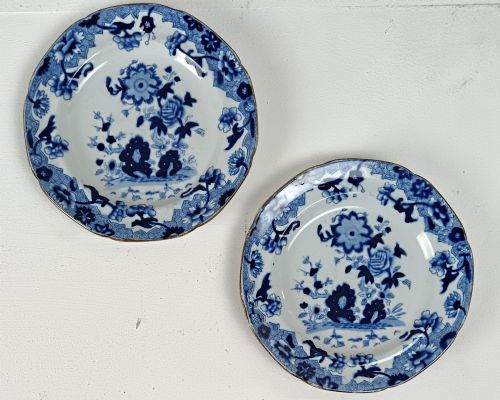
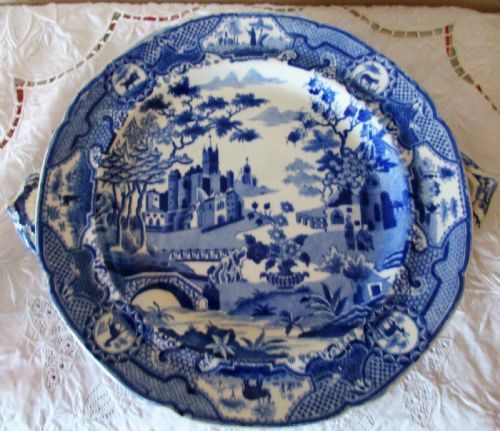
The pieces appearing on this page span Georgian transferware, Victorian ironstone, and delicate porcelain services designed for everyday dining or formal dessert courses.
Originating largely from English potteries alongside select continental and Asian kilns, these items reflect the evolution of domestic dining habits and ceramic decoration.
How they were made
Potters utilised earthenware, ironstone, soft-paste porcelain, and stoneware bodies shaped by hand or moulded before receiving glaze and enamel colours.
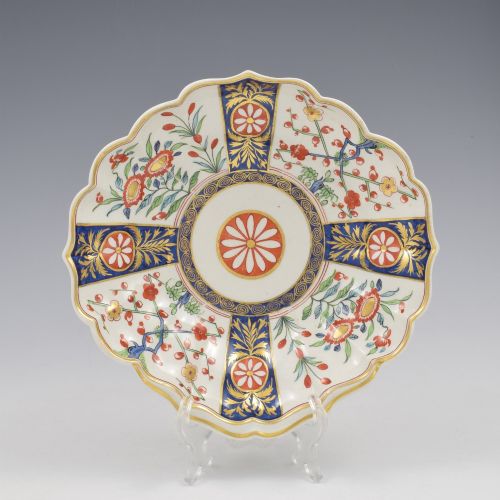
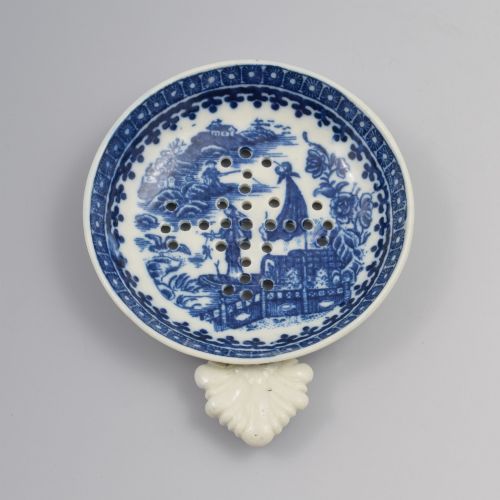
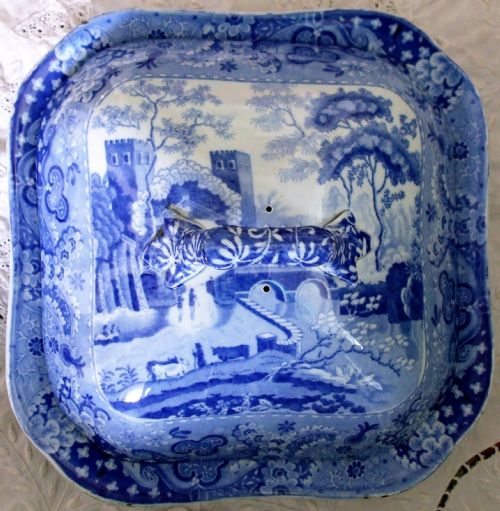
Transfer printing applied intricate blue patterns onto pottery surfaces prior to firing, while other wares received hand-painted botanical or figurative designs.
Blue Ceramic Tableware Retail Price Guide 2026
Typical asking prices for blue ceramic tableware among the pieces listed under this phrase on Sellingantiques today, from the lower quarter to the upper quarter. They describe what is for sale here now, not the wider market.
What varies in quality
Quality rests in the crispness of the transfer print, the evenness of the glaze, and the precision with which decorative handles and finiels are applied.
Earlier eighteenth-century porcelain bodies and finely potted ironstone services demonstrate greater refinement in weight, form, and cobalt blue saturation.
Royal Crown Derby·Spode·Wedgwood·J. & R. Riley·J. & R. Clews·Caughley·Mintons·Doulton Lambeth·Worcester·Mason·Coalport·Grainger and Company·Doulton Burslem·Kuznetsov·William Adams
The Blue Ceramic Tableware Glossary
- Transferware
- Earthenware or porcelain decorated by applying a printed design from a copper plate onto the ceramic body. This technique enabled uniform and detailed pictorial scenes to be produced in quantity.
- Ironstone
- A dense, durable type of earthenware patented in the nineteenth century. It combined clay, feldspar, and slag to create a robust material suited to heavy daily use.
- Tureen
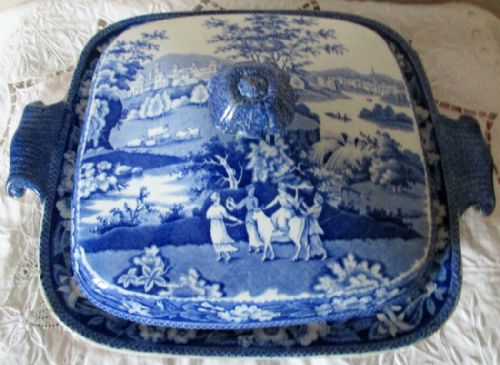
- A deep covered bowl used for serving soups, sauces, or vegetables at the table. These vessels often stood upon matching ceramic stands accompanied by ladles.
- Soft-paste porcelain
- An artificial porcelain composition fired at lower temperatures than hard-paste porcelain. It was widely used by eighteenth-century English factories before true hard paste became common.
- Faience
- Tin-glazed earthenware produced in France and continental Europe. The opaque white glaze provided a smooth ground for painted blue designs.
Blue Ceramic Tableware: Frequently Asked Questions
How do I care for antique blue ceramic tableware?
Wash these pieces gently by hand in warm water using mild soap rather than placing them in a dishwasher. Avoid sudden temperature changes to protect the older ceramic body and glaze from thermal shock.
Store serving dishes and plates with padded dividers between them to prevent rim chipping. Display them away from direct sunlight to keep any enamel highlights bright.
Can I use these plates and tureens for daily dining?
Many nineteenth-century ironstone and earthenware pieces were built for robust daily service and handle modern meals well. Earlier porcelain and earthenware require greater care due to their age and delicate glazes.
Inspect older wares for any existing hairline cracks before use with hot foods. Hand washing remains essential regardless of how sturdy the ceramic appears.
How do I distinguish eighteenth-century porcelain from nineteenth-century ironstone?
Eighteenth-century porcelain typically feels lighter in the hand, often showing translucency when held up to the light. Ironstone and heavy earthenware possess a thicker, heavier body designed to resist chipping.
Examine the foot ring and unglazed areas to observe the texture of the ceramic paste. Makers marks and transfer styles also help narrow down the period of production.
What is the difference between a tureen and a sauceboat?
A tureen is a large, deep covered vessel designed for holding shared portions of soup, vegetables, or sauces at the centre of the table. A sauceboat is a smaller open vessel with a spout and handle intended for individual table sauces.
Tureens frequently include matching ceramic ladles and stands. Sauceboats are proportioned for passing around the dining table by hand.