



Blue and Yellow Pin
These blue and yellow pin pieces bring together precious gems and earthenware to catch the eye.
Blue and Yellow Pin
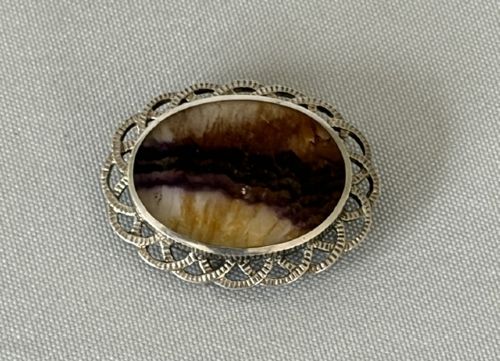
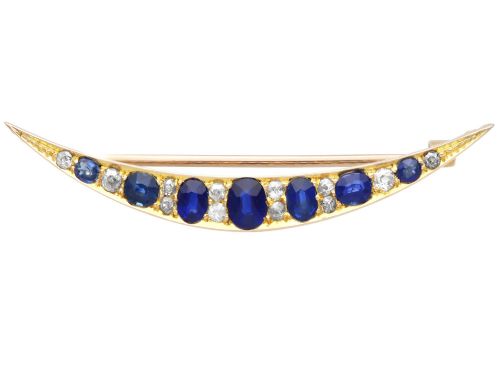
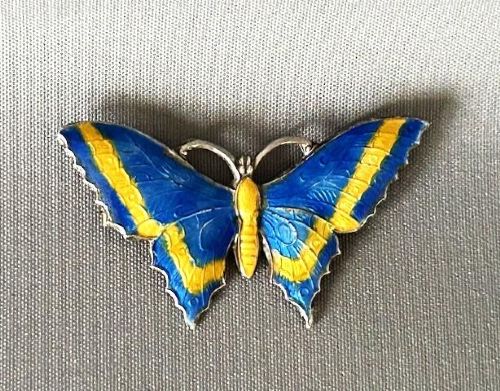
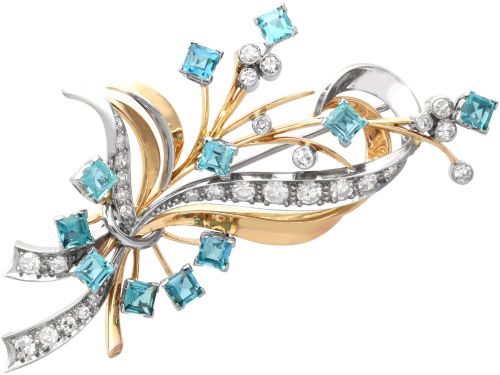
A blue and yellow pin brings together gold mountings, bright sapphires, aquamarines, and hand-painted ceramic wares. When you search for blue and yellow pin, you are looking at items designed to fasten garments or hold small domestic objects.
The selections available here span from Victorian crescent brooches to French ceramic pin trays. You will most frequently meet stone-set bar brooches alongside earthenware dishes.
Origins stretch across British, French, and continental workshops from the late nineteenth century through the mid-twentieth century. Each piece reflects the functional requirements of its period, whether for securing lace or catching stray pins on a dressing table.
How they were made
Metalwork utilises yellow gold of varying carats alongside palladium settings to secure precious stones. Stones are claw-set or flush-mounted into the precious metal base.
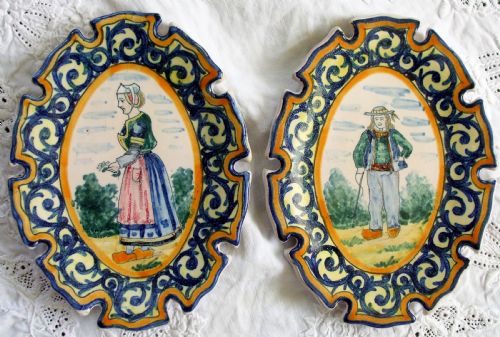
Ceramic pieces rely on tin-glazed earthenware and faience techniques. Artisans hand-paint motifs directly onto the glazed surface before firing.
Blue and Yellow Pin Retail Price Guide 2026
Typical asking prices for blue and yellow pin among the pieces listed under this phrase on Sellingantiques today, from the lower quarter to the upper quarter. They describe what is for sale here now, not the wider market.
Materials span 9ct, 12ct, 15ct, and 18ct yellow gold, alongside palladium, sapphire, aquamarine, diamond, and tin-glazed earthenware.
What varies in quality
Quality rests upon the depth of colour in sapphires and aquamarines, alongside the clarity of the gemstone crystal. Heavier gold weight and refined casting contribute to durability.
In ceramic pin trays, the precision of the hand-painted brushwork distinguishes standard items from finer examples. The crispness of the tin glaze finish dictates the longevity of the earthenware.
The Blue and Yellow Pin Glossary
- Crescent brooch
- A curved ornament shaped like a waxing moon, often set with graduated gemstones. This form gained popularity during the Victorian and Edwardian periods.
- Faience
- Tin-glazed earthenware originating from European traditions, particularly French manufacture. The technique produces a smooth white opaque surface suitable for detailed painting.
- Bar brooch
- A narrow linear pin designed to span a lapel or collar, frequently featuring a central gemstone cluster. These items dominated fastening styles from the late nineteenth century onward.
Blue and Yellow Pin: Frequently Asked Questions
How do I wear a brooch?
Brooches fasten securely to heavy fabrics like wool coats, knitted scarves, or thick lapels.
The weight of stone-set pieces requires sturdy material to prevent the pin from sagging.
Are pin trays still useful?
Pin trays serve well on dressing tables or desks for holding small rings, cuff-links, and pins.
Their shallow rims keep loose items contained while displaying ceramic artistry.
How do I clean gold jewellery?
Warm soapy water and a soft brush remove everyday oils from gold and gemstone surfaces.
Harsh chemical dips damage softer stones and delicate metal finishes over time.
What is French faience?
French faience refers to tin-glazed pottery produced in workshops across France during the nineteenth and twentieth centuries.
Hand-painted details define the character of these decorative trays.