



Blue and White Porcelain Art
Blue and white porcelain art pieces bring historic cobalt glazing into your rooms, offering centuries of fired craftsmanship.
Blue and White Porcelain Art
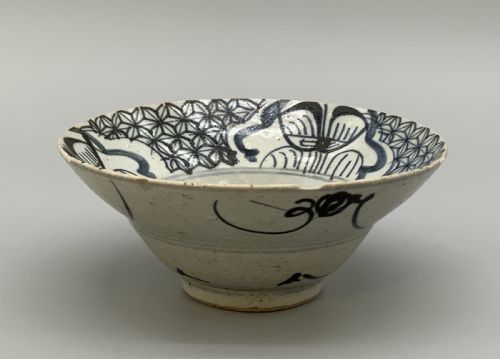
Blue and white porcelain art spans centuries of global ceramic tradition, ranging from early Ming Dynasty bowls to twentieth-century Art Deco table lamps.
The objects on this page include vases, snuff bottles, chargers, and bowls created across diverse periods such as the Qing Dynasty and the Meiji era.
Buyers seeking blue and white porcelain art will find both traditional Asian ceramics and European interpretations utilising classic cobalt pigments.
Materials and Techniques
Potters painted cobalt oxide directly onto the clay body before applying a clear glaze and firing the piece at high temperatures.
Certain objects incorporate additional decorative elements such as enamel, gold leaf, and vitreous enamel over the primary glaze.
Makers shaped vessels like double gourd vases and punch bowls using refined porcelain clay that vitrified during the kiln firing.
Blue and White Porcelain Art Retail Price Guide 2026
Typical asking prices for blue and white porcelain art among the pieces listed under this phrase on Sellingantiques today, from the lower quarter to the upper quarter. They describe what is for sale here now, not the wider market.
Listings feature porcelain pieces spanning from the seventeenth century through the Art Deco era of the 1930s.
Grading Quality and Execution
The crispness of the cobalt painting determines much of the visual success, separating fluid, confident brushwork from rigid or muddy applications.
Control over the kiln firing dictates whether the glaze achieves a clear, luminous finish or suffers from discoloration and running pigments.
The precision of the potting, particularly on large forms like chargers and yen-yen vases, marks the distinction between standard and superior workshops.
Gebrüder Heubach·Moorcroft Macintyre
The Blue and White Porcelain Art Glossary
- Cobalt Blue Glaze
- A metallic oxide pigment applied under the glaze that turns a rich blue during the high-temperature firing process. This mineral is the primary colouring agent for traditional blue and white wares.
- Doucai
- A Chinese porcelain technique combining underglaze blue outlines with overglaze enamel infills. Artisans fire the piece twice to achieve this vibrant polychrome and blue effect.
- Yen-Yen
- A traditional Chinese beaker-shaped vase with a flared neck and sweeping body, often associated with the Kangxi period. These tall vessels showcase expansive painted scenes.
- Meiji Period
- A Japanese historical era lasting from 1868 to 1912 marked by significant artistic production and export to Western markets. Ceramics from this time often feature intricate detailing.
- Double Gourd Vase
- A ceramic vessel formed in two bulbous sections resembling a traditional water carrier. This auspicious silhouette appears frequently in Chinese porcelain design.
Blue and White Porcelain Art: Frequently Asked Questions
How do I date a blue and white porcelain vase?
Examine the style of the cobalt painting, the characteristics of the footrim, and any reign marks on the base. Different dynasties and periods favoured specific floral and figural motifs that help establish a timeline.
Compare the glaze texture and potting weight with known examples from the same era. Subtle variations in the blue pigment can also point toward a particular century of manufacture.
Are these pieces suitable for everyday use?
Most antique porcelain items function best as decorative objects rather than utility ware. Displaying them on tables or shelves protects their historic glazes from modern wear and tear.
Gentle dusting with a soft cloth keeps the surface clean without risking abrasion to the enamel or gold leaf details.
What does the Kangxi period mean?
The Kangxi period refers to the reign of the Kangxi Emperor in China from 1662 to 1722. Ceramics from this era are celebrated for their brilliant cobalt blue shades and refined potting.
Porter and collector demand remains high for these pieces due to the exceptional technical standards achieved during those decades.
How should I clean antique porcelain?
Use a dry microfibre cloth to remove surface dust from the porcelain body. Avoid harsh chemical cleaners or abrasive scrubbing pads that might damage the historic glaze.
If washing is necessary, use tepid water and mild soap, ensuring the piece is dried immediately with a soft towel.