



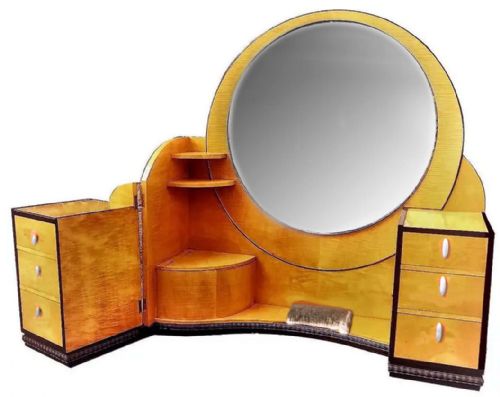
Blonde Wood Vanity Desk
A blonde wood vanity desk brings light timber tones and practical surface space into a room, offering a dedicated spot for grooming and writing.
Blonde Wood Vanity Desk
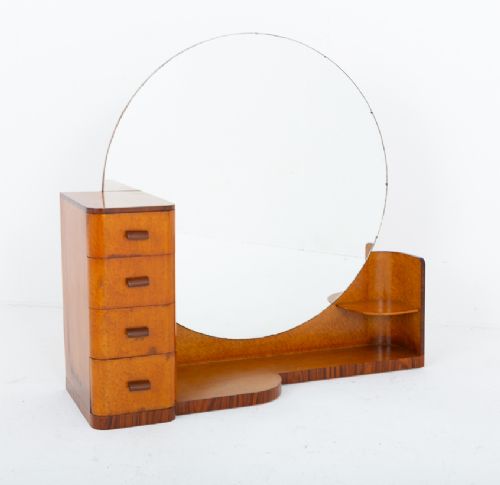
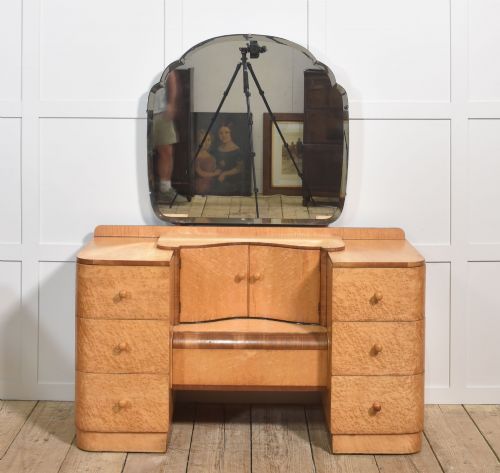
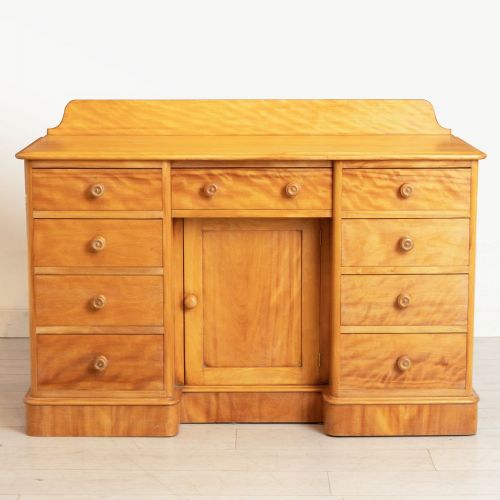
The versions you meet most frequently on this page date from the Art Deco period and the 1930s, often formed from maple, birdseye maple, satinwood, and satin birch. Victorian examples also appear in lighter woods such as satin birch.
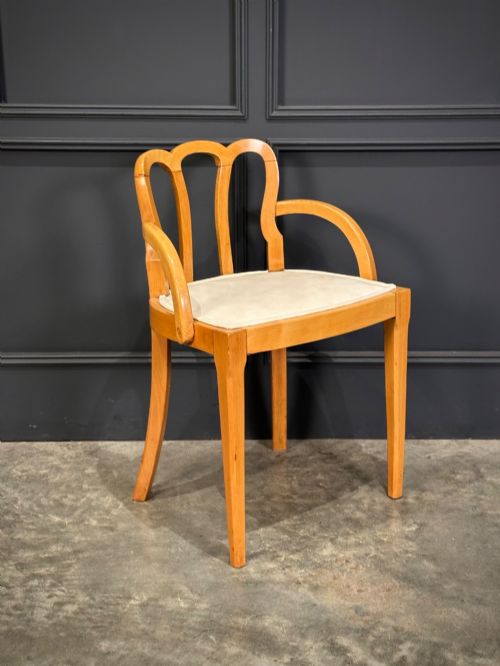
Alongside the primary dressing tables, the selection includes associated seating like satinwood chairs and occasional tables. These forms share the pale wood palette characteristic of the search phrase.
Materials and construction
Cabinetmakers utilised figured timbers such as birdseye maple and satinwood to create patterned grain surfaces across large panels. These pale woods are frequently combined with contrasting elements like glass mirrors and brass fittings.
Construction methods range from the streamlined geometry of 1930s Art Deco pieces to the more traditional joinery found in Victorian kneehole desks. Individual workshops shaped these light hardwoods to highlight natural timber variations.
Blonde Wood Vanity Desk Retail Price Guide 2026
Typical asking prices for blonde wood vanity desk among the pieces listed under this phrase on Sellingantiques today, from the lower quarter to the upper quarter. They describe what is for sale here now, not the wider market.
The listings on this page span the Victorian era, the 1920s, and the 1930s, using materials including birdseye maple, satin birch, and brass.
Assessing quality
Quality rests upon the selection of timber veneers and the intricacy of the grain patterns displayed across the surface. Pieces featuring highly figured birdseye maple or finely chosen satinwood sit higher in the range than plain timber surfaces.
The integration of original mirrors, matching chairs, and documented maker attribution elevates a piece. Construction detail, from smooth drawer operation to the precise execution of Art Deco or Victorian forms, defines the standard of manufacture.
Harry and Lou Epstein·John Taylor of Edinburgh·Betty Joel
The Blonde Wood Vanity Desk Glossary
- Birdseye Maple
- A figured timber showing small, circular markings resembling bird eyes within the grain. This decorative wood was frequently utilised on 1930s dressing tables.
- Satinwood
- A durable, yellowish timber with a natural sheen that resembles satin. Cabinetmakers prized it for fine polished surfaces.
- Kneehole Desk
- A desk or dressing table featuring a central recess for the legs, flanked by pedestals of drawers. Victorian examples in satin birch demonstrate this layout.
- Art Deco
- A design style from the 1920s and 1930s characterised by sleek geometric lines and modern materials. Pieces from this era often include built-in mirrors.
Blonde Wood Vanity Desk: Frequently Asked Questions
What is a blonde wood vanity desk?
A blonde wood vanity desk is a dressing table or writing surface made from pale timbers like maple, satinwood, or satin birch. These pieces often incorporate mirrors and drawers for daily use.
They function as both practical furniture and decorative centrepieces, drawing light into a room through their bright timber finishes.
How do I date these desks?
Dating relies on stylistic markers and timber types, such as the geometric lines of 1930s Art Deco pieces versus the traditional proportions of Victorian furniture. Maker marks and labels also assist with specific chronology.
Examination of the drawer construction and hardware offers further clues to the period of manufacture.
Are these desks suitable for writing?
Many dressing tables and kneehole desks provide adequate surface area and knee clearance for writing tasks. Historical pieces designed as writing tables offer sturdy platforms for correspondence.
Consider the height and drawer configuration underneath to ensure comfortable daily use as a desk.