


Blond Wood Armoire
A blond wood armoire offers warm, light-toned storage that brightens a bedroom while hiding everyday clothes.
Blond Wood Armoire
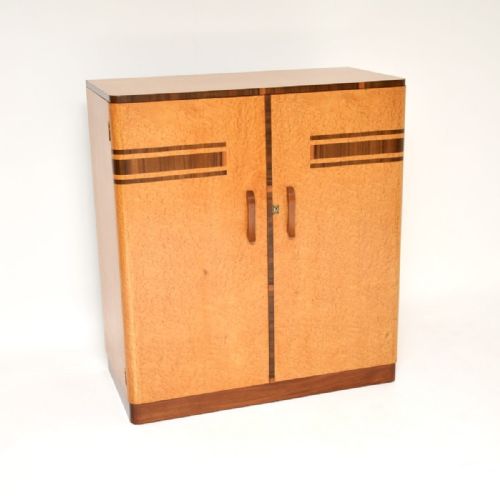
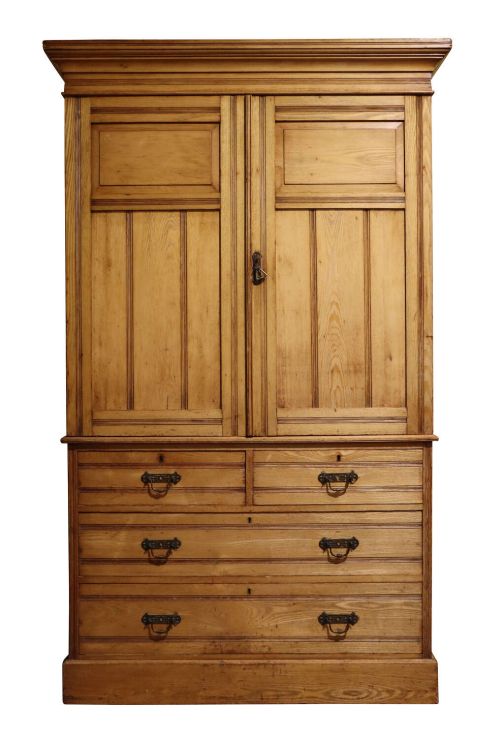
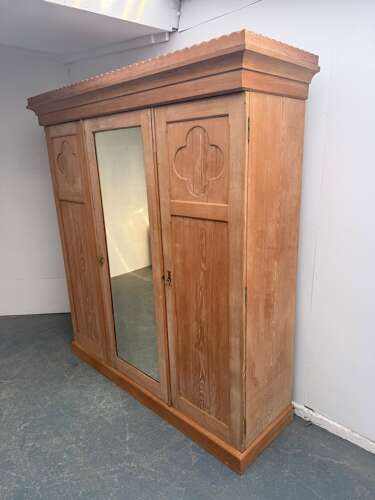
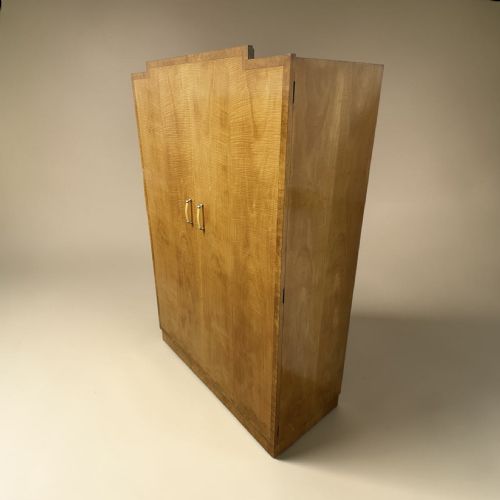
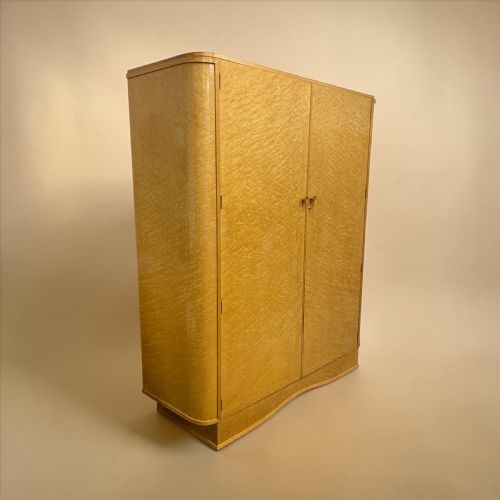
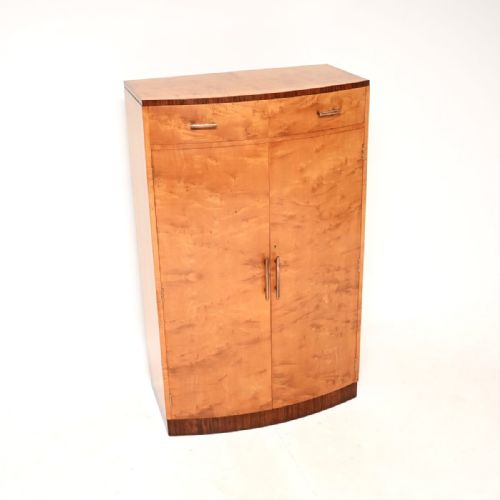
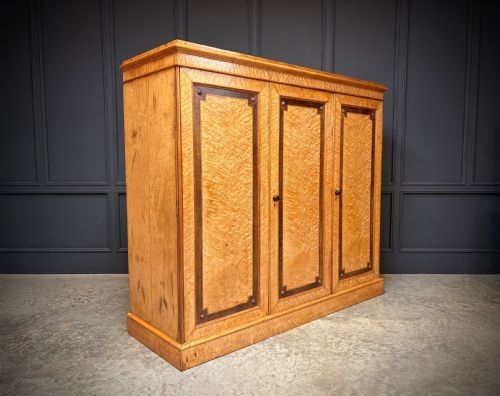
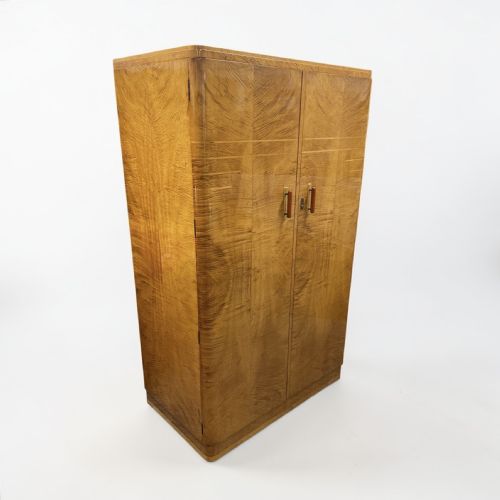
A blond wood armoire is a large storage piece for garments and linens, appearing on this page in pale timbers like birch, ash, satinwood, and maple. These pieces span from the nineteenth century into the twentieth, taking the form of wardrobes, compactums, press cupboards, and cabinets.
The styles range widely across these periods, encompassing Victorian and Aesthetic Movement designs, Arts & Crafts creations, and sleek Art Deco statements. Swedish pieces and Scandinavian country examples also feature prominently alongside English furniture.
Buyers seeking this phrase most frequently encounter Art Deco compactum wardrobes alongside nineteenth-century cupboards in birch or ash. The selection balances fitted interior storage with striking pale grain patterns across double and triple door formats.
How they were made
Cabinet makers utilised pale cabinet woods such as birch, ash, satin birch, and birds eye maple for the primary surfaces. Walnut and brass often appeared alongside these light timbers to provide contrast on mouldings, panels, and handles.
Construction methods varied from traditional nineteenth-century framing and paneling to twentieth-century veneering techniques. Many pieces relied on waxed or polished finishes to protect the pale wood while accentuating its natural grain.
Some gentlemen from 1910 required three doors just to house their attire properly.
What varies in quality
The distinction between standard and superior pieces rests on the selection and matching of timber veneers and solid grain. Master craftsmen aligned figures carefully across multiple doors and panels, whereas simpler examples used plain timber boards without pattern consideration.
Hardware and interior configuration further divide the range. Superior cabinets integrated fitted linen slides, drawers, and original brass details, while simpler items offered basic hanging space.
Maple & Co.·Harry and Lou Epstein
The Blond Wood Armoire Glossary
- Compactum
- A large fitted wardrobe combining hanging space with internal drawers, shelves, and linen slides. This efficient layout became particularly popular during the late Victorian and Art Deco periods.
- Birds eye maple
- A figure in maple wood resembling tiny swirling eyes caused by local depressions in the growth rings. Highly decorative, it was favoured by makers of high-end nineteenth and twentieth-century bedroom suites.
- Satin birch
- A timber featuring a natural golden sheen and gentle chatoyancy across the grain. It was frequently used during the nineteenth century for Aesthetic Movement and vernacular Scandinavian furniture.
- Press cupboard
- A tall storage piece traditionally used for linens, featuring upper doors enclosing shelves and lower sections with drawers or cupboards. Early examples often utilised sturdy English ash.
- Aesthetic Movement
- A late nineteenth-century design style rejecting heavy Victorian ornamentation in favour of simple lines and natural wood finishes. Pieces from this movement often highlight the unadorned beauty of pale timbers like satin birch.
Blond Wood Armoire: Frequently Asked Questions
How do I date a blond wood armoire?
Dating relies on construction methods, timber choices, and stylistic cues found across the piece. Nineteenth-century examples often display solid ash or birch with hand-cut joints, whereas nineteen-thirties pieces favour striking veneers like birds eye maple combined with walnut.
Hardware and interior fittings also indicate age. Earlier pieces typically feature simple timber or brass pulls, while Art Deco wardrobes often incorporate stepped mouldings and contrasting geometric inlays.
What is a compactum wardrobe?
A compactum is a multi-functional wardrobe designed to hold a complete wardrobe of clothes within a single footprint. It combines hanging space with internal drawers, sliding trays, and smaller compartments.
These pieces were especially popular during the early twentieth century. They allowed owners to organise suits, folded garments, and linens in one dedicated piece of bedroom furniture.
Where were these wardrobes made?
The pieces originate from both British workshops and Scandinavian makers, particularly Sweden. English pieces often utilise native ash and satinwood, reflecting local cabinet-making traditions.
Swedish cupboards and cabinets make substantial use of local birch and bleached birds eye maple. These Scandinavian designs frequently brought clean lines and pale finishes to nineteenth and twentieth-century interiors.