

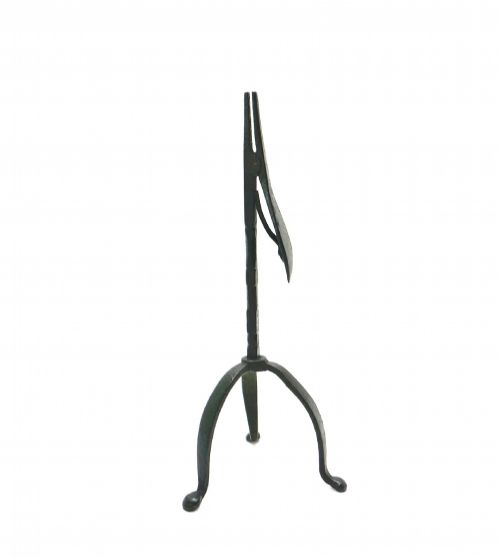


Black Wrought Iron Lights
Black wrought iron lights bring robust metalwork and period character to interiors, offering enduring utility through centuries of domestic illumination.
Black Wrought Iron Lights
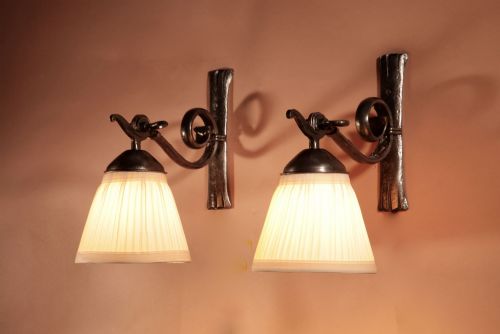
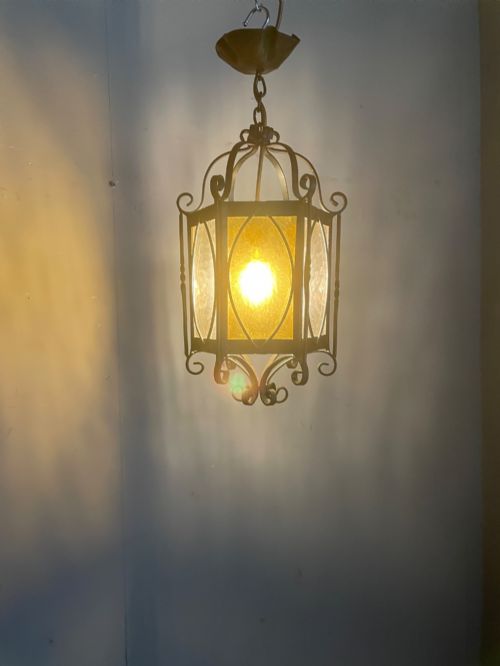
When you search for black wrought iron lights, you encounter functional ironwork spanning from rushlight holders and rushlight stands of the seventeenth and eighteenth centuries to later chandeliers, floor lamps, and wall lanterns. The surviving pieces frequently include heavy standard lamps, architectural wall lights, and hexagonal hall lanterns originating across British, French, and Italian workshops.
Floor lamps, standard lamps, and telescopic floor standing designs appear alongside ceiling lights, wall sconces, and exterior porch lanterns. The range encompasses simple domestic items and substantial castle wall lights reflecting Gothic Revival, Arts and Crafts, and Art Deco influences.
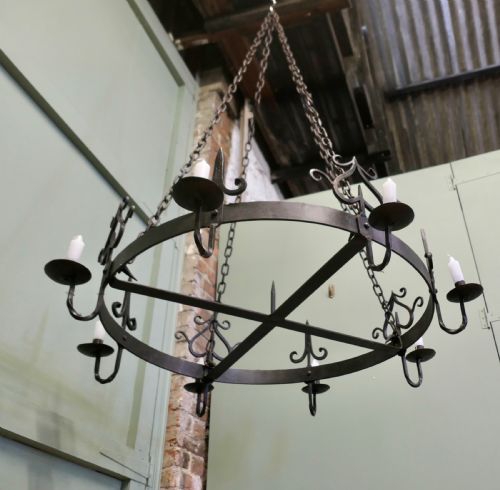
The objects combine structural iron frames with glass, brass, copper, fabric, or frosted panels, serving both indoor rooms and exterior spaces. Simpler rushlight holders sit alongside multi-branch chandeliers, wagon wheel chandeliers, and heavy candle standards.
Materials and Construction
The primary material is hand-forged wrought iron, shaped by blacksmiths using traditional heating and hammering techniques to create twisted stems, scrolling brackets, and sturdy tripod bases. Cast iron components also appear in specific twentieth-century lanterns and structural brackets.
Makers integrated glass elements, including glazed hexagonal panels, frosted glass, cut glass cage shades, and stained glass, to diffuse illumination from candles, oil, or electricity. Secondary metals such as brass and copper frequently accent the dark iron surfaces on brackets, fixings, and decorative trim.
Black Wrought Iron Lights Retail Price Guide 2026
Typical asking prices for black wrought iron lights among the pieces listed under this phrase on Sellingantiques today, from the lower quarter to the upper quarter. They describe what is for sale here now, not the wider market.
Distinctions in Quality
Quality rests upon the subtlety of the blacksmith's hand, where fluid hammer marks, clean joints, and balanced proportions distinguish bespoke work from heavier utilitarian casting. Superior pieces demonstrate precise control over scrollwork, adjustable mechanisms that operate smoothly, and well-proportioned iron sections.
The integration of secondary materials defines the tier of an object, such as the clarity of cut or stained glass panels fitted into a hall lantern, or the harmonious pairing of brass and copper details against the dark iron framework.
REVO·Degue·Hugo Berger Goberg
The Black Wrought Iron Lights Glossary
- Rushlight
- A simple lighting device utilising a peeled rush stem clamped in a metal spring jaw to burn fat or oil. These early holders date primarily from the seventeenth and eighteenth centuries.
- Standard Lamp
- A tall floor-standing lighting fixture designed to illuminate a room from standing height. Many period examples feature adjustable arms or telescopic shafts.
- Torchère
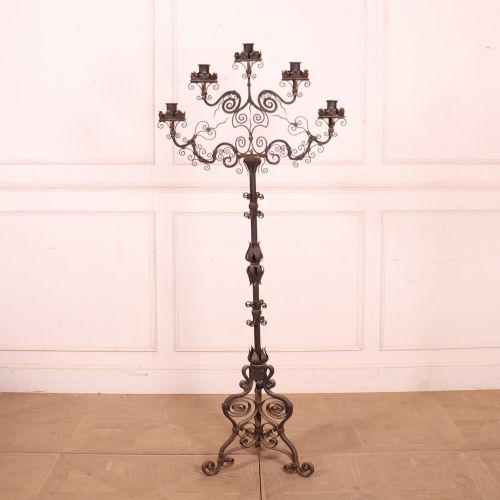
- A tall ornamental stand originally designed to carry a torch or heavy candle. In later metalwork, this translates to substantial floor-standing pricket sticks or candle holders.
- Pricket Stick
- A candlestick featuring an upward-facing spike or pricket that secures the base of a candle. These appear in ecclesiastical and domestic settings alike.
- Gothic Revival
- An architectural and decorative style drawing inspiration from medieval design. Pieces often incorporate pointed arches, heavy scrollwork, and castle-like proportions.
Black Wrought Iron Lights: Frequently Asked Questions
How do I date an iron rushlight holder?
Seventeenth and eighteenth-century rushlight holders rely on hand-forged spring action tripod bases and simple blacksmith construction. The presence of tool marks and primitive joining techniques indicates high age.
Later nineteenth-century and twentieth-century reproductions often feature more uniform machine-rolled iron and standardised fixings rather than individual forge work.
Were these lights originally electrified?
Most pieces originating before the late nineteenth century were designed for rushlights, candles, or oil before conversion to electricity later in life. Telescopic floor lamps and wall lights from the Victorian and Edwardian periods frequently show adaptations for early wiring.
Mid-twentieth-century designs from the Art Deco period often integrated electric fittings from their initial manufacture.
How do I clean wrought iron lights?
Maintenance requires gentle dusting with a dry cloth to protect the underlying dark metal surface and any applied protective wax or lacquer. Avoid harsh chemical cleaners or abrasive scouring pads that strip the historical finish.
Glass panels and shades can be removed where possible and washed in warm soapy water before drying thoroughly.