





Black Wool Rug
These black wool rug examples are woven floor coverings and textiles that bring heavy texture and deep grounded tones to an interior.
Black Wool Rug
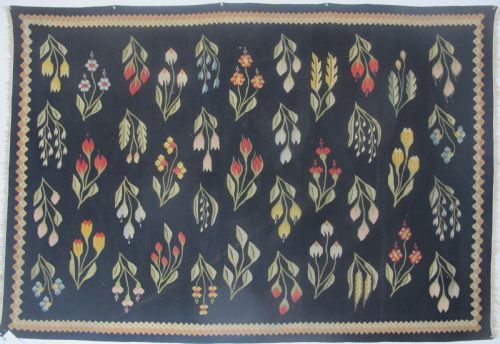
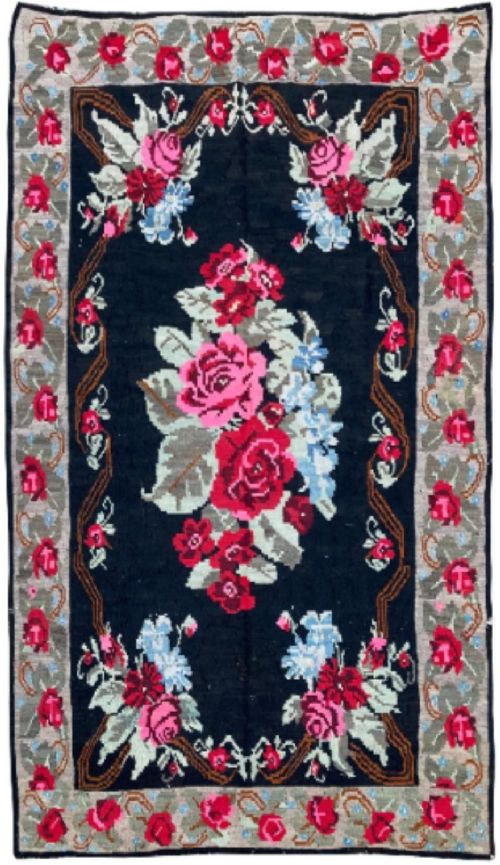
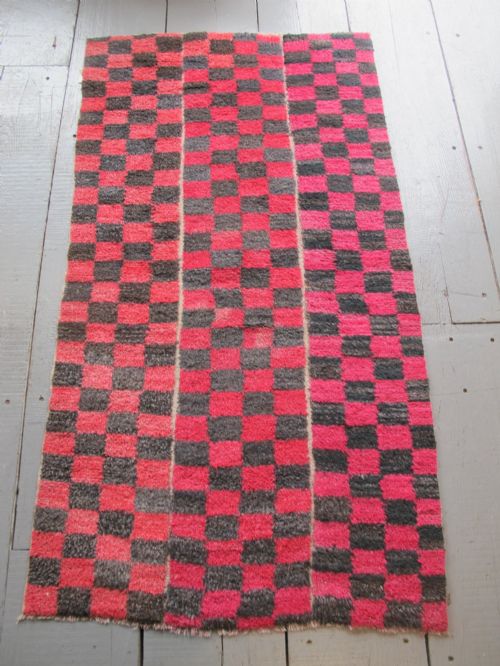
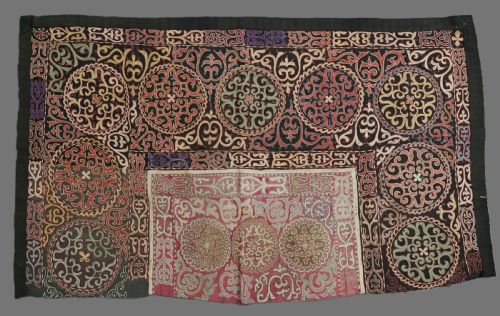
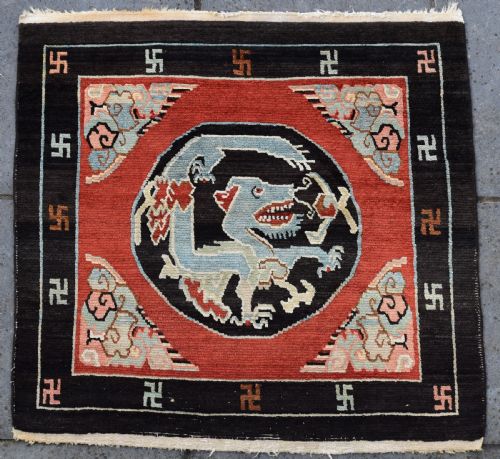
When searching for a black wool rug, you encounter a diverse collection of woven floor coverings, flatweaves, and wall hangings originating from Eastern Europe, Central Asia, and Scandinavia. The selection includes traditional kilims, meditation rugs, rya carpets, and embroidered wall hangings spanning the late nineteenth and early twentieth centuries.
The most prevalent items meeting this description are flatwoven kilims from Bessarabia, Ukraine, and the Caucasus, alongside pile rugs from Tibet and Scandinavia. These textile traditions utilise heavy wool construction, often combined with cotton, linen, or silk highlights, to create durable and decorative pieces for domestic spaces.
Originating from periods between the eighteen-eighties and nineteen-thirty, these textiles display distinct regional aesthetics ranging from floral folk art to tribal geometric motifs. Each piece reflects the specific weaving techniques and cultural heritage of its makers, whether from Central Asian nomadic tribes or Eastern European rural communities.
Assessing quality
Quality in these textiles depends on the tightness of the weave, the precision of the pattern execution, and the resilience of the natural fibres used. Tenser knotting and firmer flatweaving indicate greater durability and superior craftsmanship by the original maker.
The sophistication of the design layout and the balance of the colour palette also distinguish finer examples from standard domestic pieces. Well-executed folk art motifs and crisp geometric lines demonstrate a higher level of artisan skill.
Materials recorded in current inventory include standard wool, Tibetan wool, cotton, silk, and linen.
The Black Wool Rug Glossary
- Kilim
- A flatwoven carpet or rug produced without a pile, commonly associated with Eastern European and Caucasian traditions. These textiles rely on tightly packed horizontal weft threads pulled closely over vertical warp threads.
- Rya
- A traditional Scandinavian piled rug characterised by a deep, thick pile constructed from wool. Originally utilised for warmth, these pieces developed into decorative folk art textiles.
- Torba
- A small storage bag or trapping produced by Central Asian nomadic tribes, often featuring detailed embroidery or pile work. They were traditionally used inside yurts for household possessions.
- Ilgich
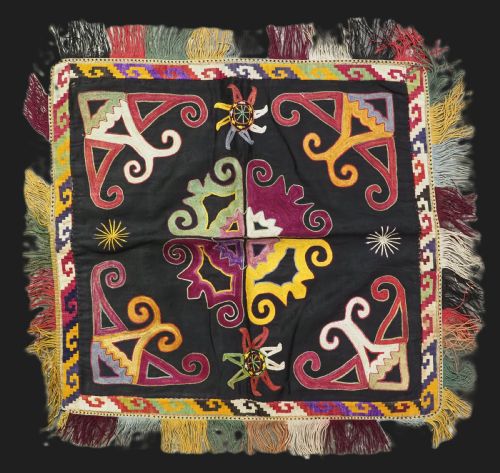
- An embroidered wall hanging or dowry piece created by Central Asian groups such as the Lakai Uzbeks. These textiles display intricate needlework symbolising family heritage and prosperity.
- Tush kyiz
- A large, elaborately embroidered wall hanging traditionally made in Kyrgyzstan by women to commemorate the marriage of a son or daughter. They feature symbolic designs celebrating local flora and domestic life.
Black Wool Rug: Frequently Asked Questions
How do I clean an antique wool rug?
Maintenance requires gentle vacuuming without a beater bar and professional specialist cleaning when necessary to protect natural fibres.
Avoid harsh chemical treatments and excessive moisture to preserve the historical dyes and wool integrity.
Can these textiles be used on the floor?
Sturdier flatweaves and pile rugs function well on floors when paired with a breathable underlay to prevent sliding.
Fine embroideries and delicate wall hangings are better suited for vertical display away from heavy foot traffic.
How do I date a vintage woven rug?
Dating relies on examining material wear, dye characteristics, structural construction methods, and stylistic regional motifs.
Comparing structural specifics against documented regional examples helps narrow down the production era.
Where were these textiles originally made?
The pieces originate from diverse regions including Eastern Europe, Central Asia, the Caucasus, and Scandinavia.
Local tribal groups and rural communities produced them for domestic utility, ceremonial use, or dowries.