


Black Wooden Stand
A black wooden stand brings dark, carved authority to a room, supporting plants, lamps, and sculptures with quiet nineteenth-century presence.
Black Wooden Stand
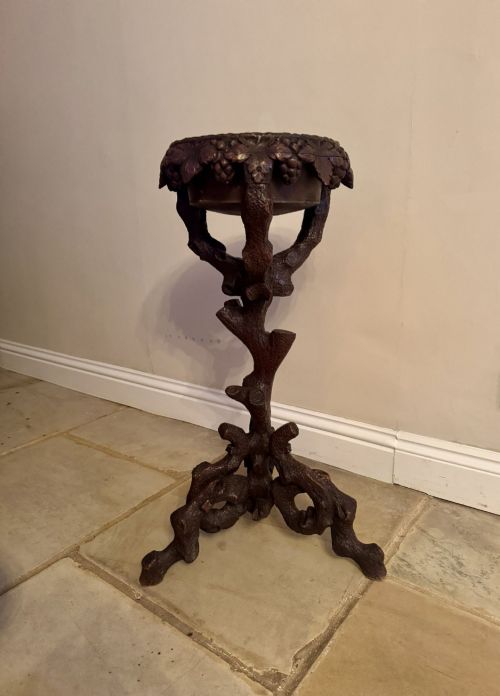
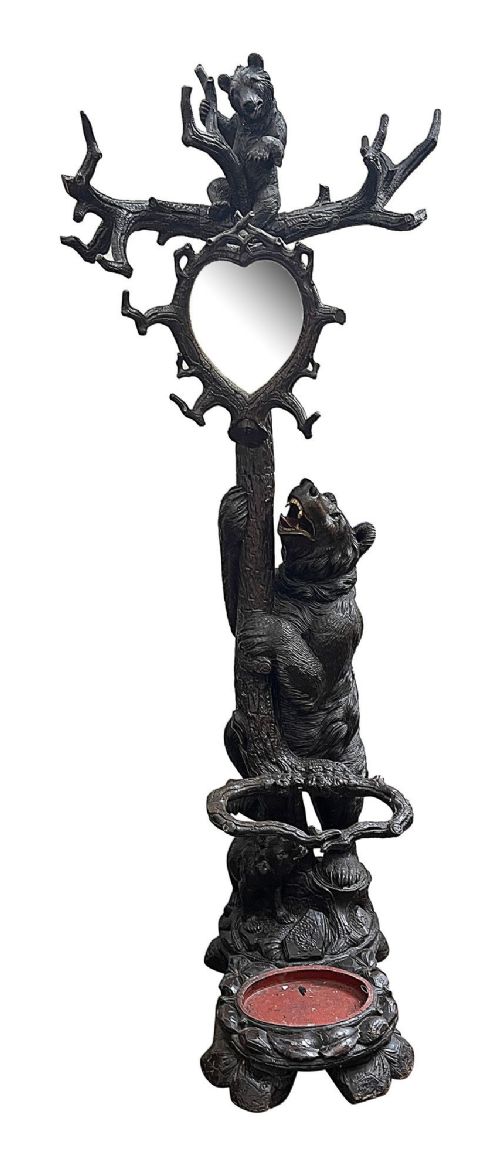
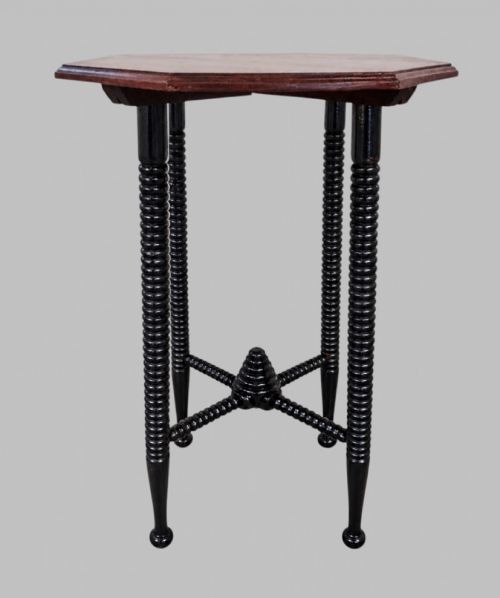
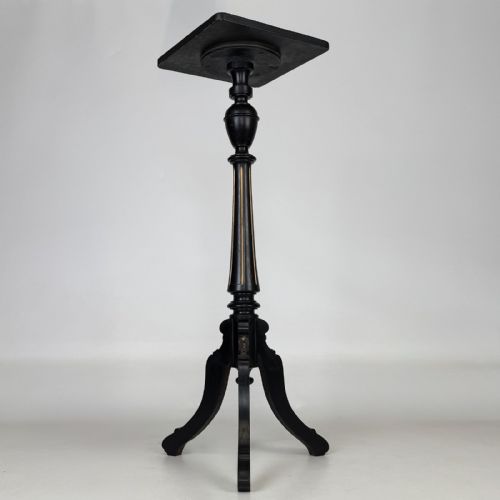
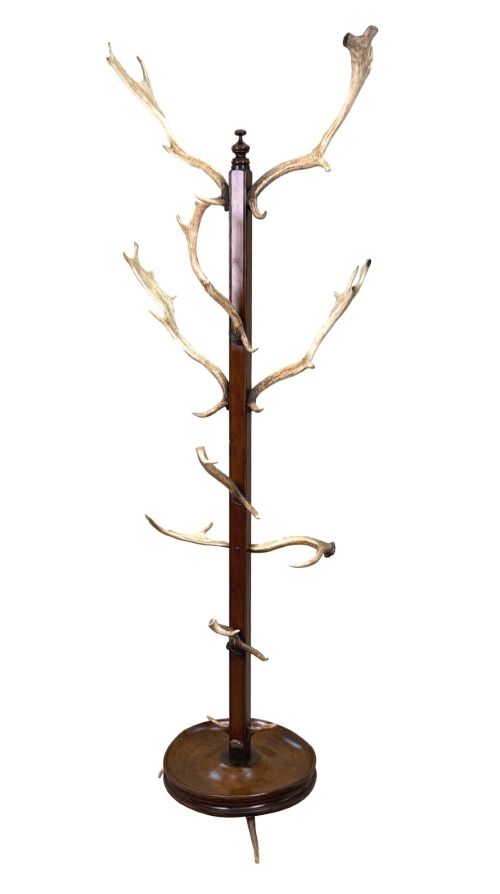
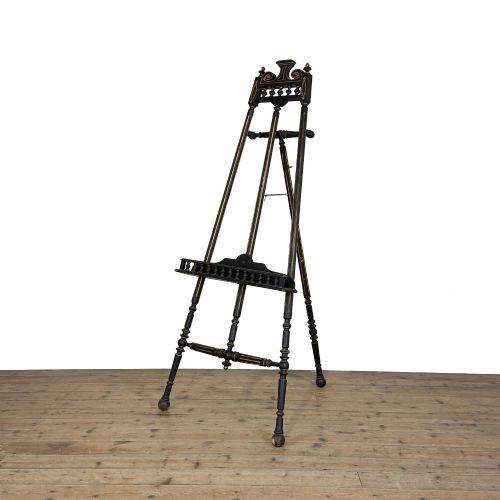
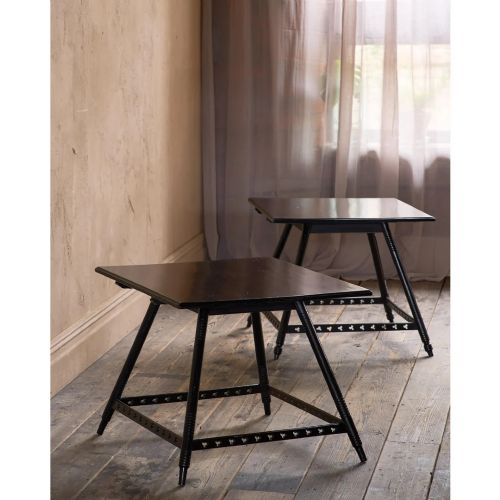
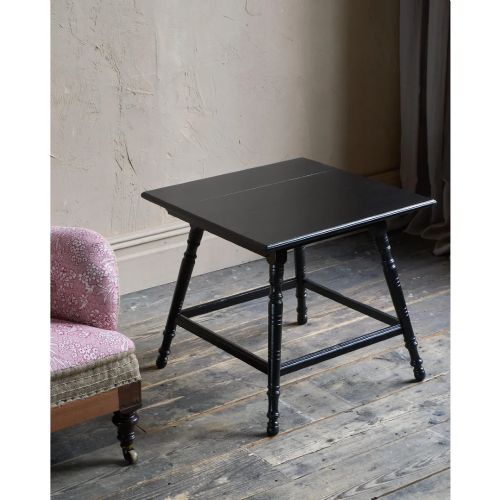
A black wooden stand serves various household functions, appearing primarily as plant supports, occasional tables, torcheres, and hall or stick stands. These items emerge from the nineteenth century through the early twentieth century, spanning Victorian, Aesthetic Movement, and Black Forest traditions.
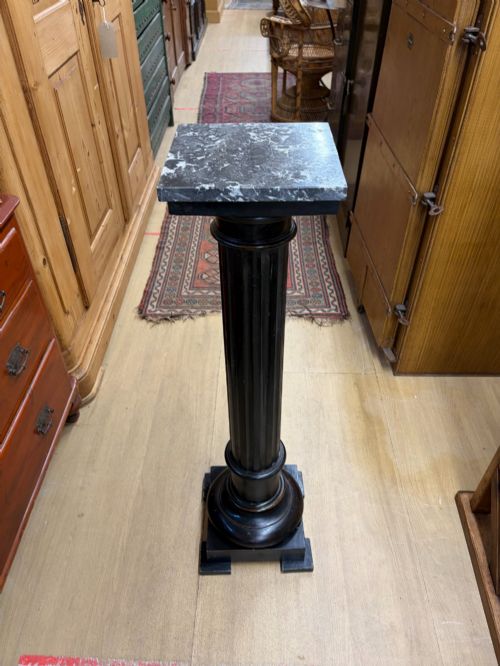
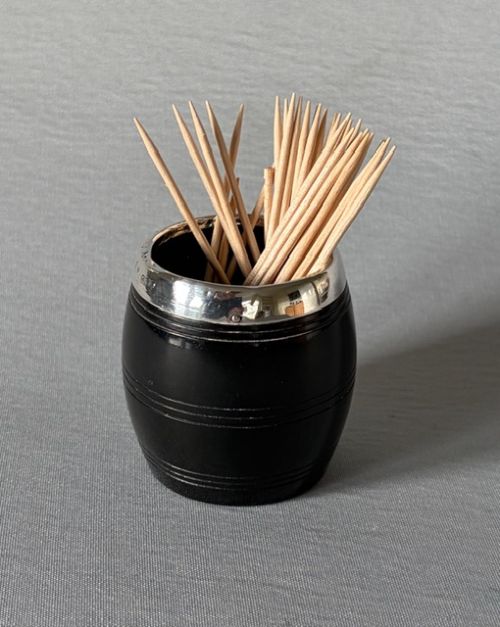
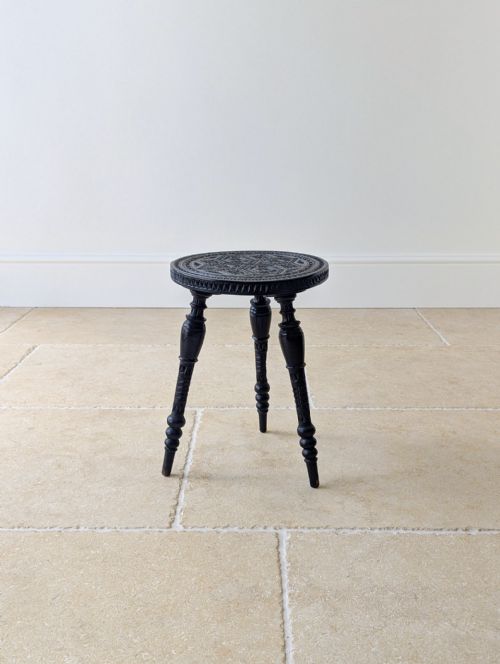
The form adapts to domestic utility and display, ranging from tripod bases and carved pedestals to low vases or figure supports. Ebonised finishes dominate the selection alongside dark hardwoods, giving each piece a uniform shadow that frames whatever sits upon it.
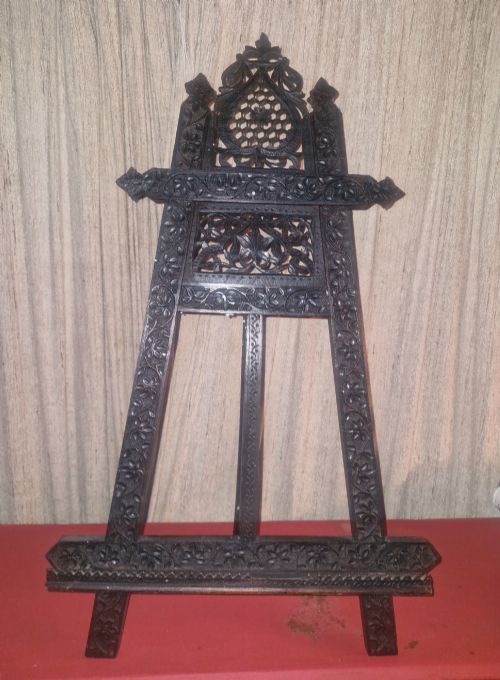
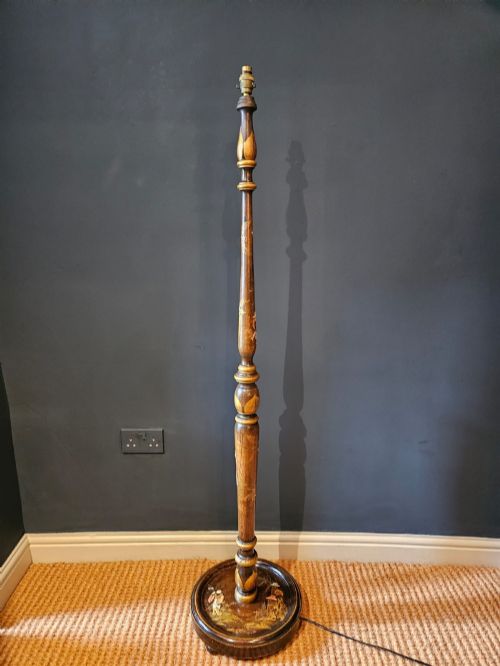
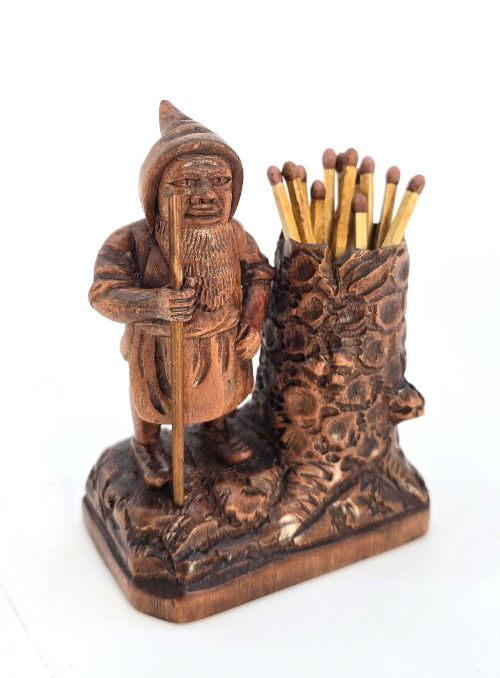
Makers often drew inspiration from Anglo-Indian, Chinoiserie, or folk art idioms, turning simple utility objects into ornamental focal points. Buyers encounter items ranging from modest turned plinths to heavily carved animal figures holding upright posts.
Materials and construction methods
Makers utilised native and imported timbers, including linden wood for deep carving, alongside general hardwoods and ebonised finishes that simulated more expensive ebony. Surface decoration frequently involved chip-carving, parcel gilt accents, and lacquer work.
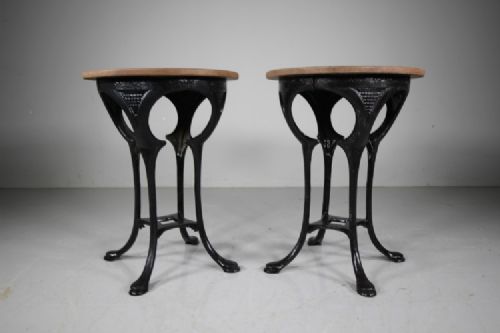
Construction techniques combine traditional joinery with applied decorative elements such as brass fittings, glass insets, and turned barley twist columns. Many pieces rely on heavy tripod bases or weighted iron elements to stabilise tall torcheres and floor-standing lamps.
Black Wooden Stand Retail Price Guide 2026
Typical asking prices for black wooden stand among the pieces listed under this phrase on Sellingantiques today, from the lower quarter to the upper quarter. They describe what is for sale here now, not the wider market.
Carved wooden owls peer from multiple listings, keeping a watchful, glassy-eyed vigil over umbrellas and books.
Assessing craftsmanship and execution
Quality rests in the depth and crispness of the carving, particularly within Black Forest figures and foliate motifs where hand-carved detail distinguishes fine studio work from commercial production. Timber selection dictates longevity, with dense hardwoods holding sharp edges far better than softer alternatives.
Proportion and stability separate standard utility pieces from masterworks, especially in tall floor-standing lamp standards and torcheres where slender columns require precise balancing. The integrity of the ebonised surface or lacquer layer further indicates original care and workshop origin.
Hindley and Sons·Archibald Knox·Henry Ogden and Son
The Black Wooden Stand Glossary
- Ebonised
- Wood stained or painted to resemble genuine ebony, a technique popular during the Victorian and Aesthetic periods.
- Torchere
- A tall ornamental stand or candlestick designed to hold a lamp, light source, or decorative object.
- Chip-carving
- A style of relief carving where small chips are removed from a flat surface in geometric patterns.
- Chinoiserie
- European decorative art imitating Chinese artistic styles, often featuring lacquered finishes and painted motifs.
- Plinth
- A heavy flat-topped base or block supporting a statue, vase, or column.
Black Wooden Stand: Frequently Asked Questions
What is a black wooden stand used for?
These pieces function as pedestals for displaying plants, lamps, or decorative objects within a room.
They also serve as practical furniture forms like hall stands, umbrella holders, and small occasional tables.
How do I date a black wooden stand?
Dating relies on stylistic clues such as Victorian ebonising, Aesthetic Movement geometry, or specific folk art carvings.
Construction marks and material choices from the nineteenth and early twentieth centuries help narrow the production era.
Are these stands made of solid ebony?
Most pieces utilise common hardwoods or softwoods finished with an ebonised coating rather than solid ebony timber.
This technique achieved a dark, uniform appearance while keeping the objects structurally sound and economically viable.
What styles are common in these stands?
Common aesthetics include the organic animal carvings of the Black Forest tradition and the structured forms of the Aesthetic Movement.
Anglo-Indian and Chinoiserie influences also appear through imported motifs, lacquering, and intricate surface decoration.