





Black Wooden Settle
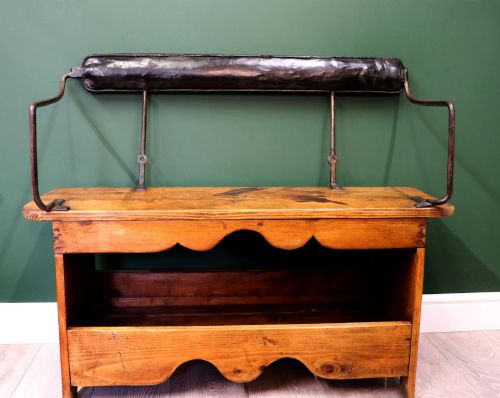
These black wooden settle examples span regional folk traditions and formal Victorian halls, offering sturdy seating with built-in storage.
Black Wooden Settle
When buyers search for a black wooden settle, they find long, high-backed benches designed to shield occupants from draughts in corridors, grand halls and cottage interiors. The pieces appearing here range from robust country pine three-seater benches to carved hardwood hall seats.
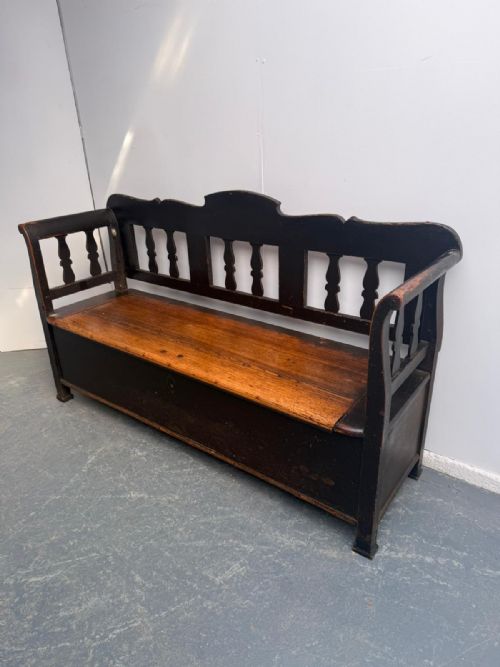
The most common versions met on this page belong to the Victorian and Edwardian eras, alongside regional pieces such as Hungarian painted pine benches and Irish country house hall benches. These forms combine utility with striking dark finishes, whether through ebonised timber, dark oak or applied black paint.
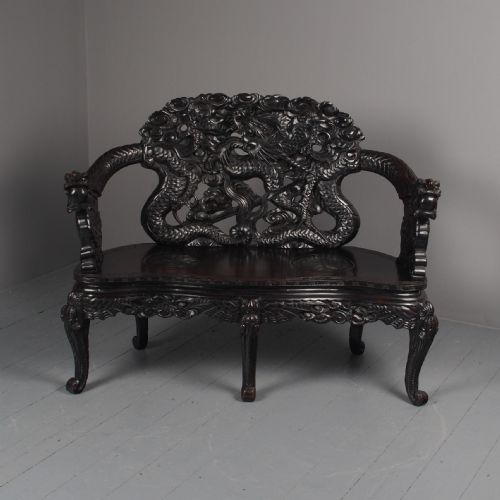
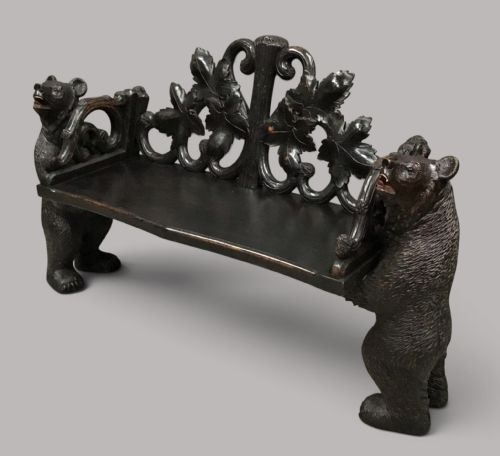
Makers utilised various regional vernaculars, producing everything from rustic country seats to elaborate Black Forest bear carvings and Aesthetic Movement designs with sunflower motifs. Each object serves as a substantial focal point for an entranceway or living space.
How they were made
Makers constructed these settles primarily from solid timbers like oak, pine and hardwood, building heavy frames designed to withstand generations of daily use. Joinery techniques varied from traditional pegged joints in country pine to intricate relief carving in hardwood and Black Forest workshops.
Surfaces received dark treatments including ebonised finishes, traditional black paint and deep dark oak stains that highlighted the grain or provided a uniform sombre tone. Some examples incorporated iron hardware, leather, fabric or painted decoration such as sunflower motifs to complement the timber structure.
Black Wooden Settle Retail Price Guide 2026
Typical asking prices for black wooden settle among the pieces listed under this phrase on Sellingantiques today, from the lower quarter to the upper quarter. They describe what is for sale here now, not the wider market.
Several settles feature carved bears keeping a permanent wooden watch over your hallway boots and umbrellas.
What varies in quality
Quality in these benches rests on the integrity of the timber construction, the depth of the carving and the originality of the black finish or paint. Higher-tier examples display crisp hand-carving, such as figurative Black Forest bear motifs or detailed Aesthetic Movement panels, rather than plain utilitarian boarding.
The sophistication of the regional design also distinguishes the pieces, separating simple vernacular pine seating from ambitious country house hall benches and carved hardwood settles. Surviving original painted surfaces or patinated dark oak finishes command greater appreciation than later, unsympathetic overpainting.
The Black Wooden Settle Glossary
- Settle
- A wooden bench with a high back, solid arms and frequently a box base for storage beneath the seat. This form evolved to keep draughts away from people sitting near the hearth or in cold halls.
- Black Forest
- A style of wood carving originating in the Brienz region of Switzerland during the nineteenth century, known for realistic animal figures like bears incorporated into furniture. These pieces often served as dramatic hall seats.
- Ebonised timber
- Wood treated with chemical stains or dark finishes to imitate expensive ebony. This technique gained popularity during the Victorian period for formal and Aesthetic Movement furniture.
- Hall bench
- A narrow seating item placed in entrance halls, offering a spot to sit while removing outerwear. They often lack the deep storage box of traditional farmhouse settles.
Black Wooden Settle: Frequently Asked Questions
Where did people use settles?
These benches traditionally stood in entrance halls, kitchens and large reception rooms to accommodate multiple people while blocking cold air drafts.
In grander settings, they functioned as formal hall seats where visitors waited before entering the main rooms of the house.
How do I tell periods apart?
Georgian and early country pieces often utilise solid painted pine with simple regional construction, reflecting vernacular traditions.
Victorian and later items frequently showcase heavier dark oak, ebonised surfaces, or elaborate carved details associated with Black Forest and Aesthetic Movement styles.
Are these benches comfortable?
Most historic settles feature rigid wooden seats and high upright backs designed for posture and draught exclusion rather than lounging.
Owners commonly add loose cushions or pads to soften the wooden surface for everyday seating in modern living spaces.
What is a Black Forest bench?
These distinctive seats incorporate detailed animal carvings, most notably bears, into the structural woodwork of the backrest or arms.
Originating in nineteenth-century Switzerland, they served as statement pieces for large Victorian entrance halls.