


Black Painted Sign
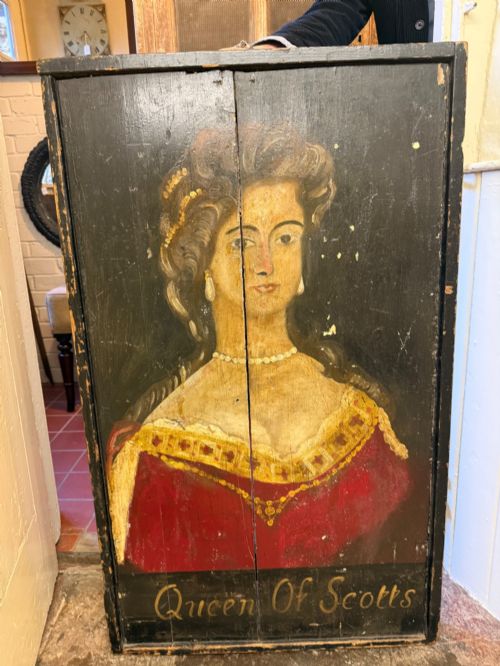
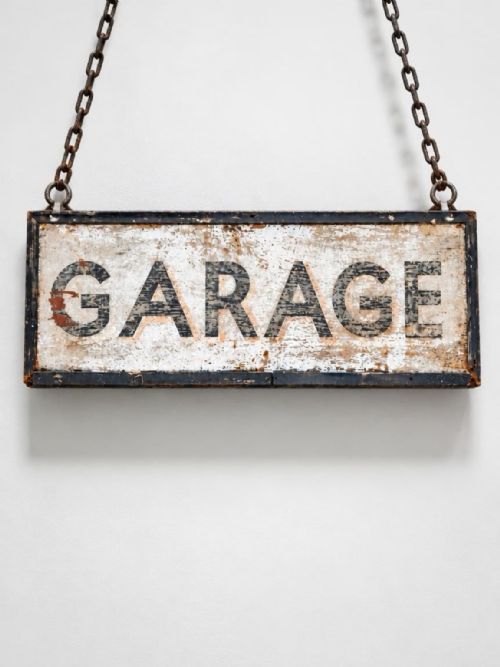
A black painted sign delivers direct instruction, trade identity, or public notice through enduring lettering on timber, metal, or glass.
Black Painted Sign
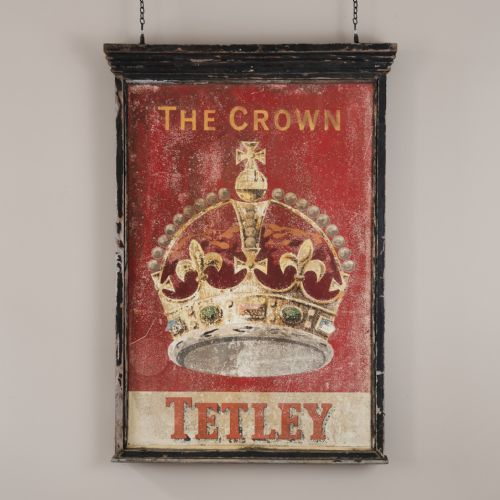
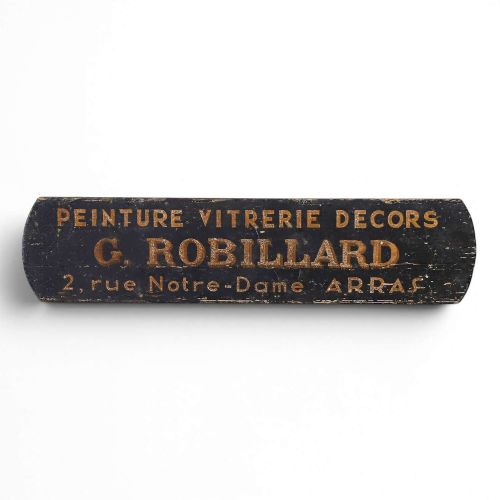
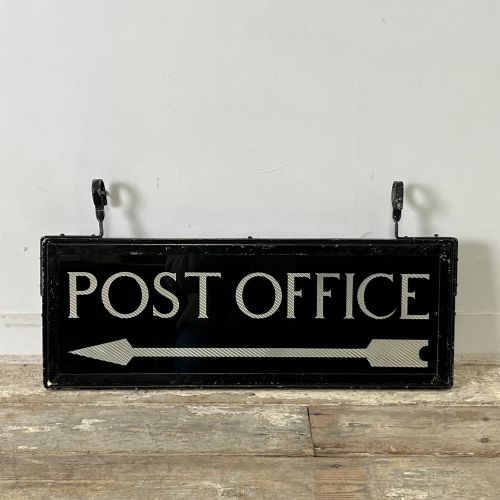
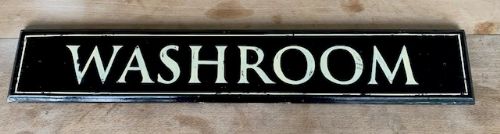
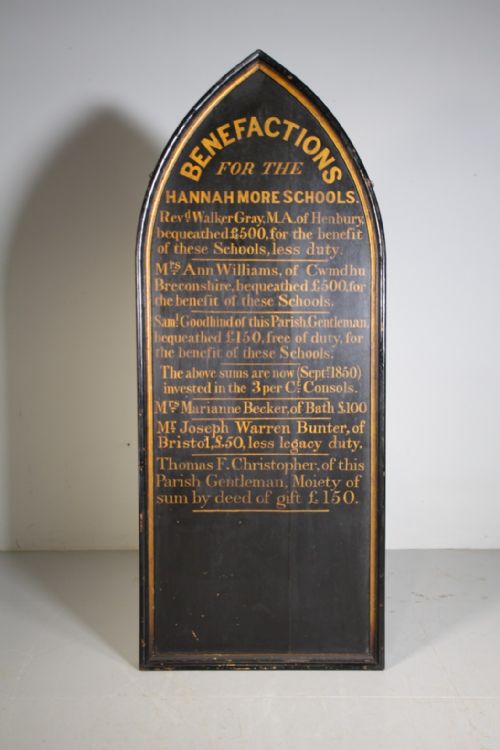
When you search for a black painted sign, you encounter utility boards, pub markers, street plates, and trade notices spanning from the nineteenth century into the mid-twentieth century. These objects served functional roles in commerce, transport, and local administration before being retired from active service.
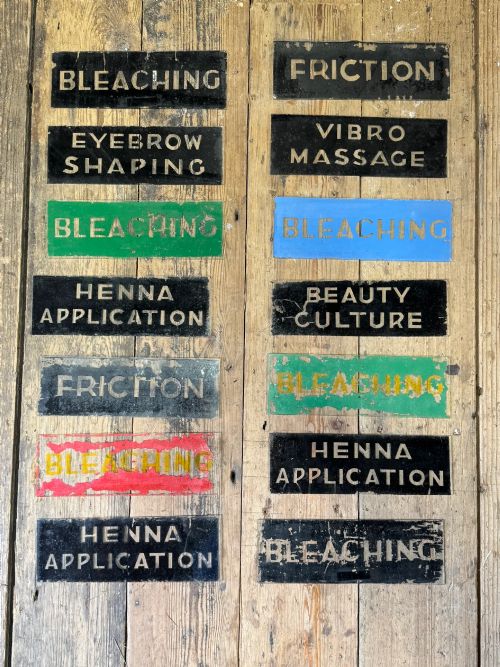
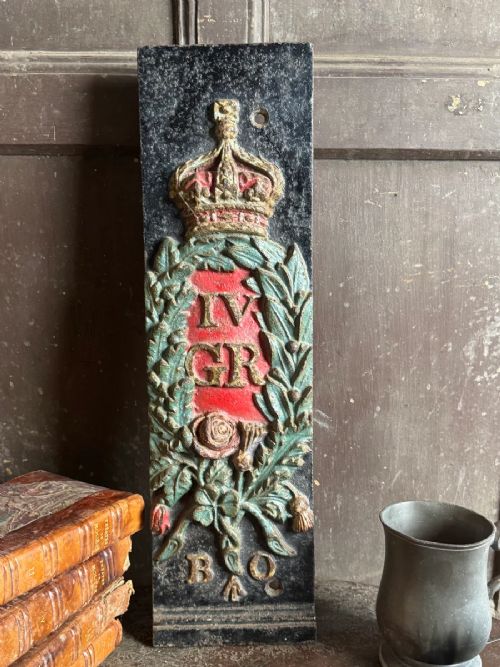
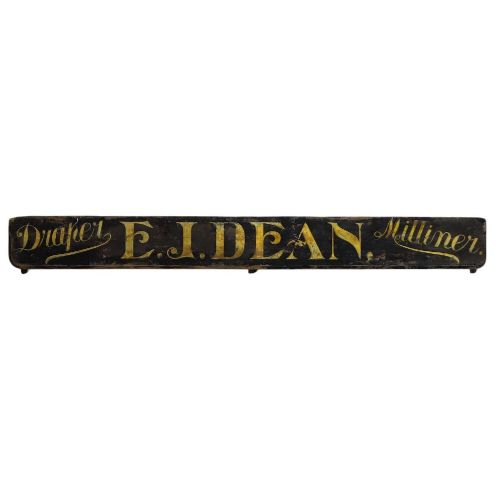
Wooden boards and glass panels dominate the selection, often carrying hand-lettered typography or gold leaf details that declare a shopkeeper's trade or direct public movement. Industrial examples in cast iron and ironmongery also appear, designed to withstand weather and heavy daily use.
Origins stretch across British, French, and wider European workshops, reflecting local lettering traditions and regional trade requirements. The survival of original paint surfaces and hand-applied signwriting gives each piece distinct character rooted in practical craftsmanship.
Materials and construction
Pine and hardwoods form the structural base for many boards, prepared with dark ground paint to receive hand-mixed lettering in cream, white, or gold leaf. Signwriters applied lead-based or oil paints that cured to a tough finish capable of enduring outdoor exposure.
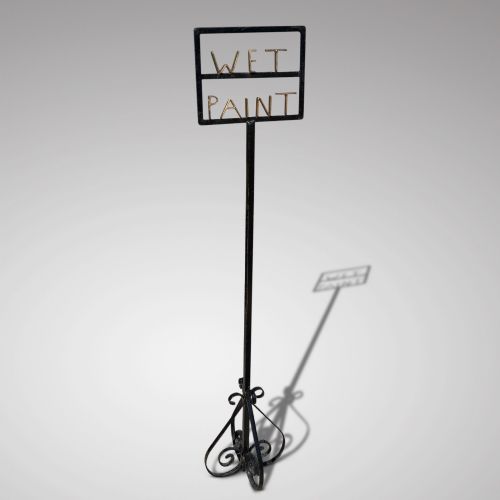
Metal items utilise cast iron or wrought iron, often moulded with raised lettering or armorial details before receiving protective coats of black paint. Glass panels employ reverse-painting techniques, applying pigment and gilt to the rear side to protect the glossy finish from wear.
Black Painted Sign Retail Price Guide 2026
Typical asking prices for black painted sign among the pieces listed under this phrase on Sellingantiques today, from the lower quarter to the upper quarter. They describe what is for sale here now, not the wider market.
Evaluating craftsmanship
The precision and confidence of the brushwork separate utilitarian boards from superior examples of commercial art. Master signwriters achieved balance and proportion in their lettering without mechanical aids, creating visual harmony within strict spatial limits.
Originality of surface finish dictates the desirability of a piece. Retained layers of weathering, authentic craquelure, and untouched ground paint indicate a genuine working life, whereas heavy modern overpainting obscures the historic hand of the maker.
R.D. Roberts·Franz Bergman
The Black Painted Sign Glossary
- Reverse painting
- A technique where design elements and lettering are applied to the back side of a glass sheet so the front presents a smooth, reflective surface. This method protected fragile pigments from the elements in shop windows.
- Signwriting
- The professional trade of hand-lettering commercial notices, fascias, and vehicles using specialised brushes and oil-based paints. Practitioners relied on steady hands and deep knowledge of typographic spacing.
- Gold leaf
- Extremely thin sheets of beaten gold applied to a prepared adhesive size on wood or glass surfaces. It provided brilliant contrast against dark painted backgrounds.
- Armorial plaque
- A cast metal or painted board displaying heraldic coats of arms or official civic insignia. These marked government property, institutions, or authorized establishments.
- Trade sign
- A functional exterior marker used by shopkeepers, inns, and tradesmen to advertise their specific calling to passing pedestrians. They often took pictorial or bold typographic forms.
Black Painted Sign: Frequently Asked Questions
What were black painted signs used for?
These items directed the public, advertised trades, and marked commercial premises or official buildings. They functioned as permanent outdoor or indoor communications before modern illuminated plastic signage became common.
Businesses such as drapers, post offices, hair salons, and pubs relied on them to establish identity and convey rules or directions clearly to the street.
How do I care for an antique painted sign?
Keep these objects away from direct sunlight, high humidity, and extreme temperature fluctuations to prevent the wood from warping and the paint from flaking. Dust them gently with a dry, soft cloth.
Avoid using water, chemical solvents, or abrasive cleaners on the surface, as original historical paint layers and gold leaf are delicate and easily damaged.
How can I tell the age of a sign?
Examine the base material, fixings, and the composition of the paint layers under magnification. Hand-sawn timber boards, hand-forged iron brackets, and traditional lead-based paints point toward nineteenth or early twentieth-century manufacture.
Typographic style also offers strong clues, as specific lettering forms, serif treatments, and spacing conventions shifted distinctly between the Victorian era and the interwar period.
Are these signs weatherproof for outdoor display?
Most antique signs spent decades exposed to the elements, but surviving examples have delicate historic surfaces that suffer further outdoors. Rain, frost, and UV light will accelerate the degradation of original paint and timber.
Displaying them inside protects the remaining pigment and substrate from active decay while preserving the authentic patina accumulated during their working life.