





Black Oak Furniture
Black oak furniture encompasses heavily carved and ebonised timber pieces designed to anchor a room with serious presence and dark texture.
Black Oak Furniture
When searching for black oak furniture, buyers encounter darkly finished and ebonised timber pieces spanning the eighteenth, nineteenth, and early twentieth centuries. These range from utilitarian seating and benches to elaborate storage units, cabinets, and desks.
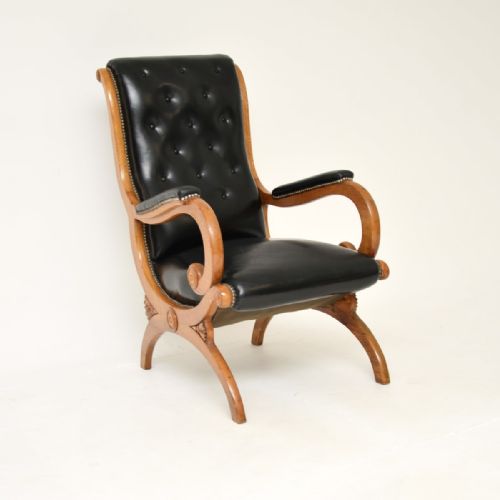
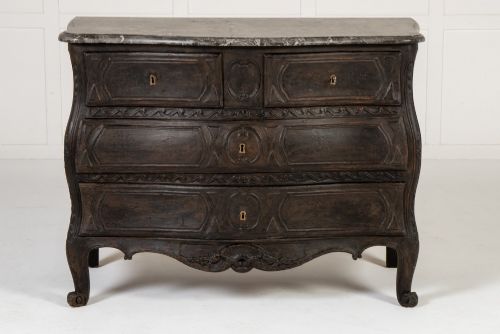
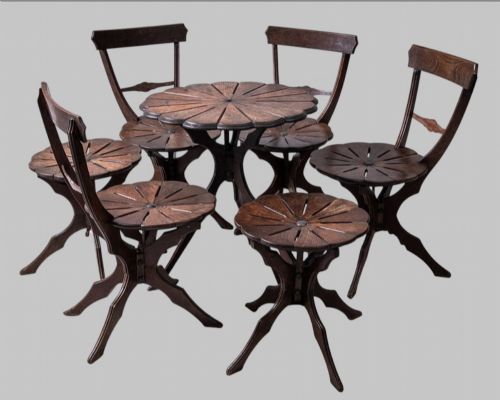
The domestic forms appearing most frequently include chests of drawers, side chairs, and desks, often carrying regional European characteristics such as Black Forest or Alpine carving. Ebonised surfaces and dark timber finishes dominate the visual identity of these items across various historical periods.
Many examples combine structural oak with specialised surface treatments or applied pigments to achieve the characteristic deep black tone. Stylistic influences stretch from Victorian and Gothic revivals through to Aesthetic Movement and industrial designs.
How they were made
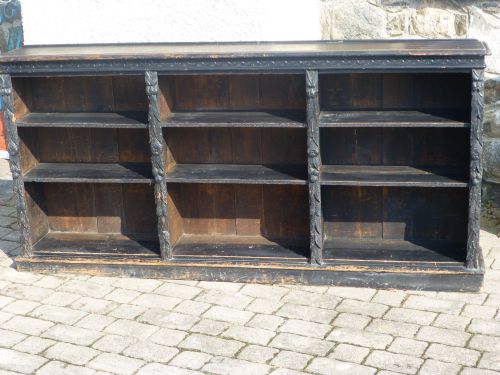
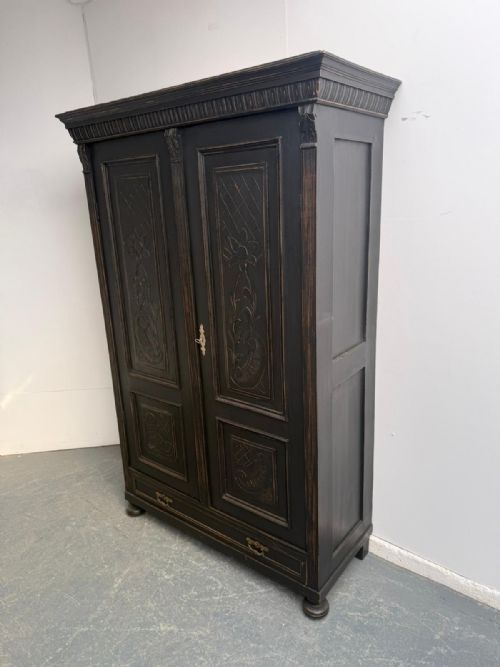
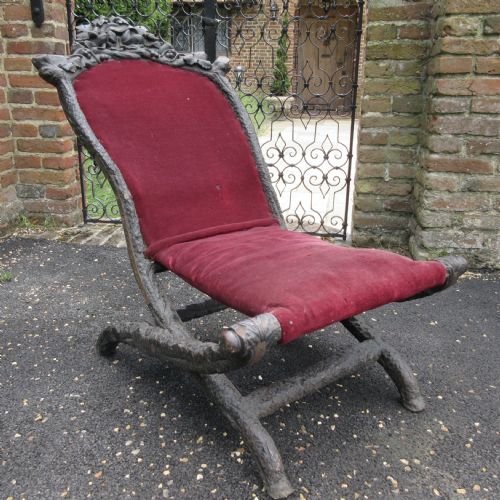
Construction relies heavily on solid oak and ebonised wood, sometimes combined with secondary timbers like pine or burr oak veneers. Carved details are executed directly into the dense grain, creating high-relief motifs such as foliage, animals, and architectural elements.
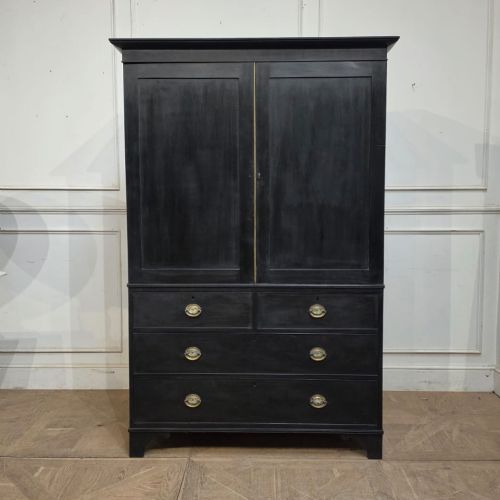
Surface finishes involve ebonising techniques, painting, or japanning to darken the natural wood substrate. Iron, brass, and marble elements frequently appear alongside the timber framework to provide functional hardware or contrasting tabletops.
Black Oak Furniture Retail Price Guide 2026
Typical asking prices for black oak furniture among the pieces listed under this phrase on Sellingantiques today, from the lower quarter to the upper quarter. They describe what is for sale here now, not the wider market.
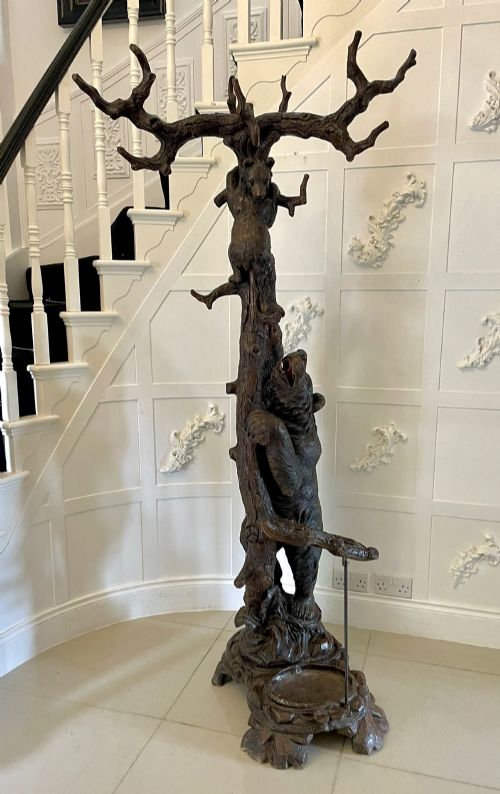
Several items feature carved woodland bears peering out from hall stands and music racks.
What varies in quality
Quality rests primarily on the depth and crispness of the carving, particularly in figurative or pictorial works where hand execution dictates the piece's character. Finer examples maintain structural integrity without excessive replacement of original hardware or panels.
The cohesion of the design distinguishes superior items, whether through balanced proportions in larger cabinets and desks or through deliberate restraint in ebonised surfaces. Authenticity of the period finish and the integration of secondary materials like marble or brass further separate standard production from exceptional pieces.
Garnett & Sons·Krieger of Paris·Trussant & Cie·Jones Sewing Base
The Black Oak Furniture Glossary
- Ebonised
- Wood treated with stain, dye, or paint to imitate expensive ebony. This dark finish gained immense popularity during the Victorian and Aesthetic periods.
- Japanning
- A European imitation of East Asian lacquer work applied to furniture surfaces. It involves layered varnish techniques often finished in black.
- Commode
- A low French chest of drawers or cabinet designed for domestic storage. Eighteenth-century versions often feature bombe profiles and marble tops.
- Partners Desk
- A large double-sided writing table designed for two people to work opposite one another. These often incorporate substantial timber construction and fitted drawers.
- Escabelle
- A traditional type of European wooden chair featuring a high back and solid panel construction. They frequently display folk art carvings.
Black Oak Furniture: Frequently Asked Questions
How do I care for ebonised oak furniture?
Keep dark wood surfaces away from direct sunlight and excessive heat sources to prevent the finish from fading or cracking.
Dust regularly with a soft, dry cloth and avoid harsh chemical cleaners that can strip the ebonised surface.
Are these pieces made of solid oak?
Many items utilise solid oak or ebonised wood for their primary structural frames and carved decorative elements.
Some larger case pieces and desks incorporate secondary timbers or veneers alongside the main oak construction.
What styles are common in this category?
The selection includes Victorian, Gothic revival, Aesthetic Movement, and regional European styles like Black Forest and Alpine folk art.
Each style brings distinct decorative motifs, ranging from intricate animal carvings to clean ebonised geometric lines.
How can I tell the period of a piece?
Dating relies on examining construction methods, hardware types, joinery, and the specific decorative vocabulary associated with nineteenth-century or earlier movements.
Maker labels or stamps, when present, provide definitive clues to the exact workshop of origin.