



Black Metal Tin
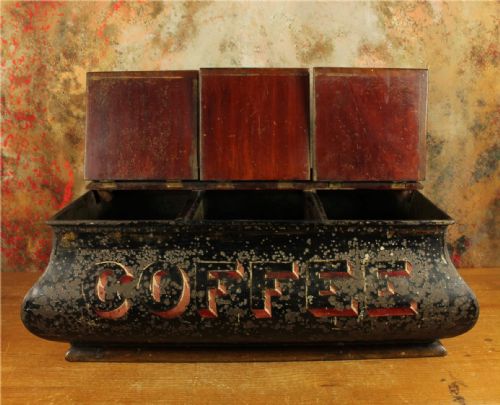
These black metal tin items are painted metal storage pieces and containers, offering both practical utility and decorative historical charm.
Black Metal Tin
When buyers search for black metal tin items, they encounter a diverse selection of painted metalware spanning the Georgian, Victorian, and early twentieth century periods. These pieces include storage boxes, document tins, hat boxes, tea canisters, trays, and wall lanterns.
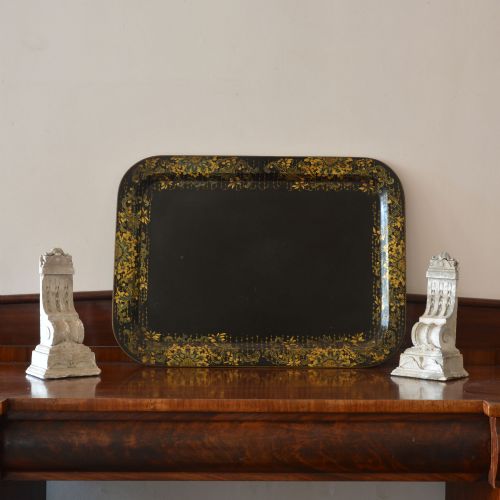
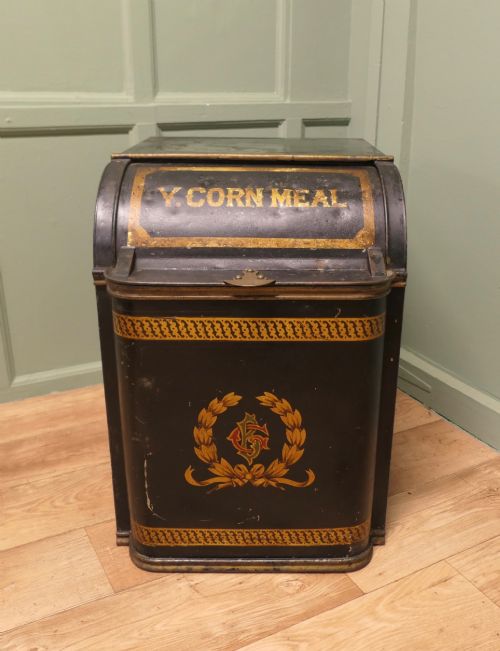
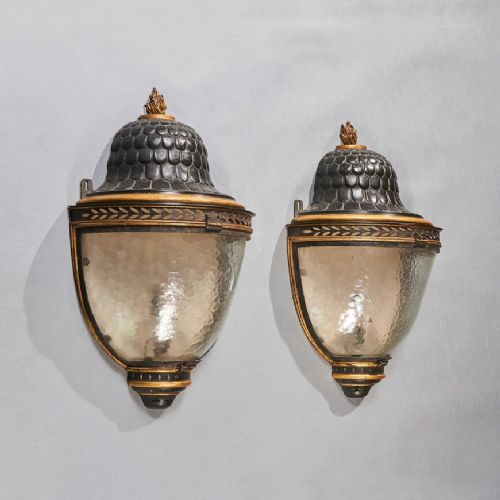
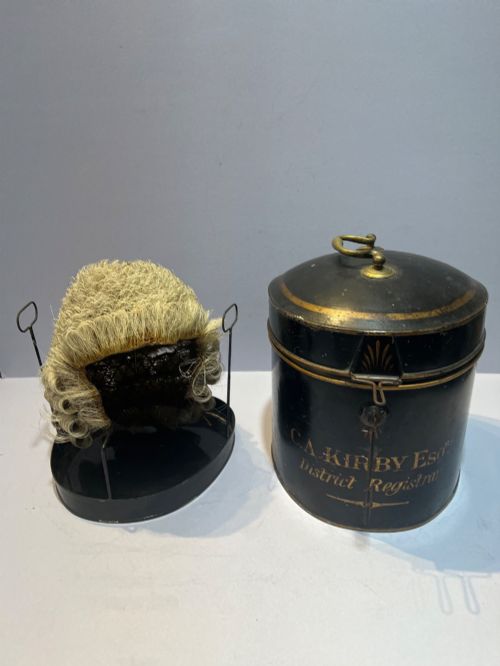
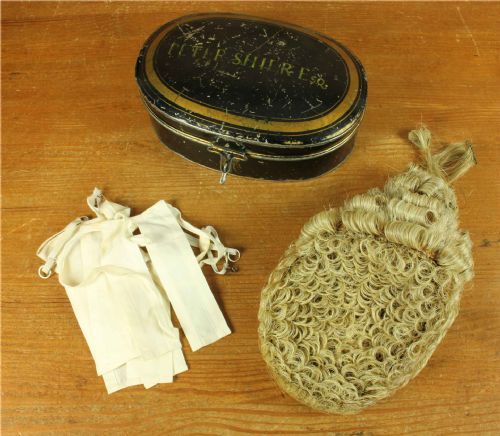
Forms range from utilitarian barrister wig cases and solicitor document tins to decorative French tole peinte wall lanterns and Regency chestnut urns. Each piece demonstrates the intersection of functional metalwork and decorative painting.
How they were made
Construction relies primarily on metal and tinplate fashioned into rigid forms suitable for storage and daily use. Artisans shaped sheet metal into boxes, trays, and cylindrical containers.
Decoration is achieved through paint, toleware techniques, and occasional parcel gilt accents. Handpainted surfaces on toleware and tole peinte items often feature traditional motifs, whilst specific pieces incorporate brass fittings or horsehair details.
Black Metal Tin Retail Price Guide 2026
Typical asking prices for black metal tin among the pieces listed under this phrase on Sellingantiques today, from the lower quarter to the upper quarter. They describe what is for sale here now, not the wider market.
Barristers once stored their formal horsehair wigs in specially fitted black metal tins.
What varies in quality
Quality in these items rests upon the preservation of the original painted surface and the crispness of any handpainted details. Pieces with intact, undisturbed decoration command greater interest than those with significant paint loss.
Construction robustness and the subtlety of form also distinguish finer examples from standard utilitarian items. Superior pieces display refined shaping, such as shaped bowls or parcel gilt wall lanterns, rather than purely industrial execution.
Eade & Son·Ravenscroft Law
The Black Metal Tin Glossary
- Toleware
- Painted or lacquered metalware, typically tinplate, developed to emulate Asian lacquer techniques. It became popular for domestic accessories during the Georgian and Victorian periods.
- Tole Peinte
- Painted tinware, often associated with French decorative items such as wall lanterns and trays. The term describes objects featuring fine painted decoration on metal.
- Tinplate
- Sheet iron or steel coated with tin to prevent rusting. This material served as the foundational substrate for numerous nineteenth-century storage boxes and document tins.
- Parcel Gilt
- A decorative treatment where specific portions of an object are highlighted with gold leaf. This technique appears on finer toleware items to accentuate moulded or raised details.
Black Metal Tin: Frequently Asked Questions
What are black metal tin items?
Black metal tin items encompass painted metal containers, storage boxes, document tins, and trays produced primarily during the nineteenth century. They served practical functions in homes, legal offices, and military contexts.
Surviving examples demonstrate the durability of metalwork combined with traditional decorative painting techniques such as toleware.
How were solicitor document tins used?
Solicitor document tins held legal papers, deeds, and important records securely within law offices. Their robust metal construction protected contents from fire, moisture, and pests.
Many feature painted finishes and labels indicating the original client or firm associated with the documents.
How do I care for antique toleware?
Antique toleware requires gentle handling to preserve the delicate painted surfaces. Keep items away from direct sunlight and excessive moisture to prevent paint flaking.
Dust lightly with a soft, dry cloth and avoid using chemical cleaning agents or abrasive materials.
How can I tell Victorian tins apart?
Victorian tins can be distinguished by their specific forms, intended uses, and decorative styles. Legal wig cases and military hat boxes feature specialised shapes tailored to their contents.
Examination of the painted finish, hardware materials like brass, and any maker inscriptions helps determine the period and origin.