
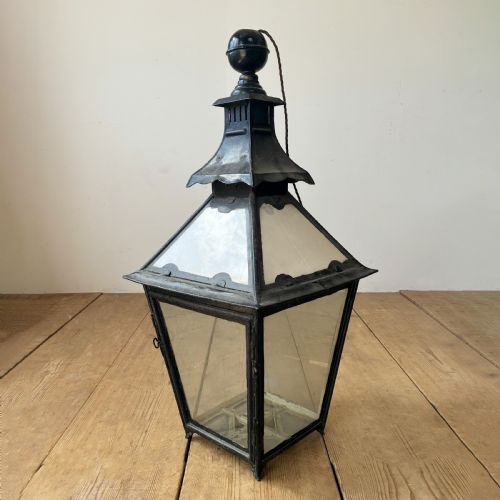


Black Metal Lighting
Black metal lighting brings weight and structural honesty to a room through lanterns, standard lamps, and ceiling lights shaped from iron and steel.
Black Metal Lighting
Black metal lighting encompasses heavy utility pieces and decorative fixtures originating from the nineteenth and twentieth centuries. Buyers seeking black metal lighting encounter objects ranging from blacksmith-made iron floor lamps to factory lights and railway oil lamps.
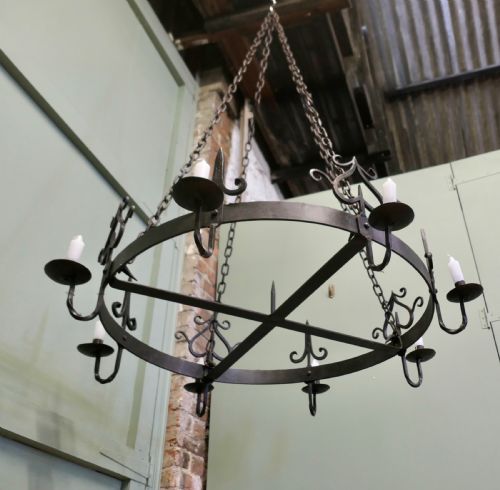
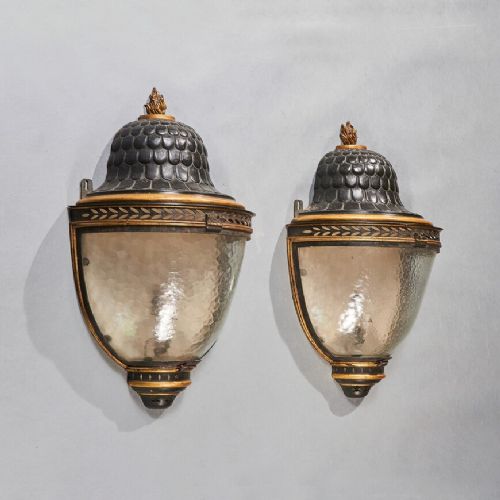
The selection on this page leans heavily toward utilitarian and architectural forms, including wrought iron standard lamps, carriage lanterns, and cast iron wall lights. These pieces cross diverse aesthetics, spanning Victorian Gothic, Art Deco, and early industrial design.
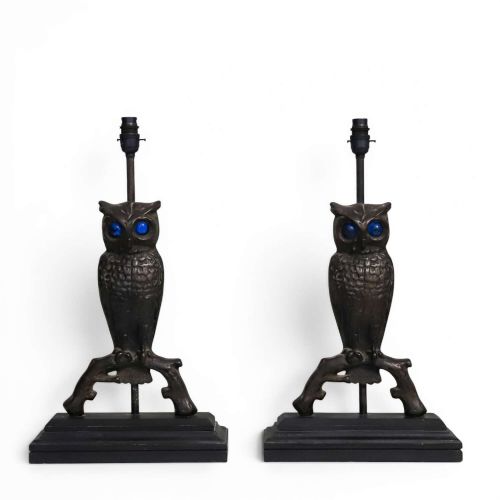
Floor lamps, desk lamps, and ceiling lanterns form the core of the available types. Many arrive adapted from earlier practical items, such as railway signals and andirons turned into table lamps.
Materials and construction
Makers utilised wrought iron, cast iron, and steel as the primary structural foundations for these luminaires. Blacksmiths forged iron by hand, resulting in visible hammer marks and robust joints that define the period character.
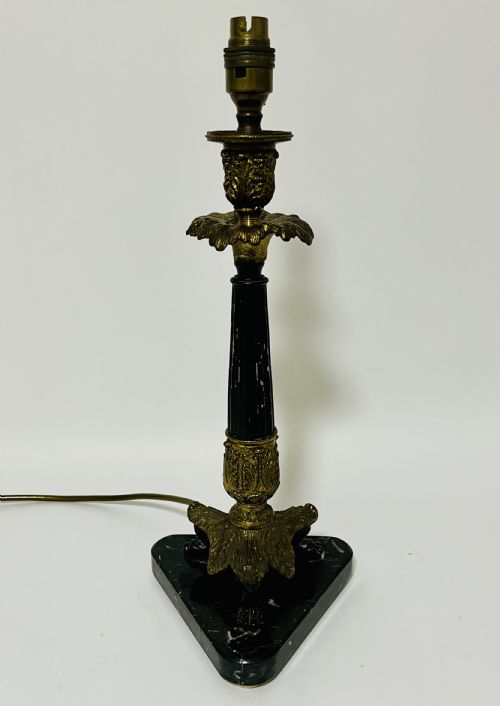
Cast iron components provided intricate detail for ceiling lights and base mounts through industrial casting methods. Combining these dark metals with glass, brass accents, and occasional marble or fabric shades balanced the heavy visual weight of the ironwork.
Listings feature items spanning the nineteenth century through the 1950s, incorporating materials like wrought iron, brass, marble, and glass.
Judgments of quality
The division between standard utility items and superior examples rests on the dexterity of the metalwork and the integrity of the design. Hand-forged wrought iron with considered proportions and authentic period fixings represents the upper tier of production.
Signatures of workshop production, such as blacksmith-made signatures or documented railway and street lamp plates, elevate specific pieces. Original surface patination and honest conversion work maintain the historical value of items adapted from earlier utilitarian roles.
Foster & Pullen·Hugo Berger Goberg·Rubralux·Dressel
The Black Metal Lighting Glossary
- Wrought iron
- Iron beaten into shape by a blacksmith while hot. This material yields a fibrous texture and permits flexible shaping for standard lamps and wall brackets.
- Toleware
- Enamelled or lacquered metalware, often painted in black and gold. It frequently appears on decorative table lamps and Chinoiserie pieces.
- Spelter
- An alloy of zinc used as a substitute for bronze in decorative figures and lamp bases. It takes detailed casting well but possesses a lighter weight than iron.
- Telescopic floor lamp
- A standard lamp featuring an adjustable height mechanism. This allows the metal shaft to extend or contract according to domestic needs.
Black Metal Lighting: Frequently Asked Questions
How do I install vintage metal lighting?
Many older floor lamps and lanterns arrive ready for modern domestic placement through standard wiring updates. Ceiling and wall fixtures require professional electrical fitting to connect securely to mains power.
Heavier cast iron and wrought iron components demand robust wall plugs or ceiling anchors to support their substantial weight safely.
Can I use these outdoor lanterns inside?
Porch lights and street lanterns were originally engineered to withstand exterior weather conditions. Their robust iron and glass construction suits sheltered outdoor installation or covered porches.
Placing them indoors depends on the scale of the room and the wiring configuration. Porch fixtures make striking focal points in large hallways.
What is trench art lighting?
Trench art pieces originate from military conflicts where soldiers utilised spent ordnance and scrap metal. Candlesticks and small lamps formed from these materials carry direct historical provenance.
They display improvised metalworking techniques applied during wartime conditions, combining utility with personal expression.
How do I clean black metal finishes?
Preserving the original dark surface requires gentle dusting with a dry cloth rather than abrasive chemical polishes. Wax can be applied sparingly to wrought iron to protect against moisture.
Harsh cleaning agents strip away historic patination and painted finishes, diminishing the character accumulated over decades of use.