
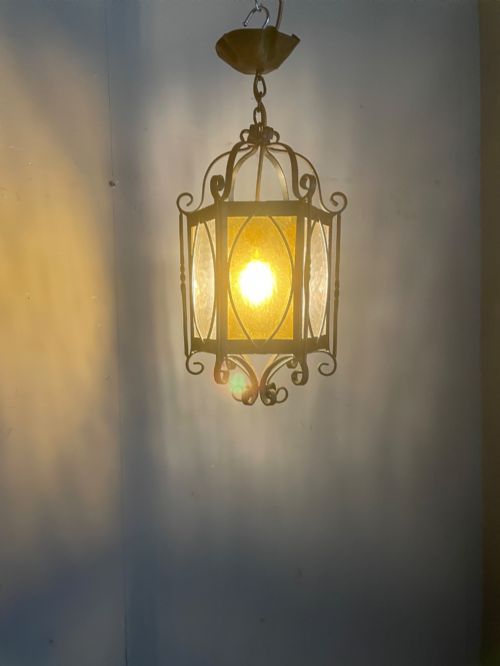
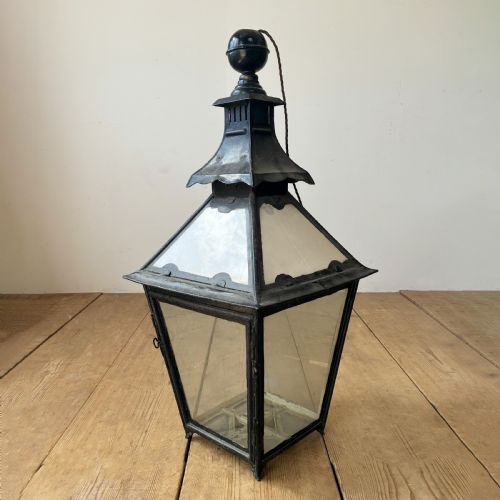


Iron Hanging Light
An iron hanging light brings a heavy, enduring presence to a ceiling, offering practical illumination through centuries of metalwork traditions.
Iron Hanging Light
An iron hanging light encompasses utilitarian ceiling lamps, ornate chandeliers, and glazed hall lanterns designed to illuminate interior spaces and porches. Buyers searching for an iron hanging light encounter works spanning from the eighteenth century through the Art Deco era, with heavy representation from Victorian and Arts and Crafts periods.
Materials extend beyond plain metal, frequently combining wrought iron or cast iron with glass, brass, copper, and gilt metal. Surviving examples demonstrate both rustic blacksmith fabrication and refined decorative craftsmanship tailored for domestic halls and porches.
Materials and Construction
Makers shaped structural frames primarily from wrought iron and cast iron, sometimes incorporating steel, brass, copper, and gilt metal details. Blacksmiths hammered and bent iron into scrolling arms, hexagonal lantern cages, and rigid suspension brackets.
Glazing techniques involved fitted glass panels, leaded segments, stained glass, and frosted glass shades. Certain fixtures incorporated pate de verre bowls or suspended coloured crystal fruits such as grapes, apples, and pears to catch the light.
Surface finishes varied from natural dark metal and black coatings to polychrome paint and applied gold or gilt treatments. Porch and exterior lights utilised robust seals and zinc or copper elements to withstand weather exposure.
Some nineteenth century chandeliers come loaded with leaded glass fruits, ensuring your dining room stays permanently harvested.
Assessing Quality
Quality rests in the deliberate execution of the metalwork, distinguishing repetitive industrial output from individual blacksmith forged creations. Superior pieces exhibit confident hammer marks, balanced proportions, and integrated decorative motifs rather than surface applied ornamentation.
The integration of secondary materials defines the tier of a fixture, such as hand-formed leaded glass panels or signed pate de verre shades. Heavier gauge iron and substantial mounting hardware ensure structural integrity across larger chandeliers and hall lanterns.
Schneider·Muller Freres
The Iron Hanging Light Glossary
- Wrought iron
- Iron that has been heated and worked with tools by a blacksmith to shape structural arms and decorative scrolls. This material allows for varied thicknesses and distinct surface textures.
- Hall lantern
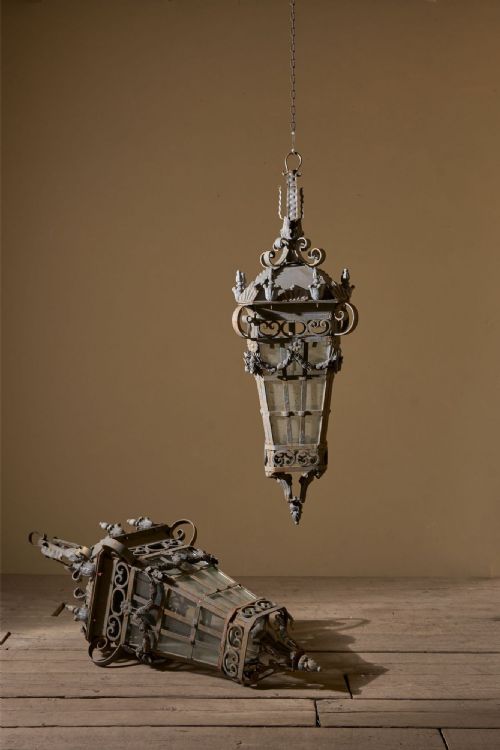
- An enclosed ceiling fixture designed specifically for corridors, vestibules, and entrance spaces. These pieces frequently feature glass panels to protect candle or electric light sources from drafts.
- Pricket
- A sharp metal spike on a candle chandelier or stick upon which a wax candle is mounted. Early iterations rely on this method before socket candle holders became standard.
- Pate de verre
- A glass-making technique where crushed glass is packed into a mould and fused in a kiln. It yields thick, textured vessels with diffused colour effects.
- Wagon wheel chandelier
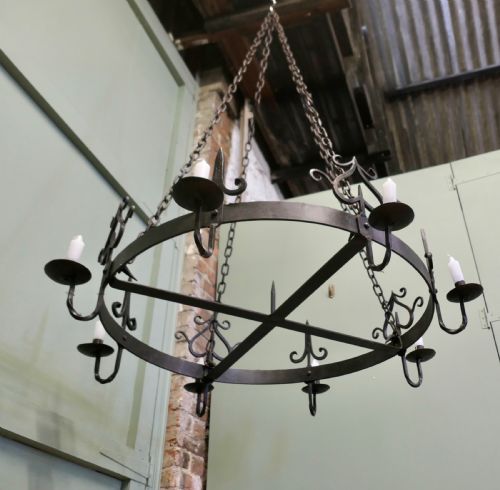
- A large circular lighting fixture suspended horizontally by chains, resembling the wooden frame of a cart wheel. Iron versions use spokes to support multiple candle or bulb points.
Iron Hanging Light: Frequently Asked Questions
Can I use modern bulbs in antique iron lights?
Most antique fixtures accept modern LED or incandescent bulbs provided the original lamp holders are sound and comply with current safety standards. Low wattage LED bulbs generate less heat, which helps protect fragile historic glass and painted surfaces.
Rewiring older fixtures is standard practice to ensure safety, allowing you to retain the original iron frame while updating internal electrical components.
How do I clean wrought iron and glass?
Dust wrought iron frames regularly with a dry, soft cloth and occasionally apply a very light coat of neutral wax to protect the metal from moisture. Avoid harsh chemical cleaners that strip historical finishes and patina.
Glass panels and shades can be removed where accessible and washed gently in warm soapy water, ensuring they are thoroughly dried before reassembly.
Were these lights originally wired for electricity?
Many surviving fixtures from earlier periods were originally designed for candles or gas before being converted to electricity during subsequent decades. Conversion methods varied, sometimes leaving evidence of burner fittings or prickets alongside modern wiring channels.
Examining the internal fittings often reveals how the illumination method evolved throughout the lifespan of the piece.