





Black Metal Lantern
These black metal lantern examples bring practical illumination and historic character into a room.
Black Metal Lantern
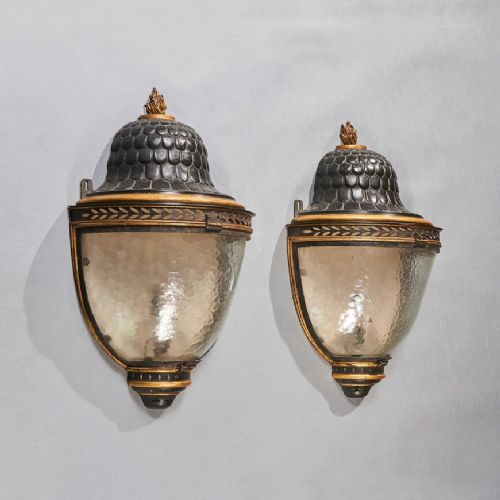
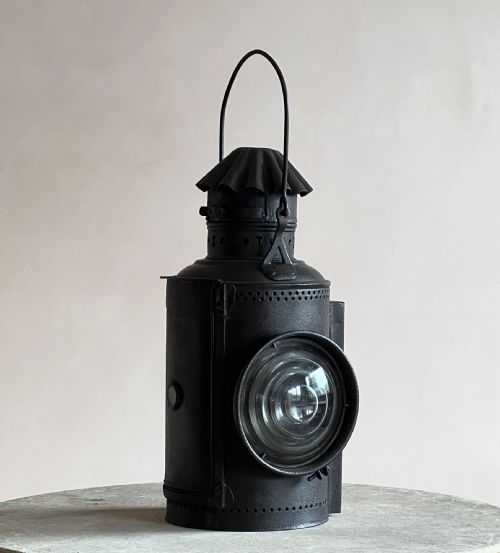
When you search for a black metal lantern, you encounter a diverse collection of lighting forms spanning the eighteenth century through to the mid twentieth century. The selection encompasses architectural wall lights, exterior porch fixtures, carriage lamps, railway oil lamps, and substantial floor stands.
You are most likely to meet nineteenth century examples alongside pieces from the Edwardian era and the interwar period. These objects bridge utilitarian railway and street lighting with decorative domestic furnishings in Victorian Gothic and industrial styles.
Construction and materials
Makers utilised robust metals including wrought iron, cast iron, painted steel, and tole peinte, often paired with clear or shaped glass panels. Structural elements frequently combine heavy iron frames with delicate parcel gilt accents or brass details to catch the light.
Individual pieces show the hand of the blacksmith or foundry worker through riveted joints, shaped brackets, and hand-soldered framing. Railway and street lighting required durable construction to withstand outdoor elements, resulting in thick cast bodies and secure oil reservoirs.
Black Metal Lantern Retail Price Guide 2026
Typical asking prices for black metal lantern among the pieces listed under this phrase on Sellingantiques today, from the lower quarter to the upper quarter. They describe what is for sale here now, not the wider market.
A sturdy station master once relied on that pocket watch while his oil lamp stood ready on the platform.
Assessing quality and finish
The distinction between standard utility items and finer pieces lies in the weight of the metalwork, the complexity of the glass panels, and the originality of the surface finish. Superior examples display crisp casting details or careful blacksmith forging rather than plain mass-produced forms.
Original mounts, brackets, and intact early glass panels elevate a piece considerably above those with modern replacements. The presence of authentic maker plates or railway provenance marks adds historical weight to the metal structure.
Foster And Pullen·Dressel
The Black Metal Lantern Glossary
- Tole
- Painted sheet metal, often decorated in black with gilt highlights, typical of fine French lighting fixtures.
- Parcel Gilt
- A method of applying thin gold leaf selectively to specific portions of a metal surface, creating contrast against the dark background.
- Wrought Iron
- Iron that has been heated and shaped with tools by a blacksmith, yielding a fibrous grain and organic form.
- Carriage Lamp
- A specialised lighting fixture designed to mount on the exterior of horse-drawn vehicles or early motor carriages.
- Railway Oil Lamp
- A sturdy utilitarian lamp manufactured for signalling, station use, or locomotive service, built to endure harsh conditions.
Black Metal Lantern: Frequently Asked Questions
How were railway lanterns used?
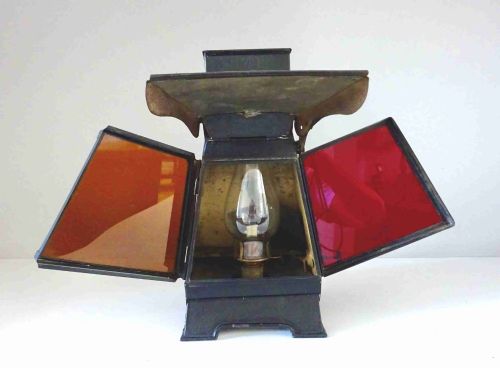
Railway lanterns served practical roles for station masters, train crews, and signalmen to communicate and illuminate tracks.
They burned oil to project reliable light through coloured or clear lenses during night operations and inclement weather.
Can these lanterns be wired for electricity?
Most antique lanterns can be adapted by a professional electrician to house internal modern wiring for safe indoor or porch use.
Retaining the original oil reservoir or burner mechanism ensures the historical appearance remains intact while serving a contemporary function.
How do I date a metal lantern?
Dating relies on examining the manufacturing techniques, fastener types, glass panel cuts, and any maker stamps or railway company markings.
Styles also offer strong clues, shifting from ornate Victorian Gothic and French neoclassical to industrial cast iron designs of the early twentieth century.
Where should I hang a wall lantern?
Wall lanterns suit exterior porches, entrance hallways, or sheltered garden walls where their heavy iron construction withstands the environment.
Ensuring the mounting bracket matches the weight of the cast iron or wrought iron body is essential for secure installation.