





Black Metal Lamp
A black metal lamp brings industrial gravity and dark iron presence to a room, offering functional illumination rooted in practical history.
Black Metal Lamp
A black metal lamp search uncovers practical lighting shaped from iron, steel, and tôleware across the nineteenth and twentieth centuries. The selection ranges from heavy Victorian and Edwardian floor standards to industrial factory lights and railway oil lamps.
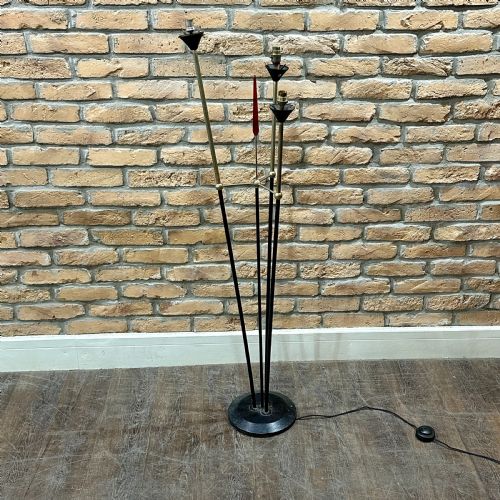
Buyers frequently encounter robust wrought iron standard lamps with adjustable arms, alongside cast iron hall lanterns and early twentieth-century desk lamps. French Empire tôleware table lamps and American cast iron pieces also appear within the varied selection.
Origins stretch from British workshops and French studios to American foundries, encompassing styles from Arts and Crafts utility to Art Deco geometry. These pieces cross domestic and utility categories, moving from railway signals to grand hallway stands.
Materials and construction methods
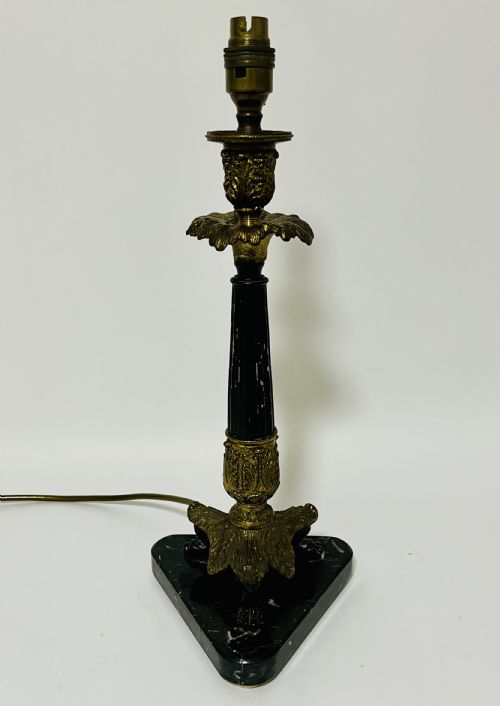
Makers shaped these lamps using forged wrought iron, heavy cast iron, and spun metal finished in black lacquer or tôleware paint. Structural components often incorporate brass fittings, glass panels, and weighted marble bases to anchor tall floor standards.
Workshops employed blacksmithing techniques for articulated arms and telescopic mechanisms, while railway and street lights utilised riveted sheet metal and protective enamel. Many surviving examples show conversions from earlier oil combustion or candle use to electrical wiring.
Black Metal Lamp Retail Price Guide 2026
Typical asking prices for black metal lamp among the pieces listed under this phrase on Sellingantiques today, from the lower quarter to the upper quarter. They describe what is for sale here now, not the wider market.
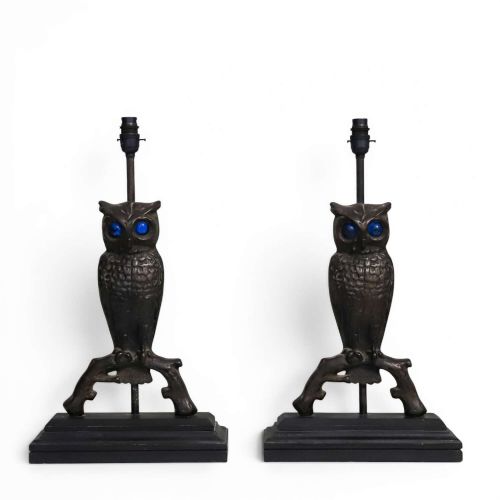
An owl lamp stands ready on a cast iron base, having spent its earlier life guarding a hearth as a Victorian fire dog.
Assessing construction and design integrity
Quality rests in the heaviness of the metalwork, the integrity of the blacksmith forging, and the retention of original surface finishes like black lacquer or patinated iron. Fine examples demonstrate clean joinery on telescopic columns and substantial gauge metal that resists bending.
Lamps retaining original maker elements, intact glass components, and authentic mechanical adjustments stand apart from heavily altered or mismatched assemblies. The distinction lies between utilitarian survival and deliberate decorative design executed by skilled ironworkers.
Foster And Pullen·Rene Mathieu
The Black Metal Lamp Glossary
- Wrought iron
- Iron beaten and shaped by hand on an anvil while hot. This material yields fibrous, strong structures with visible hammer marks.
- Tôleware
- Painted or lacquered sheet metal, frequently decorated in black and gold. French makers utilised this technique for decorative table lamps.
- Telescopic floor lamp
- A standard lamp featuring a sliding shaft adjustable for height. This mechanism allows the owner to alter the elevation of the light source.
- Standard lamp
- A tall floor-standing lamp designed to illuminate a room from a fixed upright position. These pieces often feature weighted bases for stability.
Black Metal Lamp: Frequently Asked Questions
How do I date a wrought iron standard lamp?
Examine the construction of the shaft and the style of the base for period indicators like Victorian twists or Edwardian scrollwork. Hand-forged joints and heavy gauge iron generally point toward nineteenth-century production.
Check for mechanical adjustments such as telescopic screws or weighted cast bases that align with historical manufacturing practices.
What is tôleware on a table lamp?
Tôleware refers to painted or lacquered sheet metal shaped into decorative vessels and lamp bodies. These pieces often feature dark black finishes paired with gilt accents.
French workshops frequently utilised this technique during the nineteenth and early twentieth centuries to create durable table lighting.
Were these lamps originally electrified?
Many of these pieces began as oil lamps, railway lanterns, or candle stands before later conversion to electricity. Floor standards and wall brackets often show evidence of burner fittings or oil reservoirs adapted during the twentieth century.
Industrial factory lights and street lamps similarly transitioned from gas or oil to electric wiring as infrastructure modernised.
How do I clean black metal surfaces safely?
Dust the metal gently with a dry microfibre cloth to remove surface grit without disturbing the underlying patina. Avoid harsh chemical cleaners that can strip original black lacquer or painted finishes.
Apply a light microcrystalline wax if the bare iron requires protection against moisture in the room.