



Black Metal Box
These black metal box examples span utilitarian safes to decorative hat boxes, offering durable storage with historical character.
Black Metal Box
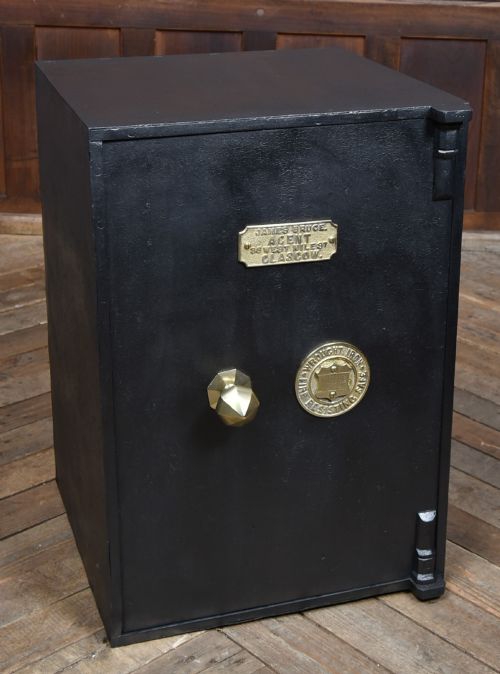
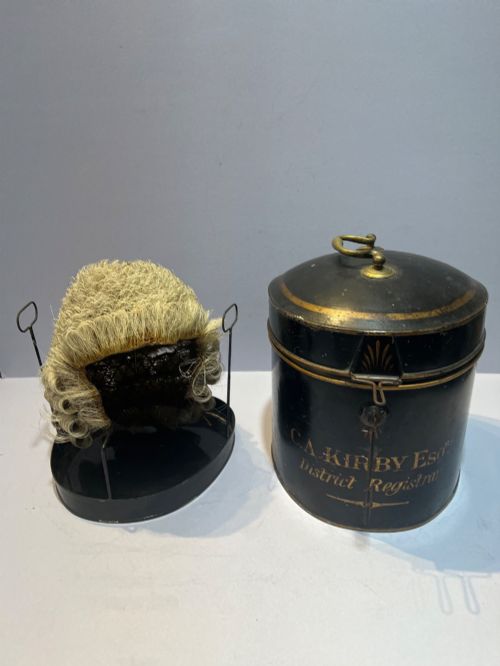
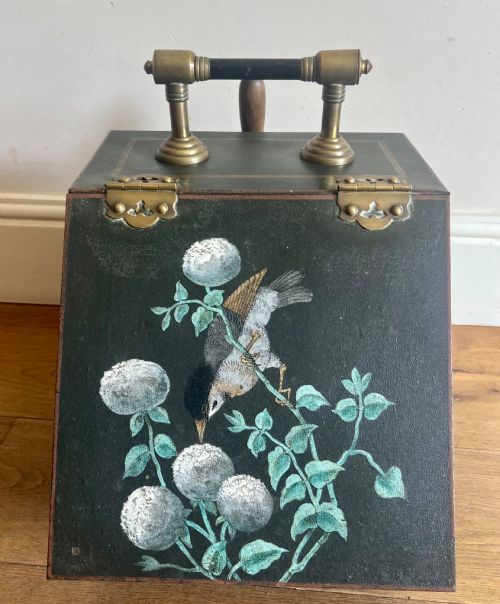
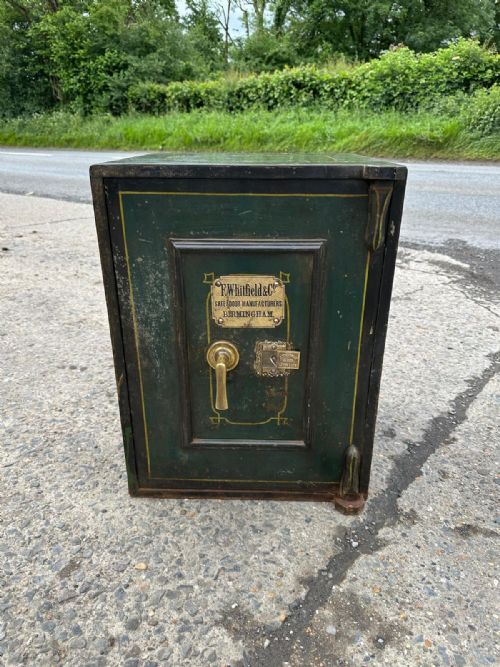
A black metal box serves various storage needs, ranging from legal document tins and military hat cases to heavy security safes and coal scuttles. When searching for this phrase, a buyer encounters everything from utilitarian nineteenth-century deed boxes to decorative toleware vessels.
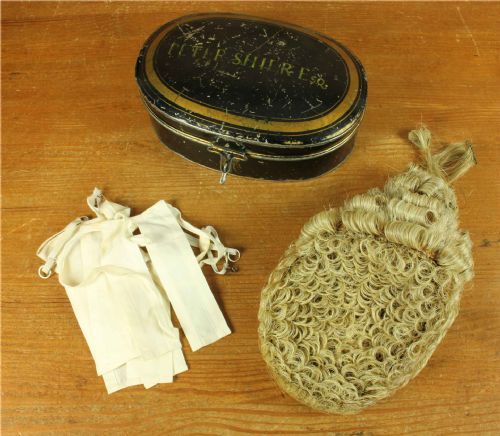
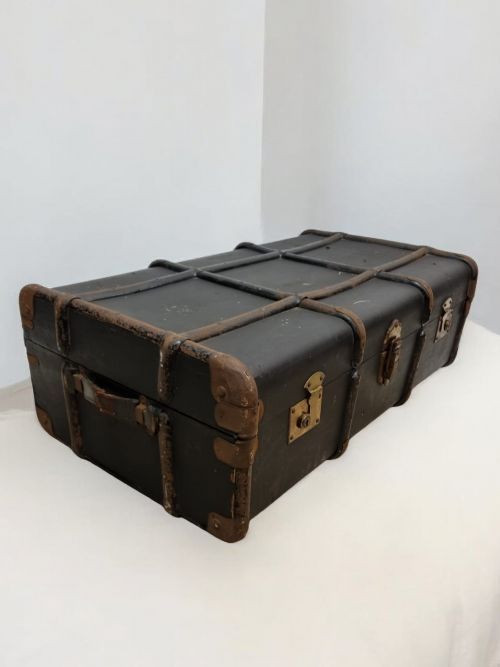
The pieces on this page originate from diverse eras, primarily spanning the Victorian period through the early twentieth century, alongside earlier centuries. Forms vary widely from simple travel trunks and strongboxes to intricate jewellery caskets and specialised wig cases.
Functional items dominate the selection, built for offices, domestic hearths, or secure transport. Buyers frequently find painted tin and iron configurations designed to withstand daily wear while maintaining a stark, dark finish.
Materials and construction
Construction relies heavily on robust metals such as cast iron, wrought iron, steel, and tin, often paired with painted surfaces or toleware finishes. Makers utilised brass for handles, keyplates, and hinges, adding functional contrast to the dark body.
Techniques range from blacksmith forging on coal wagons and wrought iron window boxes to fine cabinetwork integrating wood and metal bindings. Painted and japanned finishes protect the underlying iron from corrosion while providing a uniform dark exterior.
Black Metal Box Retail Price Guide 2026
Typical asking prices for black metal box among the pieces listed under this phrase on Sellingantiques today, from the lower quarter to the upper quarter. They describe what is for sale here now, not the wider market.
A singing bird chirps securely inside a nineteenth-century German mechanical box.
Assessing quality and finish
Quality reveals itself in the integrity of the original hardware, working locks with keys, and the preservation of painted or japanned surfaces. Finer examples retain legible maker lettering, crisp hand-painted decoration, and uncompromised structural metalwork without heavy pitting.
The distinction between utilitarian storage and high-end manufacturing appears in the heft of the iron, the complexity of internal locking mechanisms, and secondary materials like inlaid wood or ormolu mounts.
James Bruce·Eade & Son·Ravenscroft Law·F. Whitfield & Co.·George Price·Waring & Sons
The Black Metal Box Glossary
- Toleware
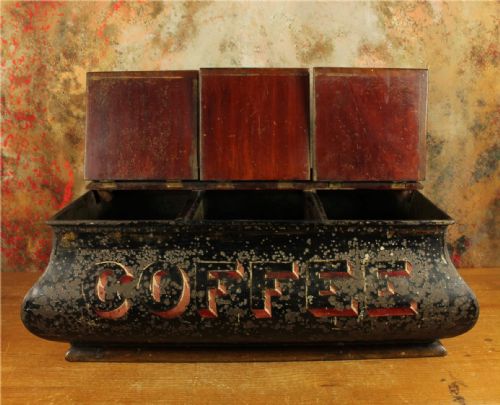
- Tin-plated steel articles that are painted or japanned, often featuring hand-painted floral or gilt motifs. This technique was widely utilised for domestic coal scuttles, spice boxes, and document tins.
- Japanning
- A type of European finish that emulates Asian lacquer work, applied to metal or wood surfaces. It involves multiple layers of heat-cured varnish resulting in a glossy dark coating.
- Deed box
- A secure metal storage container designed for legal documents, titles, and valuable papers. These boxes often feature drop handles and brass lock plates.
- Strongbox
- A heavily reinforced metal container used for safeguarding currency and valuables against theft or fire. Victorian versions frequently incorporated complex internal locking systems by known makers.
- Armada chest
- A heavy iron strongbox originating from the sixteenth or seventeenth century, typically secured with elaborate internal strapwork and multi-bolt locking mechanisms.
Black Metal Box: Frequently Asked Questions
What were black metal boxes originally used for?
These boxes served practical roles in offices, homes, and military transport. They secured legal deeds, stored legal wigs, held ammunition or hats, and contained household coal.
Heavier variants functioned as portable safes for money and valuables. Their robust construction protected contents from fire, moisture, and theft.
How do I date a metal box?
Dating relies on manufacturing techniques, lock types, and surface finishes. Nineteenth-century pieces often feature hand-forged iron handles, dovetail joints on internal wooden elements, and specific maker plaques.
Stylistic cues in painted toleware decoration or brass hardware provide further chronological indicators.
Are original keys usually included?
Some antique boxes retain their working operational keys, particularly restored strongboxes and safes. Many pieces from earlier centuries survive without functioning keys due to loss over time.
Listings specify whether a key is present or if the lock remains operable.
How do I care for painted metal surfaces?
Preserving painted and japanned surfaces requires gentle dusting with a dry microfibre cloth. Avoid abrasive cleaners, harsh chemicals, or excessive moisture that might lift the historic paint layers.
Applying a microcrystalline wax can protect exposed iron from humidity while maintaining the original sheen.