




Black Marble Pedestal Table
A black marble pedestal table brings architectural solidity and a cool, polished surface to a room, most often appearing as a French gueridon or centre table.
Black Marble Pedestal Table
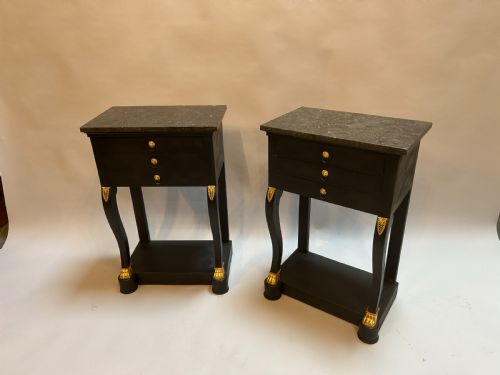
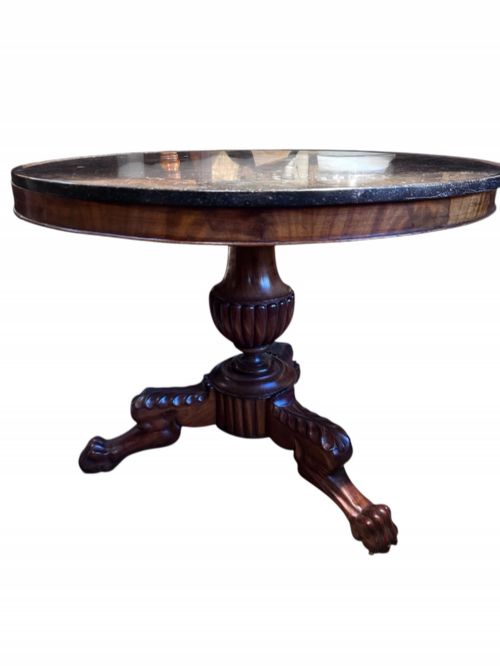
A black marble pedestal table takes several distinct forms, most frequently emerging as a round gueridon or centre table supported by a central column. These pieces appear across the nineteenth century and into the early twentieth century, spanning French Empire, Victorian, and later revival styles.
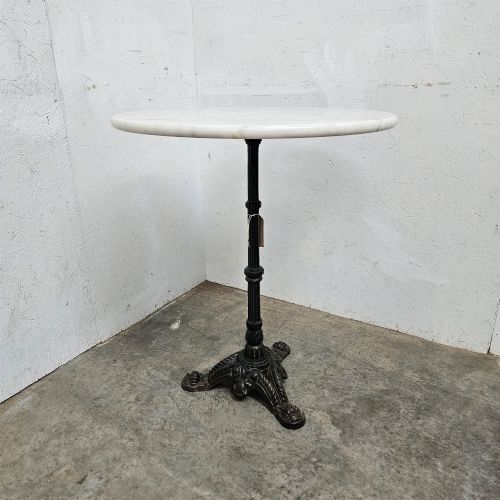
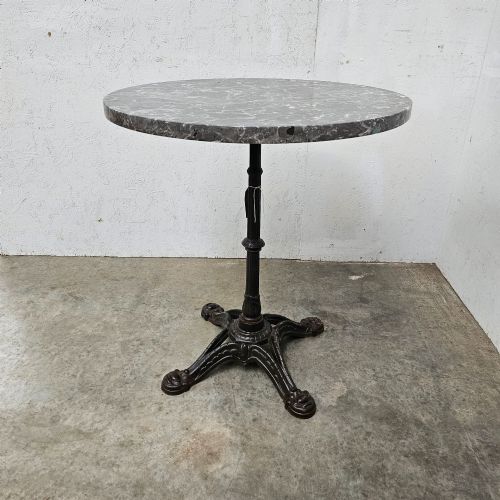
Buyers encounter variations ranging from petite bedside chests and lamp tables to substantial occasional and cafe tables. Materials extend beyond pure stone to include ebonised wood, mahogany, and cast iron frames paired with marble tops.
Materials and Construction
Makers constructed these tables by combining heavy stone slabs with timber or iron supports, utilising dense black marble for the upper surface. Cabinetmakers employed mahogany, burr elm, and ebonised wood for the central pillars and bases, sometimes incorporating brass mounts or parcel silvering.
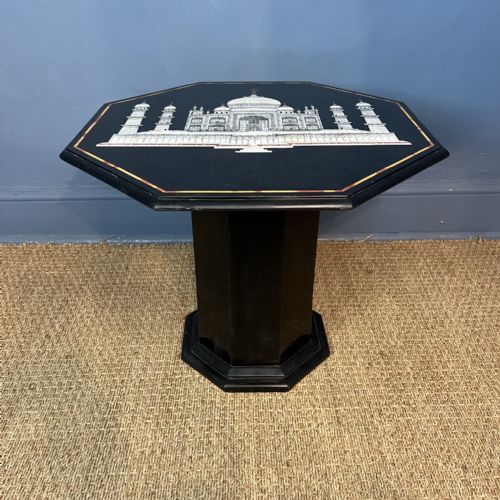
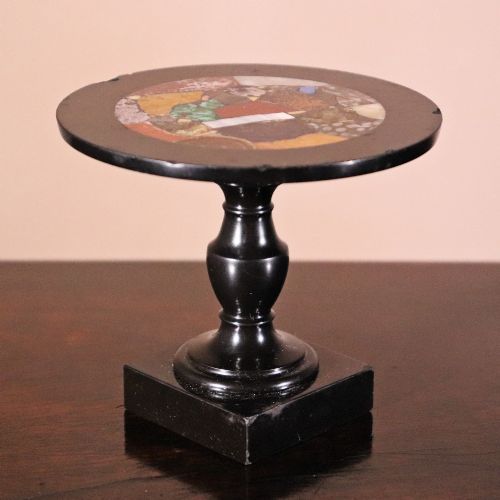
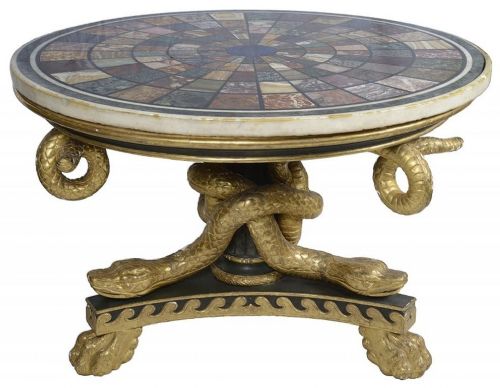
Workshops also produced stone inlay variants, utilising techniques such as pietra dura to embed decorative motifs directly into the surface. Iron and bronze elements provided industrial or cafe table configurations designed for steady utility.
Black Marble Pedestal Table Retail Price Guide 2026
Typical asking prices for black marble pedestal table among the pieces listed under this phrase on Sellingantiques today, from the lower quarter to the upper quarter. They describe what is for sale here now, not the wider market.
Some nineteenth-century tables take the physical form of seated hounds, holding up the surface with canine loyalty.
Assessing Quality and Execution
Quality rests upon the selection of the stone and the rigidity of the central pedestal construction. Superior examples feature deeply figured marble, precise inlay work, and robust timber frames that prevent wobble.
The refinement of the carving on the column and base separates standard utility pieces from high-style works. Harmony between the weight of the marble top and the engineering of the pedestal dictates longevity and balance.
The Black Marble Pedestal Table Glossary
- Gueridon
- A small round table on a single central pillar, originating in seventeenth-century France. These pieces serve as centre tables or lamp stands.
- Pietra dura
- An artistic technique of inlaying cut and fitted polished coloured stones to create pictures or geometric designs. This work appears on nineteenth-century tabletops.
- Ebonised
- Wood finished with a dark stain or paint to imitate ebony. This treatment provides a dense black appearance on frames and columns.
- Empire style
- A neoclassical design movement spanning the late eighteenth and early nineteenth centuries. It favours architectural symmetry and classical motifs.
Black Marble Pedestal Table: Frequently Asked Questions
Where should I place a black marble pedestal table?
These tables function effectively as centre tables in a hallway or as lamp tables beside seating. Their compact circular footprint allows them to occupy corners or central spaces without dominating the room layout.
Ensure the floor is level to maintain stability on single-pillar designs. Pairing the dark stone with lighter surrounding furnishings creates a balanced interior contrast.
How do I care for a marble top?
Clean the surface using a soft, damp cloth and mild soap, avoiding acidic cleaning agents that etch stone. Promptly wipe away spills to prevent staining on porous marble variations.
Use coasters under glasses and felt pads beneath decorative objects to protect the polish. Regular dusting preserves the deep lustre of the black stone over time.
Are these tables sturdy enough for daily use?
The structural stability depends on the weight distribution of the central pedestal and the soundness of the base joint. Most gueridons and cafe tables handle everyday placement of lamps and books quite securely.
Avoid leaning heavily on the outer edges of large stone slabs. Proper assembly and tightening of internal bolts maintain the rigidity of the central column.
How can I tell the period of a table?
Dating relies on examining the timber construction, turnings, and style characteristics such as French Empire mounts or Victorian ebonising. Tool marks on the underside of the wood and the type of marble edge finishing provide further clues.
Compare the joinery methods against known nineteenth-century cabinetmaking practices. Variations in the stone cutting also help distinguish older hand-finished slabs from later machine production.