



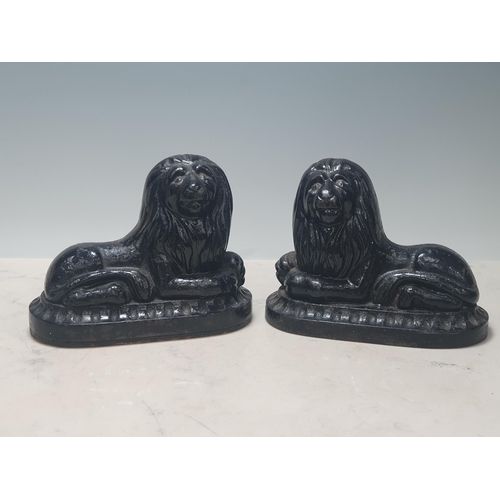
Black Iron Lion
A black iron lion brings weight and heraldic presence to a hearth or doorway, drawn mostly from nineteenth century cast iron works.
Black Iron Lion
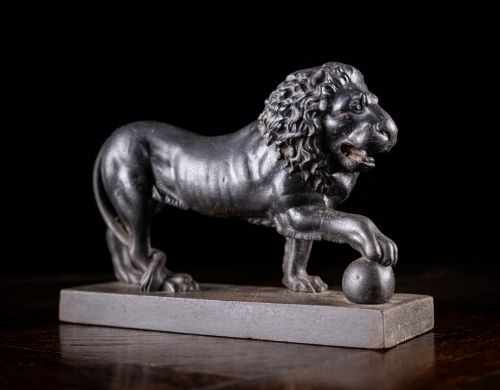
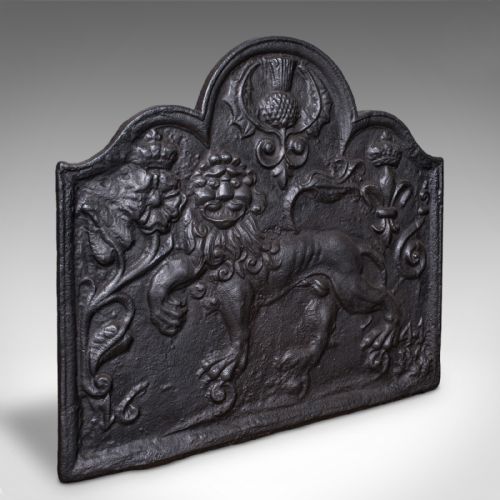
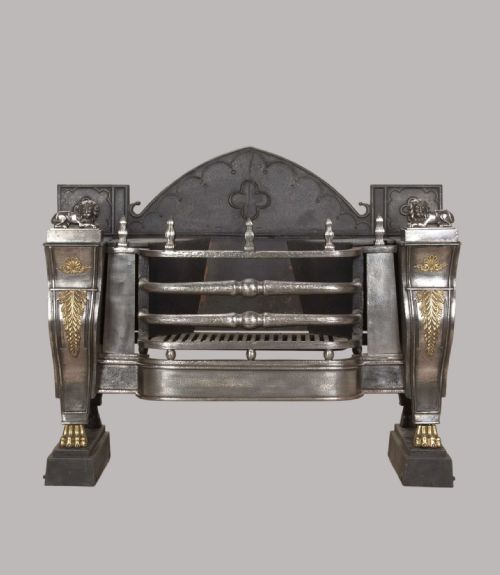
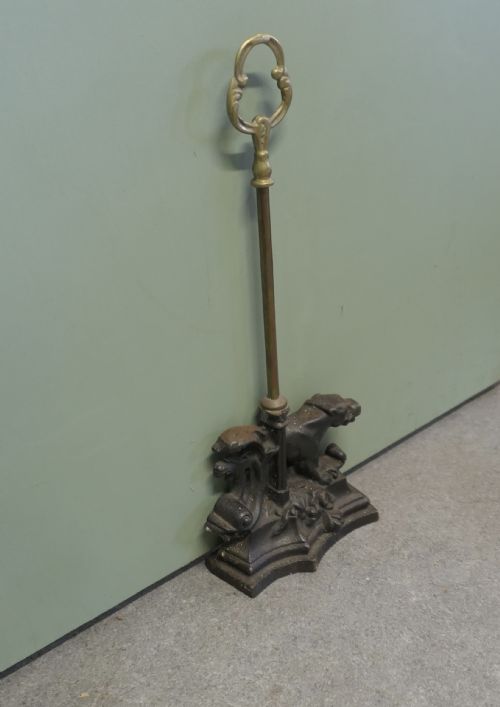
When you search for a black iron lion, you are looking at robust metal sculptures and functional fireplace fittings produced primarily during the Victorian period. These pieces take the form of heavy doorstops, architectural door knockers, and fireplace accessories such as firebacks and grates.
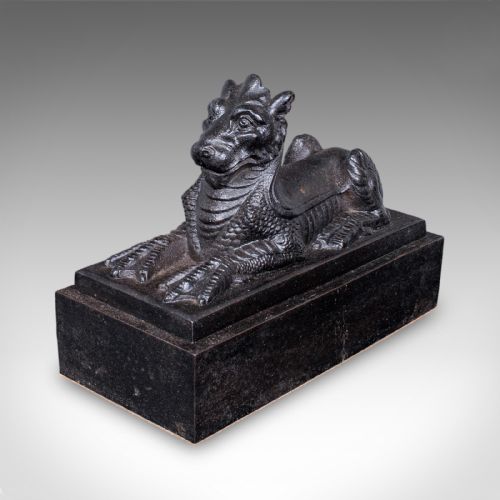
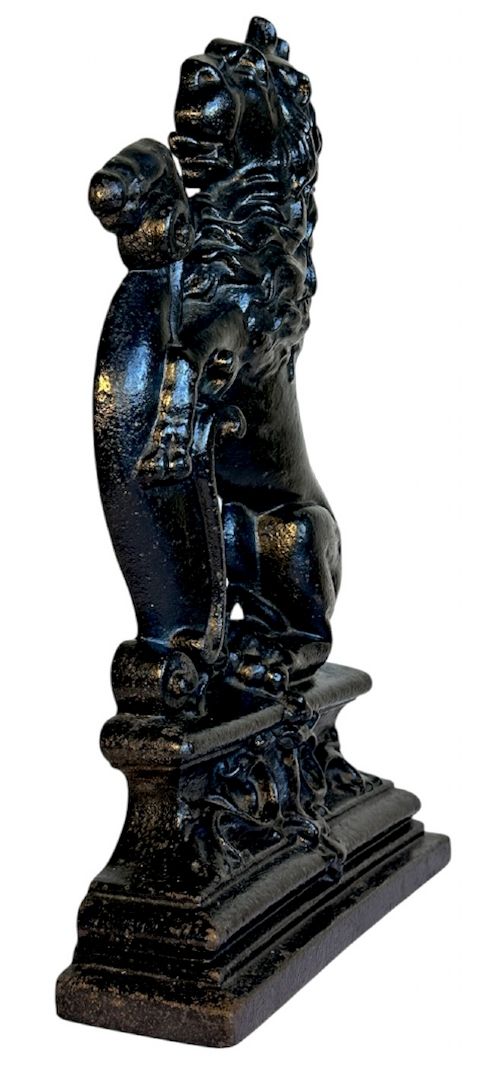
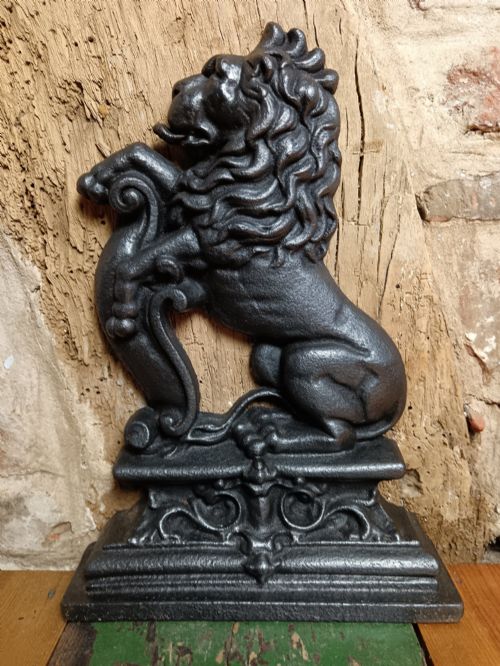
The version you are most likely to meet on this page is the nineteenth century cast iron doorstop or door porter, often depicting the animal in a rampant stance. Other common forms include recumbent companion figures and robust fireguards.
Origins stretch from English workshops to French bistro settings, uniting utilitarian ironwork with sculptural heraldry. While the vast majority date to the nineteenth century, forms range from classical Regency designs to Gothic revival interpretations.
Materials and construction
The physical backbone of these items is cast iron, poured into sand moulds to create dense figures with sharp relief and considerable heft. Wrought iron elements often appear in accompanying grates and hardware, offering a fibrous contrast to the brittle strength of the cast metal.
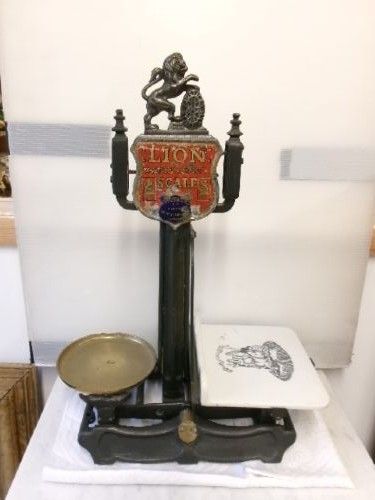
Many surfaces retain layers of black paint or protective dark finishes applied to prevent oxidation in damp domestic environments. Occasional brass or marble components integrate into scales and table bases, while earlier items utilise simpler iron casting techniques.
Black Iron Lion Retail Price Guide 2026
Typical asking prices for black iron lion among the pieces listed under this phrase on Sellingantiques today, from the lower quarter to the upper quarter. They describe what is for sale here now, not the wider market.
Listings feature materials including cast iron, wrought iron, brass, ceramic, and marble across the nineteenth century.
Assessing quality and execution
Proportion and stance dictate the visual success of a sculpture, separating domestic utility items from those with genuine decorative presence. Heavy weight and sturdy construction signal superior foundry work from established nineteenth century makers.
Herbert and Sons London
The Black Iron Lion Glossary
- Cast iron
- A hard, brittle alloy of iron and carbon poured into moulds to shape solid objects. This material forms the primary substance of Victorian doorstops and firebacks.
- Doorstop
- A heavy movable object placed against a door to hold it open. In ironwork, these frequently take the form of heraldic lions and domestic animals.
- Fireback
- A heavy iron plate placed at the back of an open fireplace to reflect heat and protect the masonry. Many feature raised armorial reliefs.
- Rampant
- A heraldic term describing an animal standing on its hind legs with forepaws raised. This posture appears frequently in nineteenth century iron doorstops.
- Andirons
- Supports used to hold logs off the floor of a fireplace to improve airflow. They are often cast in pairs with decorative terminals.
Black Iron Lion: Frequently Asked Questions
What is a black iron lion doorstop?
A heavy cast iron sculpture shaped like a lion, used traditionally to keep interior doors from swinging shut.
These pieces rely on their substantial weight and durable metal construction to anchor heavy doors in hallways and parlours.
How do I care for cast iron?
Keep the iron dry and dust it regularly with a soft brush to prevent moisture buildup on the painted surface.
Avoid using harsh chemical cleaners that might strip historic black finishes, applying a light coat of paste wax if protection is needed.
Are these pieces genuinely Victorian?
Many items date from the nineteenth century, matching the stylistic markers of the Victorian and Regency eras.
Examination of the casting seams, surface wear, and material composition helps distinguish nineteenth century foundry work from later reproductions.
How were firebacks used?
Firebacks stood upright against the back wall of an open hearth to absorb and radiate heat back into the room.
They also protected the softer brickwork of the chimney from direct exposure to open flames.