





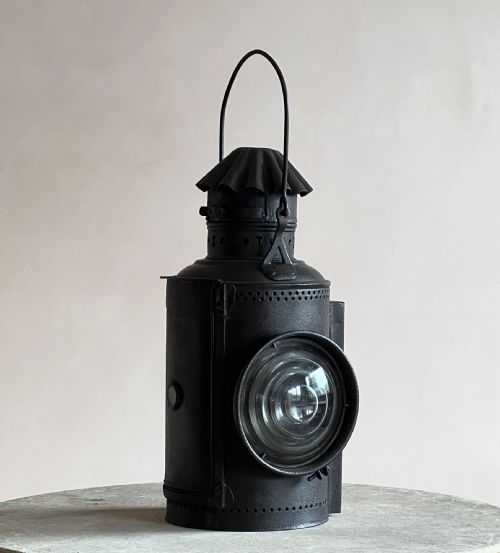


Black Iron Lamp
A black iron lamp brings robust utility and dark metal form to any room, drawing on centuries of metalworking traditions.
Black Iron Lamp
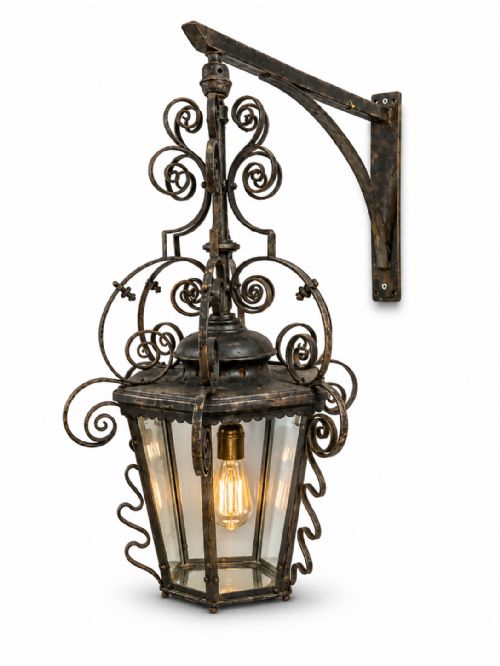
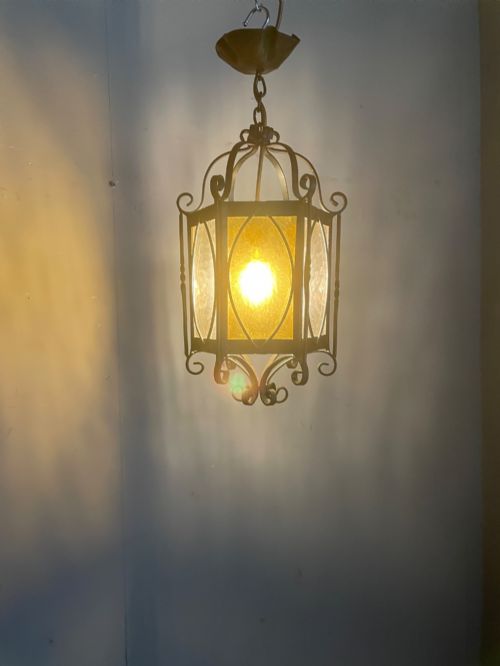
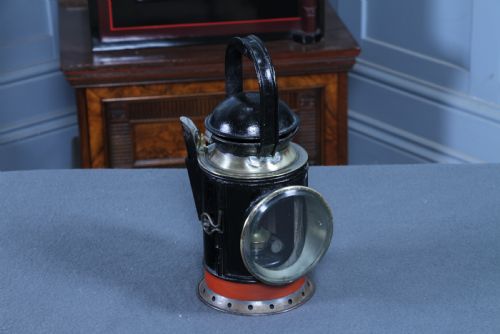
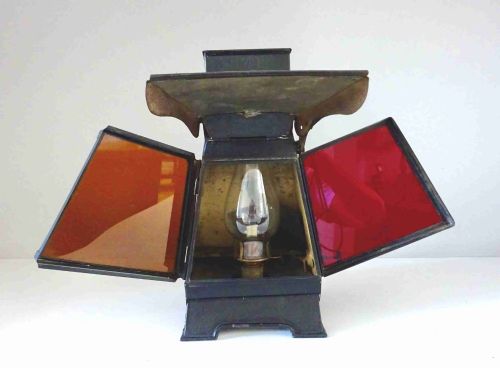
A black iron lamp encompasses a diverse array of utilitarian and decorative lighting fixtures found under the search phrase black iron lamp, stretching from heavy Victorian floor stands to industrial factory units. Buyers encounter various forms on this page, including wall lights, ceiling lanterns, standard lamps, and specialised railway memorabilia originating across the nineteenth and twentieth centuries.
Materials and construction methods
Construction relies heavily on wrought iron and cast iron, shaped by blacksmiths or cast in moulds to create durable frames, brackets, and stands. These iron components are frequently paired with functional elements of brass, copper, and steel, while glass panels and shades enclose the light source in lanterns and street lamps.
Techniques range from traditional hand-forged wrought iron scrolling and adjustable arms to heavy casting seen in owl lamps and railway lanterns. Enamelling and dark finishes protect the metal surfaces, while structural conversions, such as adapted andirons, demonstrate creative reuse of utilitarian metalwork.
Black Iron Lamp Retail Price Guide 2026
Typical asking prices for black iron lamp among the pieces listed under this phrase on Sellingantiques today, from the lower quarter to the upper quarter. They describe what is for sale here now, not the wider market.
Materials paired with iron across the inventory include brass, copper, steel, glass, fabric, and painted enamel finishes.
Distinctions in quality
Quality rests in the finesse of the blacksmith's handiwork, the integrity of the original metal casting, and the preservation of authentic operational details. Superior examples exhibit clean forging lines, balanced proportions in telescopic or adjustable mechanisms, and intact period glass or lenses without compromise.
Provenance and mechanical complexity further divide the pieces, as seen in specialised railway hand lanterns, naval gimbal lamps, or signed carriage pieces. The marriage of decorative style - whether Gothic Revival, Arts and Crafts, or Art Deco - with sturdy ironwork defines the upper echelon of surviving examples.
Daris·Dressel
The Black Iron Lamp Glossary
- Wrought iron
- Iron that has been heated and worked with tools by a blacksmith. This material allows for sturdy, malleable construction seen in adjustable standard lamp arms and wall brackets.
- Cast iron
- Iron poured into a mould to shape intricate forms. It provides the heavy foundation for sculptural pieces like owl lamps and street lighting.
- Gimbal
- A pivoted support that allows a lamp to remain level on a ship or moving vehicle. Naval gimbal lamps use this mechanism to counteract motion.
- Telescopic floor lamp
- A standard lamp designed with an adjustable height mechanism. This allows the lighting column to extend or retract according to functional requirements.
- Hall lantern
- An enclosed ceiling or wall-hung light fixture designed for entranceways. These frequently feature glazed panels and iron frames in hexagonal or octagonal shapes.
Black Iron Lamp: Frequently Asked Questions
How do I identify a Victorian black iron lamp?
Victorian examples often display heavy cast or wrought iron construction, sometimes incorporating Gothic Revival details or telescopic mechanisms designed for oil burning.
Look for authentic period patination, hand-forged joints, and heavier gauges of metal that reflect nineteenth-century manufacturing standards.
Can railway lanterns be used indoors?
Railway lanterns and inspector oil lamps transition easily into domestic interior schemes as statement decorative objects or adapted accent lighting.
Their robust metal frames and coloured lenses bring industrial character to studies, hallways, or living spaces.
What is the difference between wrought and cast iron lamps?
Wrought iron is manually heated and shaped by a blacksmith, resulting in fibrous, resilient structures with visible hammer marks and adjustable arms.
Cast iron is poured into a mould, yielding rigid, heavier forms with precise decorative details such as animal figures or structural bases.
Are these lamps electrified?
Many surviving floor lamps and wall lights have been converted to electricity from their original oil or gas configurations during past restorations.
Some pieces retain original wiring methods or require modern rewiring to meet contemporary safety standards while preserving the exterior metal shell.