


Black Iron Grate
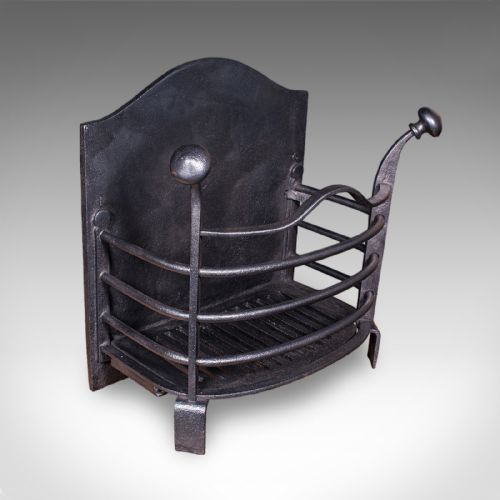
A black iron grate brings the solid presence of heavy metal and coal heat directly to an open hearth.
Black Iron Grate
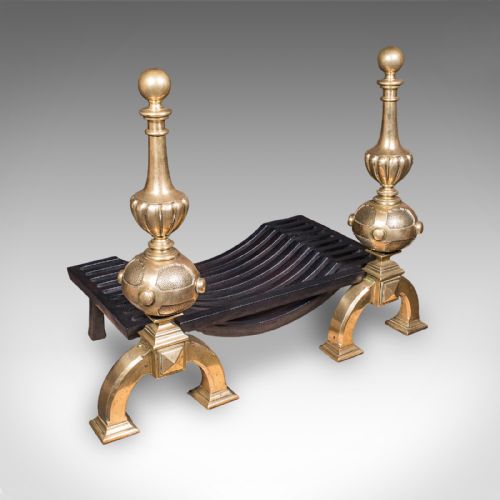
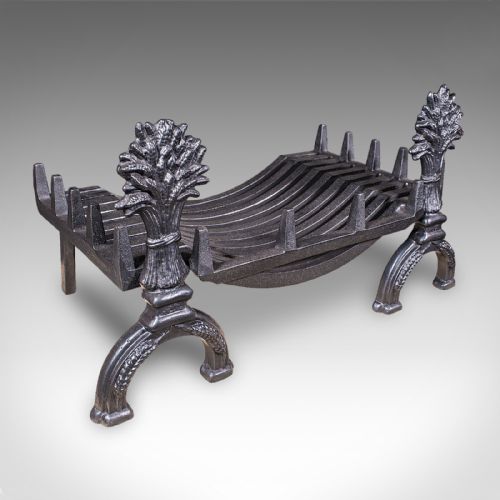
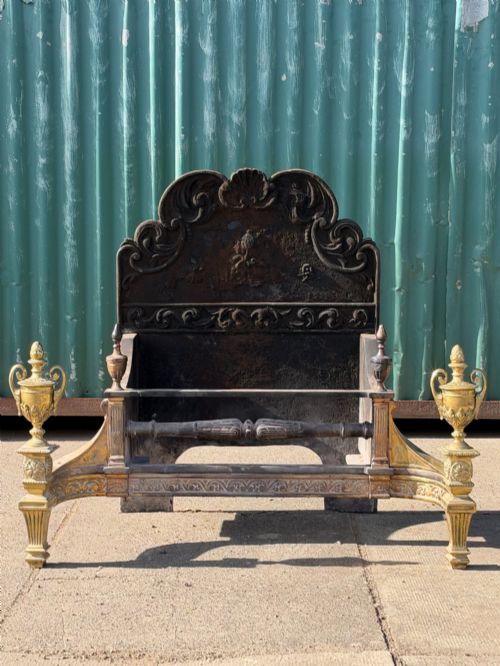
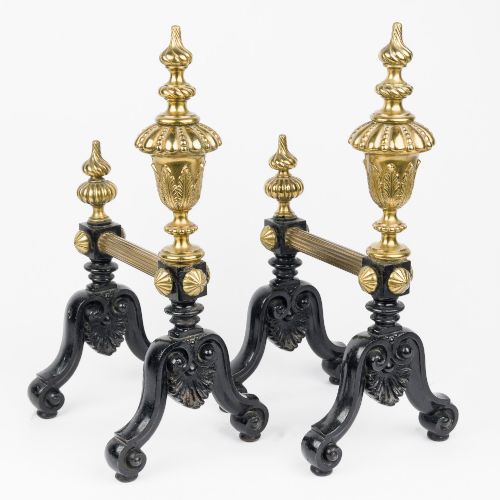
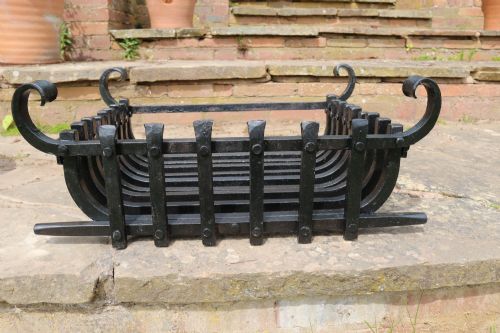
A black iron grate provides the heavy structural framework needed to hold burning fuel safely within an open fireplace. Buyers searching for a black iron grate encounter pieces designed to sit freestanding, mount within an inglenook, or combine with andirons, fire backs, and brass furnishings.
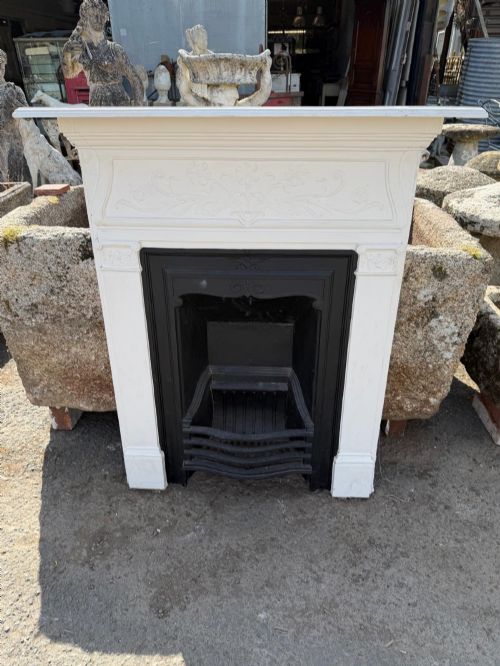
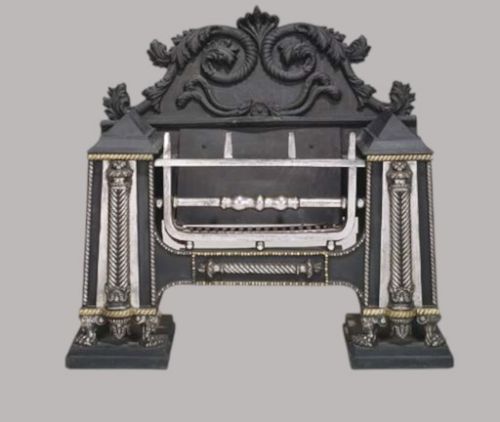
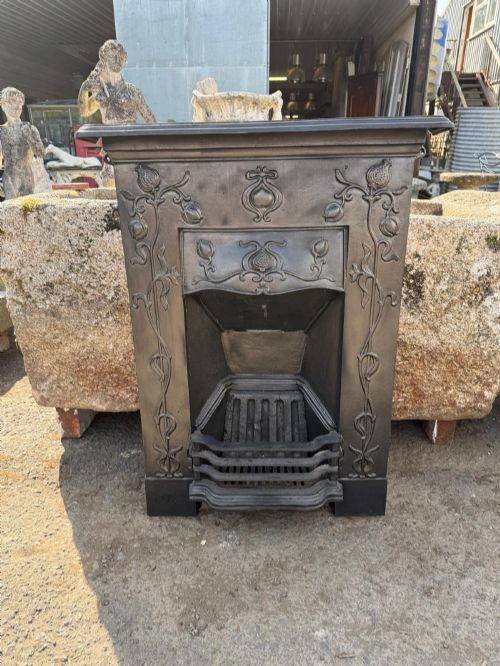
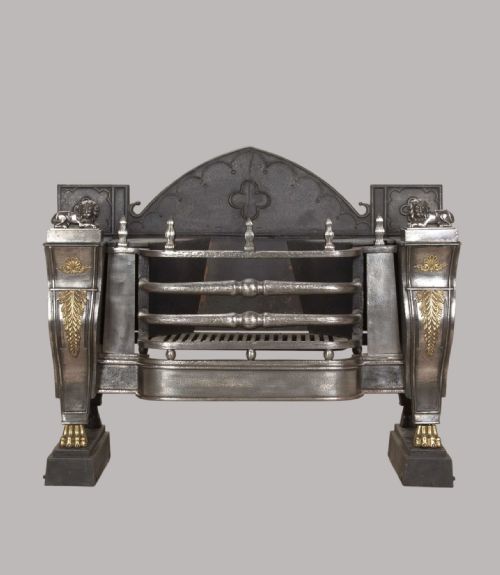
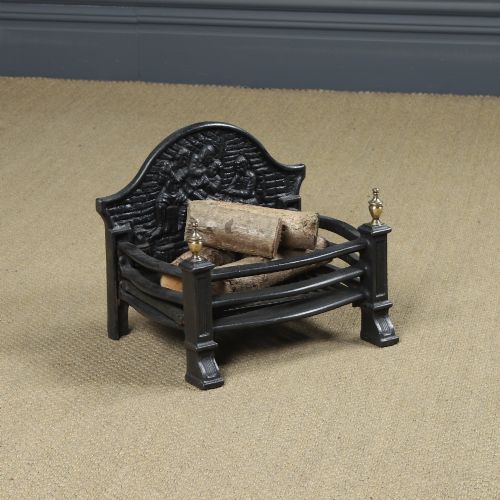
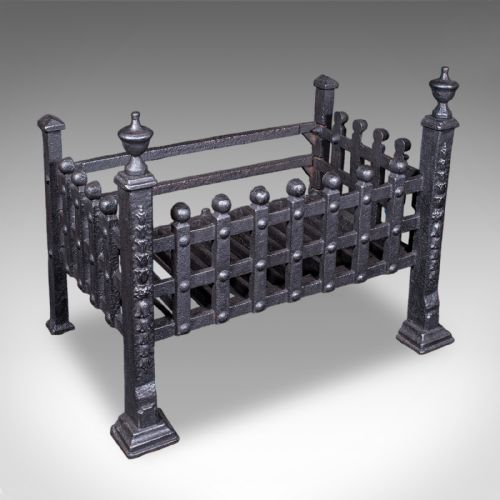
The versions most commonly met on this page span the Victorian and Georgian periods through to the early twentieth century. These objects appear as basket grates, register grates, and combination fireplaces that organise the hearth for domestic use.
Materials and construction
Foundries cast iron into rigid frames, backs, and decorative ribs capable of enduring intense heat without warping. Wrought iron elements provide toughness for fire baskets and handles, while brass components add contrast to the dark metal surfaces.
Makers integrated firebrick linings to protect the outer iron structure and reflect warmth into the room. Artisans applied classical or gothic detailing directly into the casting moulds, shaping hob grates and register grates with crisp architectural lines.
Listings feature cast iron, wrought iron, and brass materials across Victorian, Georgian, and Arts and Crafts periods.
Assessing quality and proportion
Quality rests in the weight of the metal and the precision of the casting work. Superior examples display sharp relief on panels and bars, while lesser pieces show softer edges and thinner sections.
Proportion dictates how well a grate suits a hearth opening. Master foundry work shows in robust joints, heavy fire bars, and balanced combinations of cast and wrought elements that withstand regular solid-fuel fires.
Coalbrookdale
The Black Iron Grate Glossary
- Hob grate
- A fireplace design featuring raised side plates beside the fire basket used for heating kettles or pans. These fixtures became popular during the Georgian and Regency periods.
- Register grate
- A metal fireplace surround incorporating a movable flap or damper in the throat to control the draught. This mechanism regulated the flow of smoke up the chimney.
- Andirons
- Horizontal metal bars supported by vertical pillars that hold logs off the hearth floor. They frequently accompany fire baskets in larger open fireplaces.
- Fire back
- A heavy iron plate placed against the rear wall of a fireplace. It protects the masonry and reflects radiant heat back into the room.
Black Iron Grate: Frequently Asked Questions
What is a black iron grate used for?
A black iron grate holds coal or wood safely above the hearth floor to allow proper airflow beneath the fire. This elevation helps fuel burn efficiently while containing embers within the fireplace.
These pieces form the operational heart of an open fireplace or inglenook. They transform a simple masonry opening into a controlled heating structure.
How do I choose the right size?
Measure the width, depth, and height of your fireplace opening carefully before selecting a grate. Leave adequate clearance around the iron frame for expansion and safe heat distribution.
Consider whether your setup requires a freestanding basket or a fixed register grate. Inglenook spaces accommodate much heavier assemblies than standard room fireplaces.
Can I burn real wood in these?
Most traditional grates accommodate seasoned wood logs or coal depending on the basket design and firebrick lining. Cast iron handles solid fuel effectively when used within its thermal limits.
Check the spacing of the bottom bars to ensure your chosen fuel will not slip through unburnt. Combination grates and register grates often suit specific fuel types.
How do I date a cast iron grate?
Dating relies on stylistic clues such as Regency classical lines, Victorian gothic revival motifs, or Arts and Crafts simplicity. Foundry marks and assembly methods also indicate the manufacturing era.
Georgian pieces often display refined hob designs, whereas Edwardian and later twentieth-century items incorporate simplified revival forms. Examining the weight and thickness of the casting helps confirm the period.