




Black Iron Box
A black iron box provides heavy-duty storage with a dark metal finish, offering robust security and rustic utility for the home.
Black Iron Box
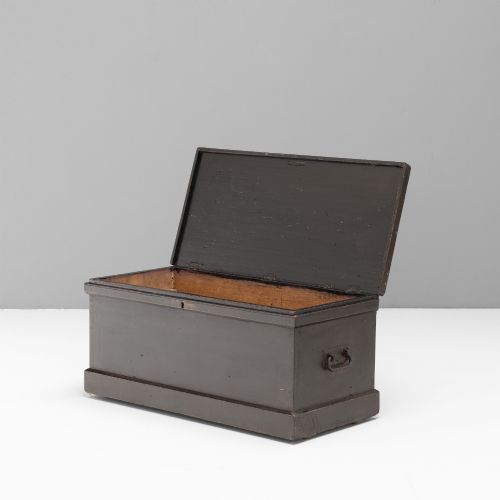
When searching for a black iron box, buyers encounter an array of heavy storage containers, security safes, and strongboxes spanning multiple centuries. The selection encompasses utilitarian deed boxes, campaign trunks, and robust industrial containers designed for secure transport.
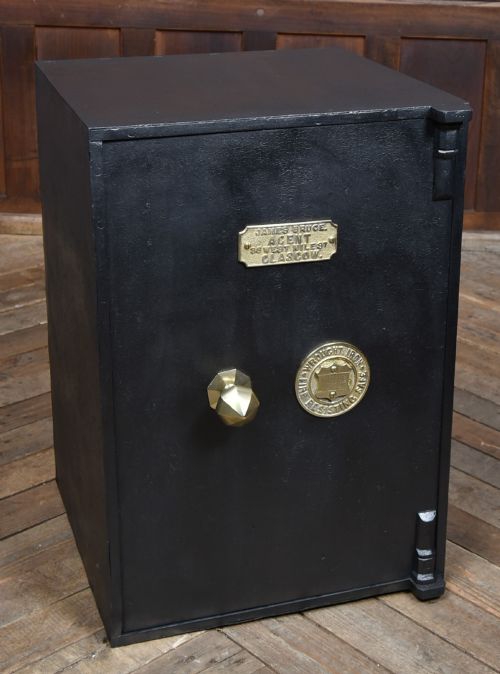
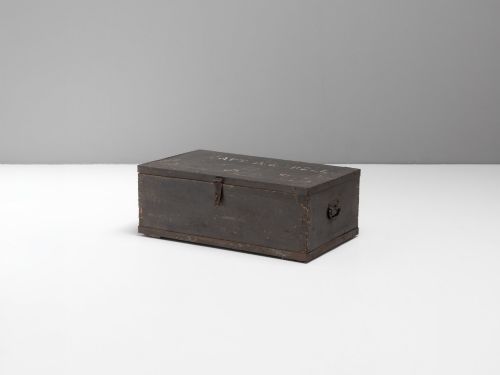
The pieces appearing here range from early strongboxes and nineteenth-century safes to Scandinavian painted pine chests and simple blacksmith-made coal scuttles. Industrial and rustic country styles dominate, alongside maritime pieces and traditional folk art containers.
Most examples date from the Victorian era and the nineteenth century, though older seventeenth-century Armada chests and twentieth-century steel deed boxes also appear. Buyers will find that these dark metal and iron-bound wooden vessels combine practical storage with distinct historical character.
Materials and Construction
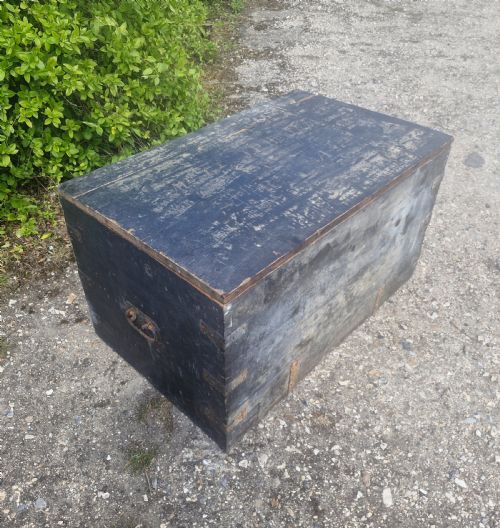
Makers utilised cast iron, wrought iron, and steel to construct the rigid bodies and protective plating of these boxes, often combining them with timber such as pine and walnut. Metal binding, reinforced corners, and heavy rivets provided structural strength for heavy-duty daily use.
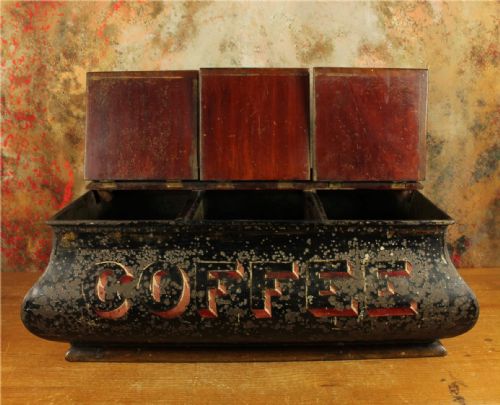
Surface treatments varied from bare black iron and painted finishes to decorative toleware and folk art designs on wood. Many nineteenth-century and Victorian examples incorporated complex internal locking mechanisms, brass handles, and robust hinges.
Black Iron Box Retail Price Guide 2026
Typical asking prices for black iron box among the pieces listed under this phrase on Sellingantiques today, from the lower quarter to the upper quarter. They describe what is for sale here now, not the wider market.
Several trunks have travelled oceans as ship's chests, carrying the silent weight of centuries across maritime trade routes.
Factors of Quality
Quality in these heavy containers rests upon the integrity of the metalwork, the complexity of the locking mechanisms, and the survival of original surface finishes. Superior pieces retain functioning brass or steel locks, complete internal compartments, and well-preserved paintwork or patination.
Finer examples often display intricate blacksmithing, maker signatures, or specialised stationary use such as fireproofing. Simpler utility boxes remain durable, but those with refined joinery, original stands, or documented maker details stand at the upper end of the range.
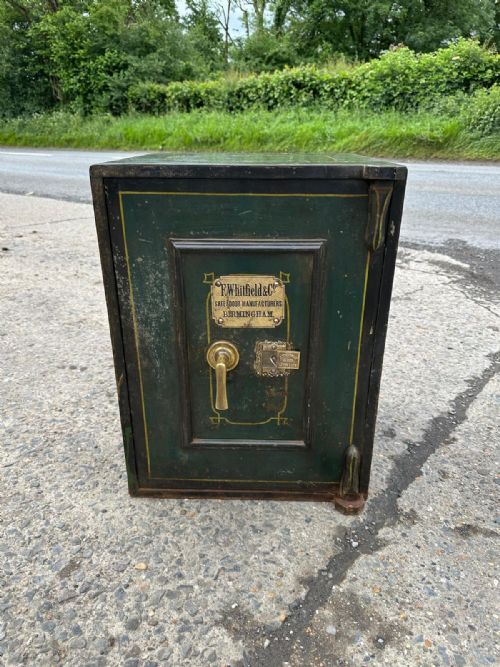
James Bruce·F. Whitfield & Co.·George Price·Faudels of London
The Black Iron Box Glossary
- Armada chest
- A heavy iron strongbox manufactured in Europe during the sixteenth and seventeenth centuries, fitted with a complex lid-locking mechanism. These boxes were traditionally used for storing valuables and ships' treasures.
- Strongbox
- A secure container built from iron or steel to protect money, deeds, and precious items from theft or fire. Victorian versions frequently incorporated manufacturer nameplates and multi-bolt locks.
- Toleware
- Metalware decorated with painted or japanned finishes, commonly produced during the Victorian period. Items of this type include coal boxes, trays, and small storage compartments.
- Campaign trunk
- A portable storage chest designed for military officers or travellers on the move. They often feature reinforced corners, drop handles, and durable metal construction.
- Perdonium
- A specialised nineteenth-century coal scuttle or box designed to store fuel neatly beside a fireplace. They frequently combined iron bodies with decorative brass or copper elements.
Black Iron Box: Frequently Asked Questions
What were iron strongboxes used for originally?
Iron strongboxes served to protect currency, important legal documents, and high-value possessions from both theft and household fires.
Their heavy metal construction and intricate locking systems made them essential security fixtures for businesses, noble households, and ships at sea.
How do I clean a black iron box?
Maintenance involves dusting the metal surfaces gently and applying a light microcrystalline wax to protect the iron from moisture.
Harsh chemical cleaners and abrasive scouring pads must be avoided to preserve any original black finish, paintwork, or aged iron patination.
Are nineteenth-century safes fireproof?
Many Victorian safes were marketed as fire-resistant, incorporating specialised internal linings to withstand high temperatures during a blaze.
While historical fireproofing provided adequate protection in its day, modern testing is rarely applied to antique containers used purely for display and storage.
How can I tell a Victorian safe from a modern replica?
Period safes exhibit heavy hand-forged or cast iron components, traditional flat-head screws, and mechanical lever locks requiring physical iron keys.
Weight, construction materials, and the presence of authentic maker plates from firms like George Price or F. Whitfield help distinguish genuine nineteenth-century examples.