



Black Iron Bench
A black iron bench offers enduring strength for garden and hall, uniting heavy metalwork with timber or leather.
Black Iron Bench
A black iron bench encompasses garden seating and fender styles from the nineteenth and early twentieth centuries. These pieces emerge in Victorian, Edwardian, and 1920s English forms, utilising cast iron, wrought iron, and steel.
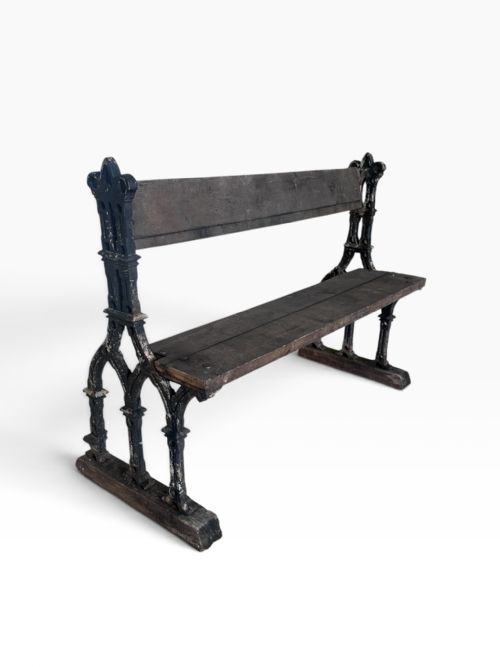
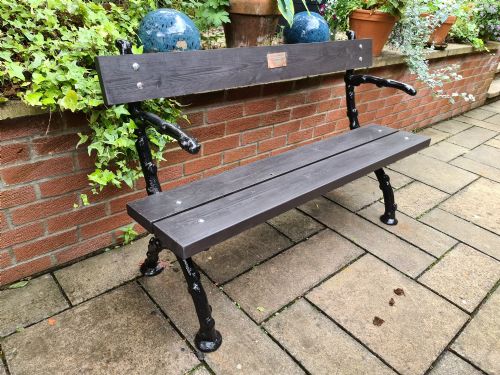
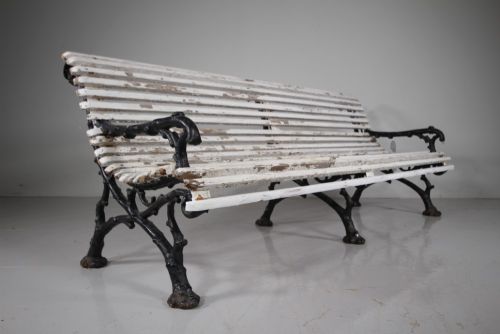
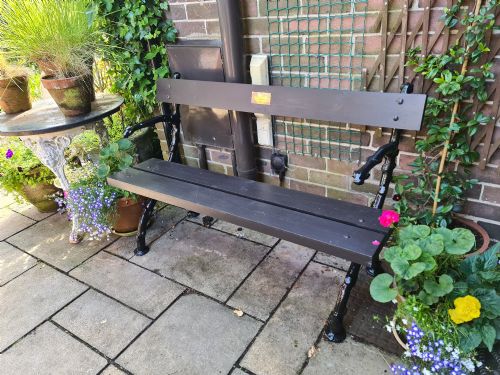
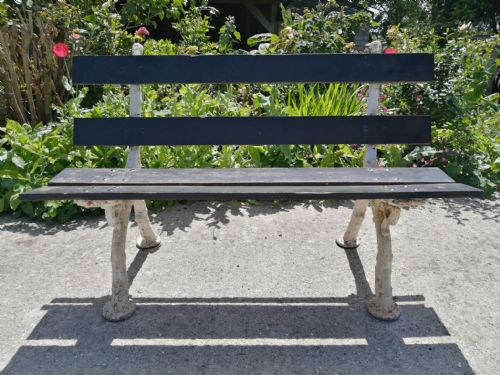
The most frequent versions on this page are nineteenth-century garden benches featuring cast iron frames, often paired with wood or timber slats. Examples range from plain industrial forms to ornate Victorian Gothic designs and rustic patterns.
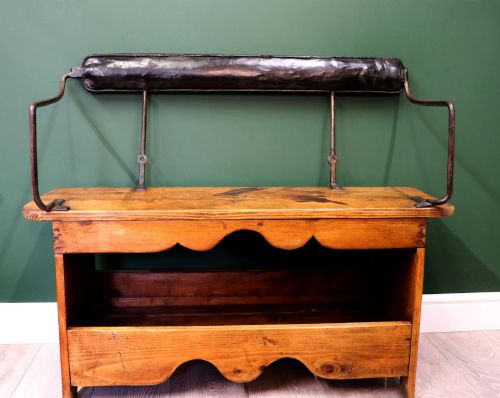
Beyond outdoor seating, the category includes indoor club fenders made from wrought iron and steel with leather squabs. These domestic pieces serve as hearthside seating within a hall or living space.
How they were made
Makers utilised heavy cast iron and wrought iron for structural frames, shaping molten metal in foundry moulds or forging it by hand. These metal elements were frequently finished with protective paint.
Wood, timber, pine, and oak form the seating slats and components, secured to the iron framework. Indoor club fenders incorporate leather upholstery alongside steel and wrought iron structures.
Black Iron Bench Retail Price Guide 2026
Typical asking prices for black iron bench among the pieces listed under this phrase on Sellingantiques today, from the lower quarter to the upper quarter. They describe what is for sale here now, not the wider market.
Listings feature pieces spanning the nineteenth century, the Victorian era, the Edwardian period, and the 1920s.
What varies in quality
The refinement of the casting and forging separates standard production from finer work, seen in crisp botanical details, such as faux bois branches, or clean geometric lines. Plain industrial forms contrast with elaborate Victorian Gothic or rustic patterns.
The choice of secondary materials influences the overall character, with seasoned oak and pine slats or quality leather upholstery complementing the metalwork. Maker attribution, such as Coalbrookdale work, elevates certain pieces above unmarked examples.
Coalbrookdale
The Black Iron Bench Glossary
- Cast iron
- A strong alloy poured into moulds to create intricate patterns and solid garden bench frames. This material defines the majority of nineteenth-century outdoor seating.
- Wrought iron
- Iron beaten and forged by hand into durable shapes for structural framework and club fenders. This technique yields a fibrous texture distinct from cast metal.
- Club fender
- A low-padded seat surrounding a fireplace, constructed from iron and leather. These pieces originated in gentlemen's clubs and grand halls during the Victorian and Edwardian eras.
- Faux bois
- A decorative style imitating natural wood grain, frequently cast into nineteenth-century garden furniture. This technique creates the illusion of rustic timber using durable metal.
- Timber
- Wood used for the slats and seating surfaces of garden benches. Pine and oak are common varieties found paired with iron frames.
Black Iron Bench: Frequently Asked Questions
Where should a black iron bench be placed?
These pieces suit both outdoor gardens and interior halls, depending on whether the structure is designed for weather resistance or indoor use.
Garden benches thrive on lawns or patios, while club fenders belong around a fireplace in a reception room.
How do I care for cast iron furniture?
Protect the metal surface with appropriate outdoor paint when weathering occurs, preventing rust from forming on the iron.
Keep wooden slats and leather elements conditioned and dry to preserve the original materials over time.
What is the difference between cast and wrought iron?
Cast iron involves pouring molten metal into a mould, allowing for complex decorative patterns like Gothic tracery or faux bois.
Wrought iron is hammered and shaped manually, resulting in sturdy, linear forms suited for fenders and simpler frames.
How do I date an antique iron bench?
Examine the stylistic cues, such as Victorian Gothic ornament, Edwardian proportions, or 1920s English club fender designs.
Construction methods and material combinations, such as pine paired with early ironwork, also indicate the period of manufacture.