




Black Horse Painting
Black horse painting brings together centuries of equine portraiture and rural craft, offering buyers a direct connection to historical subjects rendered in oil and water.
Black Horse Painting
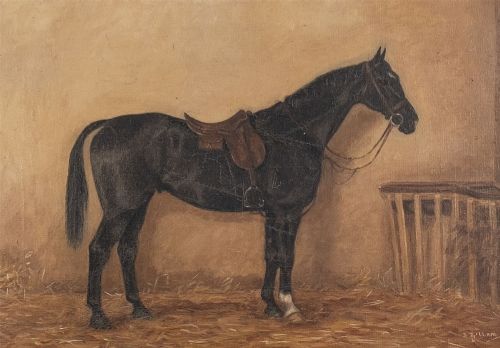
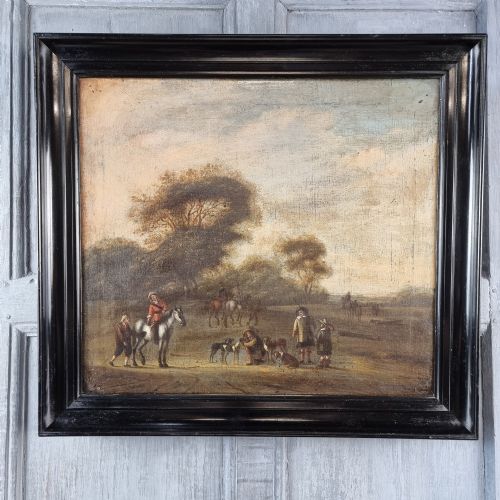
A black horse painting encompasses various depictions of equines, ranging from formal oil on canvas portraits to delicate watercolours and reverse glass paintings. These artworks capture the physical presence and character of horses through distinct historical periods, reflecting both academic skill and vernacular observation.
The pieces available display a notable breadth of styles, including Victorian realism, folk art, and French expressionism. Buyers encounter works executed across the nineteenth and twentieth centuries, with subjects spanning stable portraits, racing scenes, and rural life.
Materials and Methods
Artists employed oil on canvas or watercolour on paper to build depth and tone, particularly when capturing the reflective qualities of a dark coat. Frames often incorporate wood and ebonised finishes to complement the central composition.
Techniques range from traditional academic oil painting to reverse painting on glass, a method requiring precise brushwork applied directly to the rear surface to achieve a glossy, finished appearance from the front.
Listings feature works spanning the seventeenth through to the mid-twentieth centuries, utilising oil, watercolour, and glass.
Distinctions in Quality
Anatomy, proportion, and the handling of light define the upper tier of these works, where the artist successfully renders the musculature and spirit of the animal. Weaker examples often rely on stiff outlines and flat application of paint without tonal variation.
Framing and preservation also dictate standing. Works retaining their original period mounts and stable substrates command greater respect from collectors than those compromised by heavy restoration or poor storage.
Gabriel Dauchot·John Atkinson·R.D. Roberts·John Nost Sartorius
The Black Horse Painting Glossary
- Oil on canvas
- Pigment suspended in drying oil applied to a stretched canvas support. This medium allows for rich blending and deep tonal layers.
- Reverse glass painting
- An artwork created by applying paint to the back of a glass panel so the image is viewed through the front. It yields a distinctive reflective surface.
- Equestrian art
- Depictions of horses within fine art and folk traditions. This genre records the close relationship between humans and horses across centuries.
- Watercolour
- Pigment suspended in a water-soluble vehicle applied to paper. It creates transparent washes and immediate, fluid effects.
Black Horse Painting: Frequently Asked Questions
What periods do these paintings cover?
The selections span multiple centuries, capturing shifts in artistic technique from the seventeenth century through to the mid-twentieth century. Each era brings distinct conventions regarding subject matter and application.
Buyers will find examples representing Victorian realism, folk traditions, and later expressionist approaches, demonstrating how the depiction of horses evolved over time.
How do I care for an oil painting?
Keep works out of direct sunlight and away from damp environments to protect the canvas and underlying wooden stretcher frames. Gentle dusting with a soft, dry brush is generally sufficient for maintenance.
Avoid using commercial cleaning agents on the painted surface or glass. Professional conservators should handle any significant structural repairs.
What is reverse glass painting?
This technique involves applying paint directly to the reverse side of a glass sheet, meaning the artist must paint fine details and highlights first. When viewed from the front, the glass provides a glossy, protective glaze.
Pieces executed this way require careful handling to prevent scratching or flaking of the paint layer trapped behind the fragile glass panel.
How do folk art pieces differ?
Folk art works reflect vernacular traditions rather than formal academic training, often prioritising bold expression over strict anatomical accuracy. They offer a charming, direct insight into local aesthetic values.
Such pieces frequently utilise accessible materials and display hand-finished qualities that distinguish them from academic studio works of the same period.