




Black Glazed Pottery
Black glazed pottery encompasses diverse utilitarian and decorative ceramic vessels from the nineteenth and early twentieth centuries.
Black Glazed Pottery
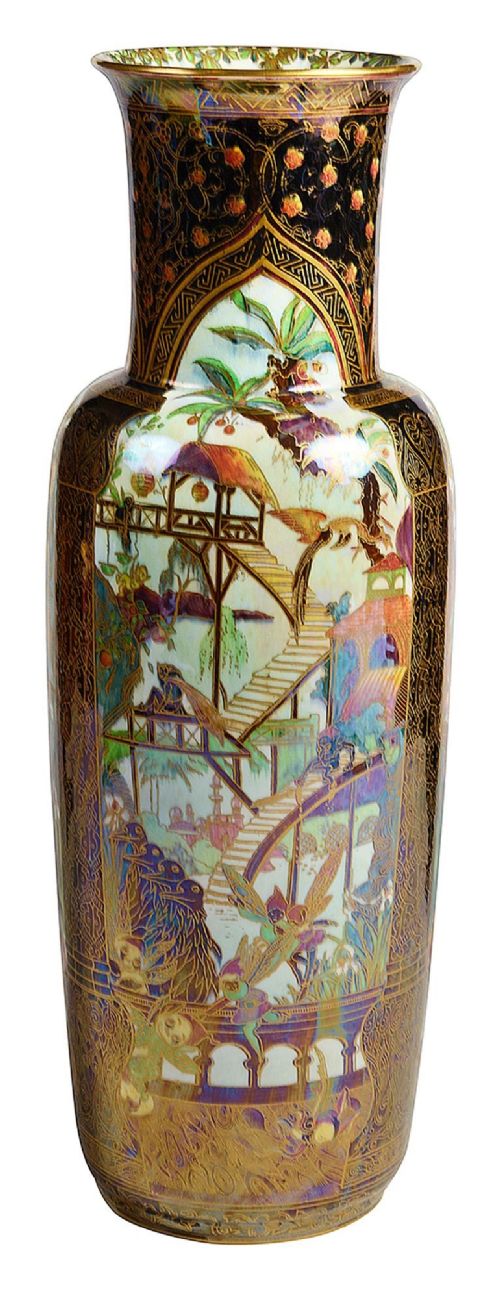
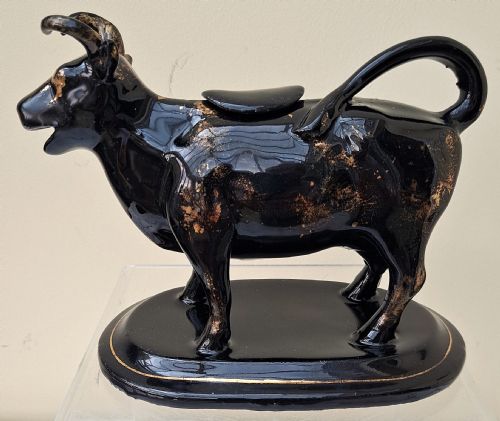
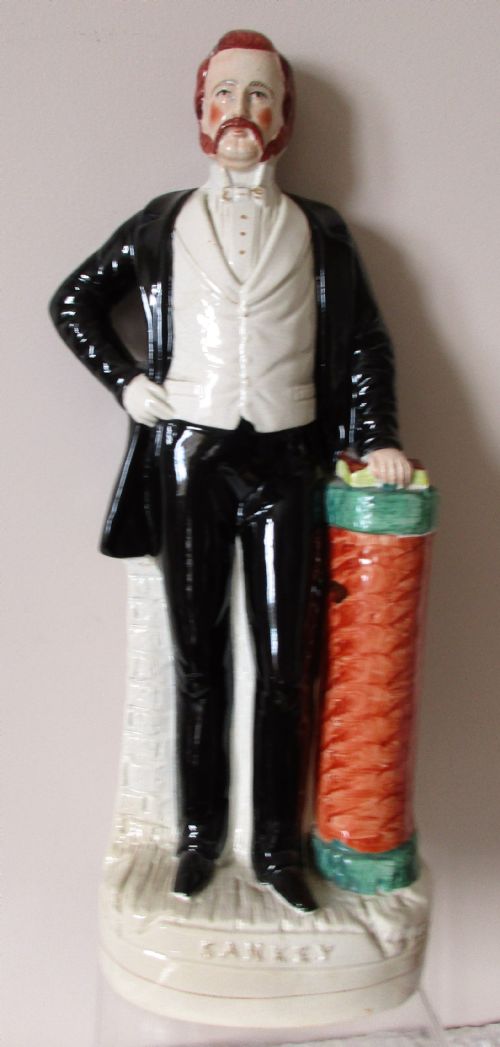
Black glazed pottery brings together nineteenth-century utilitarian vessels, Victorian Staffordshire figures, and early twentieth-century art pottery with dark surfaces. Buyers exploring black glazed pottery encounter diverse forms including milk jugs, cow creamers, vases, and portrait figures.
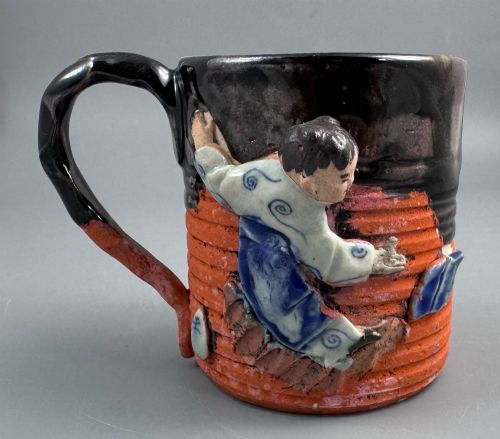
The selection ranges from traditional English Jackfield wares and Staffordshire dogs to Japanese Sumida Gawa mugs with applied figures and continental vases. These pieces represent distinct regional traditions spanning Victorian production through the Art Deco period.
Makers and workshops from England, France, Italy, and Japan utilised various ceramic bodies beneath their dark or pigmented surfaces. Each piece offers a tangible link to historical domestic or decorative arts.
Materials and Techniques
Potters employed earthenware, terracotta, porcelain, and ceramic bodies as foundations for dark glazes, enamel decoration, and occasional gilt highlights. Artisans shaped these materials into utilitarian pitchers, teacups, and decorative figurines.
Specialised firing techniques and rich glaze applications created the characteristic glossy or textured dark surfaces seen on Jackfield pieces and art pottery vases. Relief elements, such as applied figures on Japanese Sumida Gawa wares, were individually modelled before attachment.
Hand painting and enamel work frequently ornamented the surfaces, combining dark glaze grounds with contrasting details in white, gold, or polychrome pigments.
Cows served as creamers and dogs held quills on Victorian desks, proving that historical tea tables and studies demanded robust animal companionship.
Evaluating Quality
Quality rests upon the precision of the modelling, the depth and consistency of the glaze, and the clarity of any applied or hand-painted details. Superior pieces display crisp definition in portrait figures and animal models.
The sophistication of the design, whether in the restrained elegance of an Art Deco vase or the intricate modelling of a Sumida Gawa mug, distinguishes finer examples from standard production.
Integrity of the ceramic body and the preservation of original surface finishes determine the desirability of these historical pieces.
Wedgwood·Inoue Ryōsai Workshop·Richard Ginori·Limoges·Beswick
The Black Glazed Pottery Glossary
- Jackfield
- A type of British pottery traditionally finished with a glossy black glaze over a red earthenware body. It gained popularity during the Victorian era for tea wares and novelty creamers.
- Staffordshire
- Pottery manufactured in the Staffordshire region of England, encompassing popular animal figures, portrait statues, and tableware from the nineteenth century.
- Sumida Gawa
- Japanese ceramic ware characterised by heavily textured surfaces and applied figurative elements, often associated with the Meiji and Taisho periods.
- Earthenware
- Porous pottery fired at lower temperatures, commonly used for historical figures and utilitarian vessels before being glazed.
- Gilt
- Application of gold or golden pigment used to highlight details on ceramic surfaces and figures.
Black Glazed Pottery: Frequently Asked Questions
What is black glazed pottery?
Black glazed pottery refers to ceramic and earthenware pieces finished with dark or black glossy glazes. The category includes utilitarian jugs, decorative vases, and traditional figures.
These items span various nineteenth and twentieth-century production centres across Europe and Asia, reflecting diverse regional styles.
How do I care for antique pottery?
Antique ceramics require gentle handling and cleaning with a soft, dry cloth to protect fragile surface glazes and enamel details. Avoid submerging older porous earthenware in water.
Display pieces away from direct sunlight and dramatic temperature fluctuations to preserve the ceramic body and finish.
Are these pieces marked?
Some pieces bear maker stamps, workshop signatures, or impressed numbers, while others remain unmarked. Japanese Sumida Gawa wares frequently feature artist signatures.
English Staffordshire figures and Victorian utility pieces often rely on stylistic attribution rather than explicit maker marks.
How do I date these ceramics?
Dating relies on stylistic markers, manufacturing techniques, material composition, and any associated signatures or registry marks. Victorian pieces display distinct decorative conventions compared to later Art Deco designs.
Comparing glaze characteristics and form helps place pieces within periods like the Meiji era or the 1930s.