





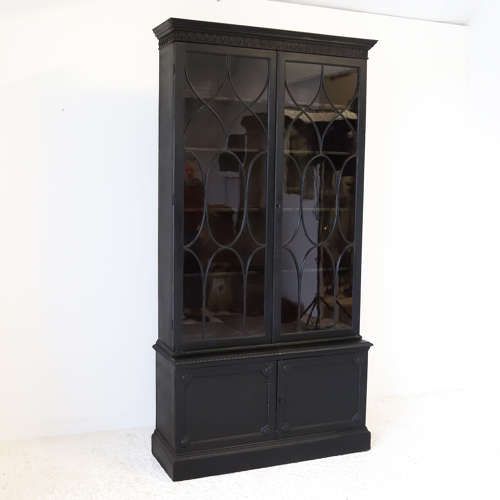

Black Glazed Cupboard
A black glazed cupboard brings deep tone and visible storage to a room, offering a disciplined frame for collections.
Black Glazed Cupboard
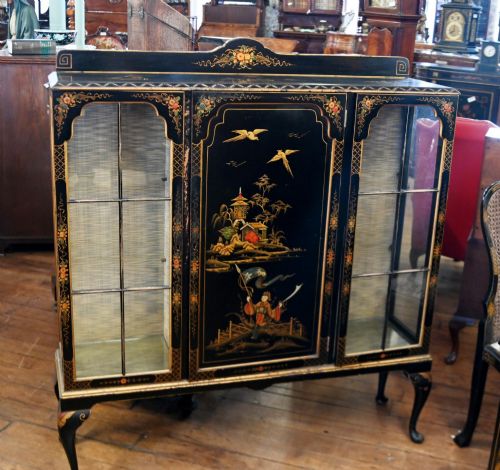
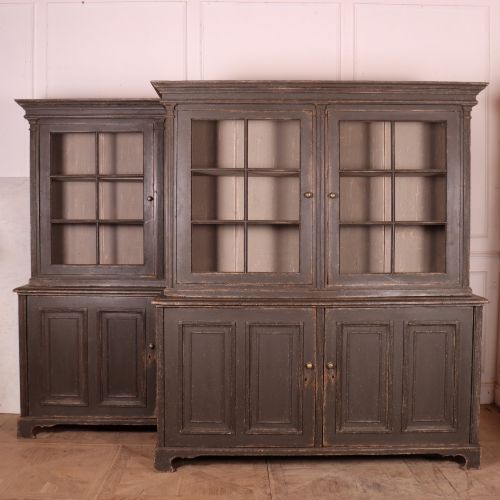
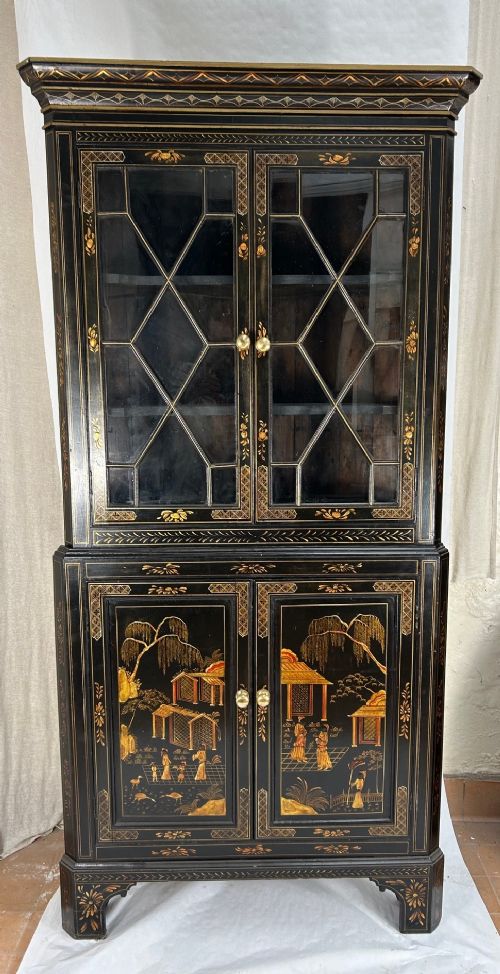
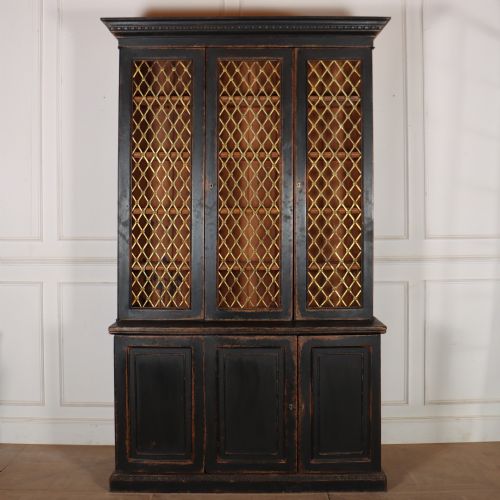
A black glazed cupboard encompasses forms designed to display and contain, ranging from tall library bookcases to compact pier cabinets and corner cupboards. When searching for a black glazed cupboard, buyers encounter pieces finished in ebonised wood, dark paint, and lacquered surfaces from various periods.
The selection on this page draws heavily from Victorian ebonised furniture, Edwardian interpretations, and eighteenth-century Dutch pieces. Vitrines and display cabinets dominate the forms, each featuring glass panels intended to protect objects while keeping them visible.
Origins stretch across English, Dutch, French, and Scottish workshops, showing distinct regional tastes in dark finishes. Some pieces utilise Chinoiserie decoration or Boulle technique, while others rely purely on the depth of black paint or ebonised walnut.
How they were made
Construction relies on timber frames finished with ebonised treatments, black paint, or dark lacquer to achieve a solid, absorbing surface. Wood types such as walnut and ebony provide the dense structural base needed for these dark exteriors.
Glazing secures the front and side apertures, framing the interior shelves designed for porcelain or books. Brass mounts, ormolu details, and tortoiseshell inlay frequently punctuate the dark timber surfaces, adding metallic and tonal contrast.
Black Glazed Cupboard Retail Price Guide 2026
Typical asking prices for black glazed cupboard among the pieces listed under this phrase on Sellingantiques today, from the lower quarter to the upper quarter. They describe what is for sale here now, not the wider market.
What varies in quality
The sophistication of the surface treatment defines the upper tier of these pieces, distinguishing simple painted finishes from intricate Boulle work, hand-applied lacquer, and precise ormolu mounts. The crispness of applied brass and the depth of the ebonisation dictate visual weight.
Proportion and joinery integrity separate standard utility pieces from fine cabinet-making. Cabinets featuring hand-cut glazing bars, balanced hardware, and integrated Sevres plaques demonstrate superior workshop origin.
The Black Glazed Cupboard Glossary
- Ebonised
- Timber treated to resemble ebony through staining or painting. This process creates a dense, uniform black finish popular in Victorian and later furniture.
- Ormolu
- Gilt-bronze decorative mounts applied to furniture. These cast metal details provide bright contrast against dark wooden surfaces.
- Boulle
- Marquetry technique utilising tortoiseshell and brass. Developed in France, this method creates elaborate metallic patterns across cabinet doors.
- Vitrine
- A glass-fronted display cabinet designed for porcelain or curiosities. The glazed panels allow light to enter from multiple angles.
- Pier cabinet
- A low cabinet designed to fit wall spaces between windows. These pieces often feature glass doors and flat tops.
Black Glazed Cupboard: Frequently Asked Questions
How do I style a black glazed cupboard?
Position the piece against a lighter wall to let the dark finish define the silhouette. Ensure surrounding lighting highlights the glazed panels and any interior contents.
Keep nearby furnishings understated to let the cabinet act as a focal point. Use the internal shelves to display uniform collections that complement the period of the piece.
What rooms suit a black glazed cupboard?
These cabinets work effectively in drawing rooms, dining spaces, or studies where display and containment are both required. Tall bookcases suit libraries, while smaller pier cabinets fit narrower wall spaces.
The glazed doors protect contents from dust while maintaining an open feel in the room. This makes them practical for exhibiting books, ceramics, or glassware.
How do I identify Victorian ebonised furniture?
Look for dense timber stained or painted to a deep black tone, often paired with contrasting gilt brass mounts or porcelain plaques. The finish mimics expensive ebony popularised during earlier centuries.
Examine the hardware and interior construction for period-specific joinery methods. Many pieces incorporate French or Dutch design influences typical of the nineteenth-century revival styles.
What is the difference between a vitrine and a bookcase?
A vitrine is primarily built for displaying decorative objects like porcelain and glass, featuring glazed side panels as well as front doors. A bookcase focuses on shelf capacity for bound volumes.
Bookcases often feature solid wooden lower cupboards with glazed upper sections. Vitrines prioritise visibility from multiple angles to showcase delicate items.