






Black Glass Framed Art
Black glass framed art comprises historical prints, mirrors and reverse glass paintings held in dark or ebonised surrounds, prized for their deep tonal contrast.
Black Glass Framed Art
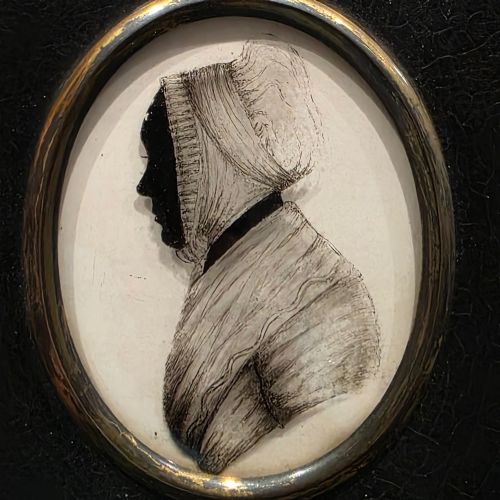
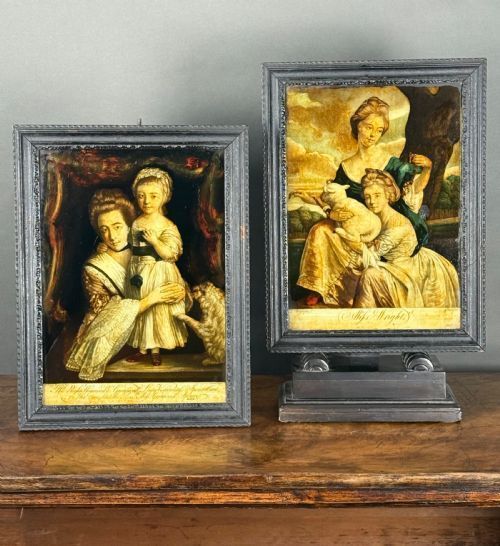
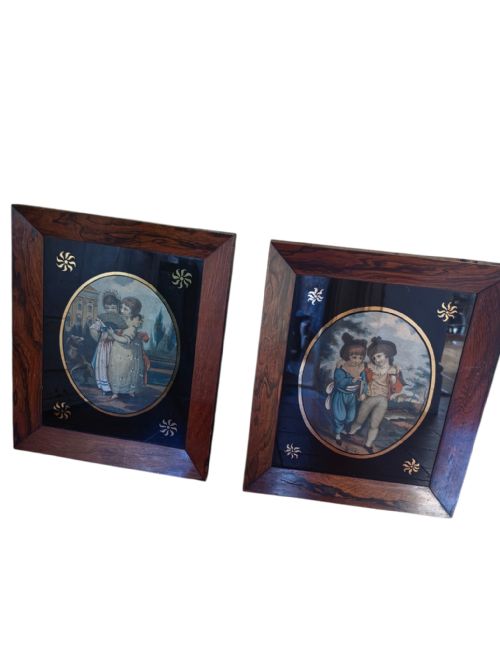
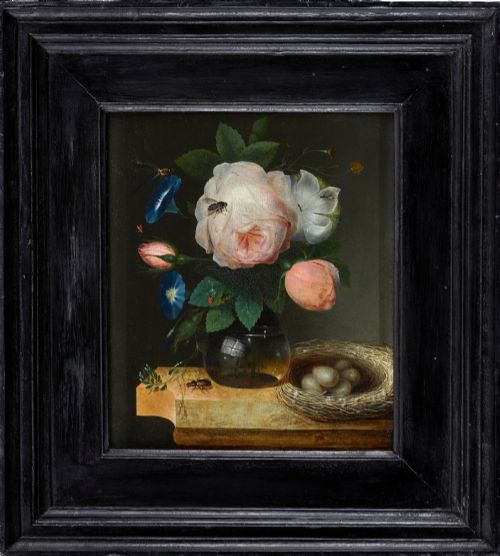
When you search for black glass framed art, you encounter a specialised selection of wall hanging pieces that rely on dark surrounds to frame delicate inner imagery. The selections on this page span Georgian portraits, Regency prints and later directional signs, united by their dark framing materials and glass surfaces.
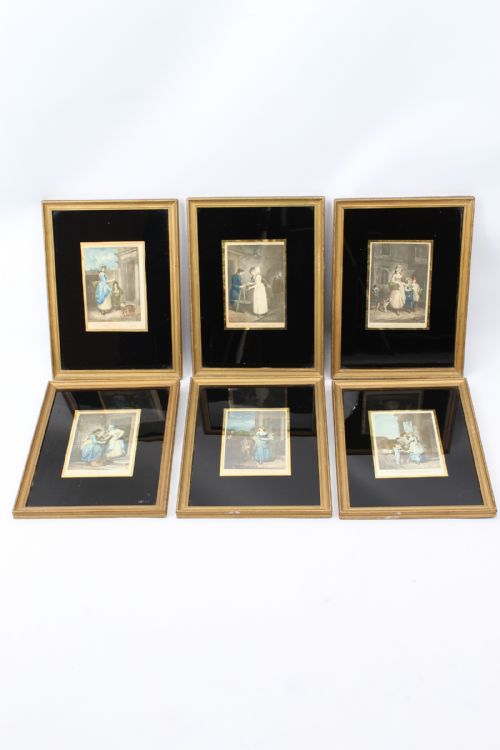
Many examples take the form of reverse glass paintings and mezzotints, where the image is applied directly to the rear of the glass panel. These delicate works require stable surrounds, often utilising ebonised timber or polished dark frames to contain and protect the fragile medium.
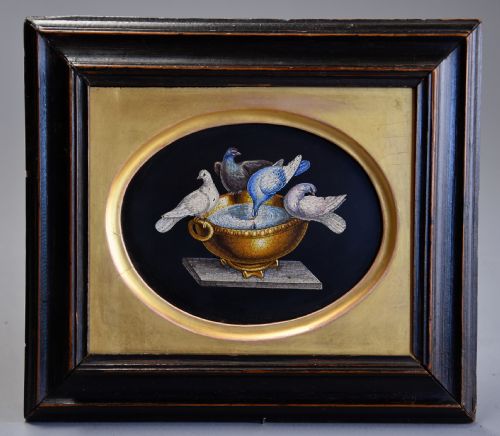
The periods represented stretch from the seventeenth century through to the Art Deco era, encompassing Chinese export mirrors and Victorian micro-mosaics alongside British silhouettes. Each piece demonstrates how historical makers utilised dark borders to draw the eye inward towards the painted or printed subject.
Materials and construction methods
The construction relies heavily on clear glass panes paired with timber frames finished in ebonised dark tones or rosewood. Artisans painted or transferred mezzotints directly onto the reverse side of the glass, a technique requiring immense precision because any error on the front layer ruined the entire composition.
Frames frequently incorporate woods such as oak and rosewood, darkened or polished to provide a stark contrast against gilt highlights, paper, silkwork or pigment. Pigments, gold leaf and occasional mother of pearl inlay further enhance the decorative scheme within the dark boundaries.
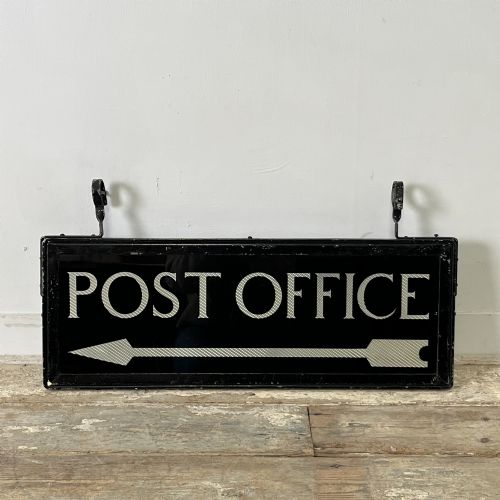
Even postal directions required artistry, as proven by the double-sided glass post office sign from the 1920s.
Assessing quality and execution
The integrity of the framing hardware and the depth of the ebonised wood also dictate the standard of the piece. Authentic older mouldings with original glass panels display subtle imperfections that distinguish period manufacture from later reproductions.
John Miers·Fletcher·Sebastiaan Vrancx·Gaspar Peeter Verbruggen·Robert Sayer·Abraham Cooper·Henry Corbould·Richard Phillips
The Black Glass Framed Art Glossary
- Reverse glass painting
- A technique where the artist paints directly onto the back of a glass pane, viewed from the unpainted front side. This method creates a glossy, luminous surface finish.
- Ebonised
- Wood treated with a dark stain or finish to imitate ebony wood. It provides a stark, uniform black border around historical prints and mirrors.
- Mezzotint
- A printmaking process of the intaglio family where tones are created by roughening the plate with a rocker. It yields rich dark shades well suited to eighteenth-century portraiture.
- Silhouette
- A portrait profile filled in with a solid dark colour, often black, contrasting sharply with a pale background. These were frequently painted directly onto glass during the Georgian period.
- Micromosaic
- Tiny coloured glass tesserae assembled into intricate pictorial plaques. These detailed Italian works often appeared within dark or ebonised frames during the nineteenth century.
Black Glass Framed Art: Frequently Asked Questions
What is reverse glass painting?
Reverse glass painting involves applying pigment directly to the rear side of a glass panel so the final image is viewed through the front. This creates a distinct glossy finish that protects the paint from atmospheric dust.
Artisans applied this method across the eighteenth and nineteenth centuries to produce portraits, decorative scenes and directional signs.
How do I care for these pieces?
Keep these works away from direct sunlight and damp environments to protect the fragile pigments and paper elements sealed behind the glass. Clean the exterior glass gently with a dry cloth and avoid spraying liquids directly onto the frame joints.
Ensure the hanging wire and wall fixings remain secure because many older frames carry heavy glass panels and dense timber mouldings.
How can I tell the period?
Examine the framing materials, backing boards and the style of the script or costume depicted within the glass. Georgian and Regency pieces often feature distinct hand-lettered titles, silkwork backing or early ebonised wood mouldings.
Closer inspection of the glass itself may reveal historical bubbles or waviness indicative of older manufacture rather than modern production.
Where were these displayed originally?
These framed works hung in period parlours, domestic hallways and institutional spaces as decorative portraits, informative signs or commemorative displays. Smaller silhouettes and micro-mosaics were often kept in private studies or carried during grand tours.
Larger mirrors and directional signage served practical functions in public buildings alongside domestic decorative schemes.