


Black Glass Frame
When you search for a black glass frame, you are looking at dark-surfaced surrounds and glazed display enclosures spanning from the Georgian era to the early twentieth century.
Black Glass Frame
A black glass frame brings together dark-surfaced surrounds, ebonised wood, and glazed enclosures that house prints, mirrors, and taxidermy. The pieces appearing under this search phrase span from the eighteenth century through the Victorian and Edwardian periods into the 1920s.
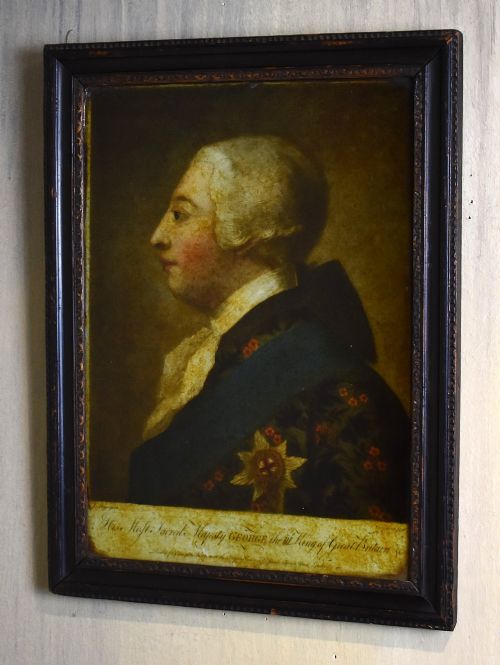
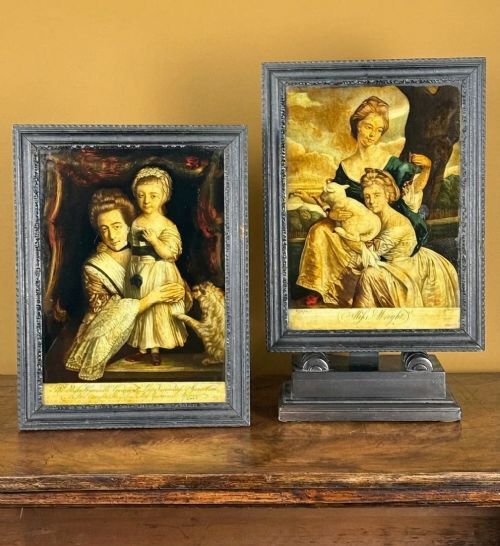
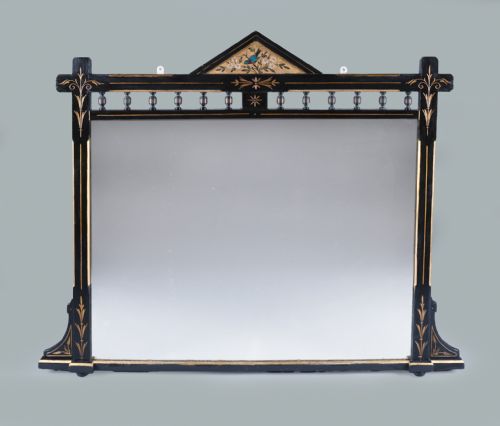
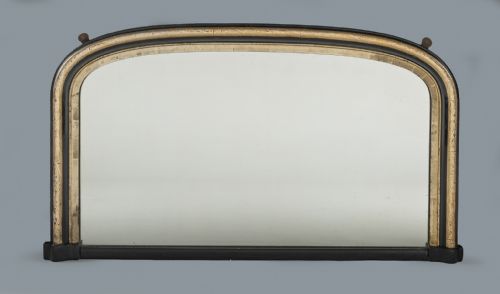
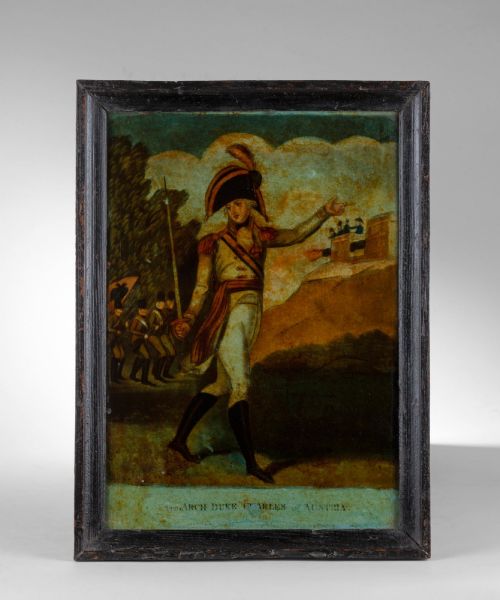
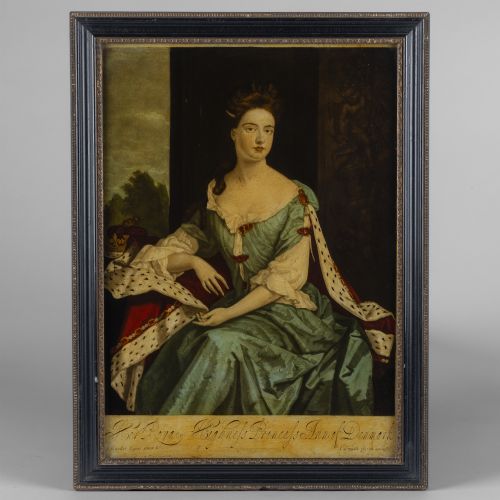
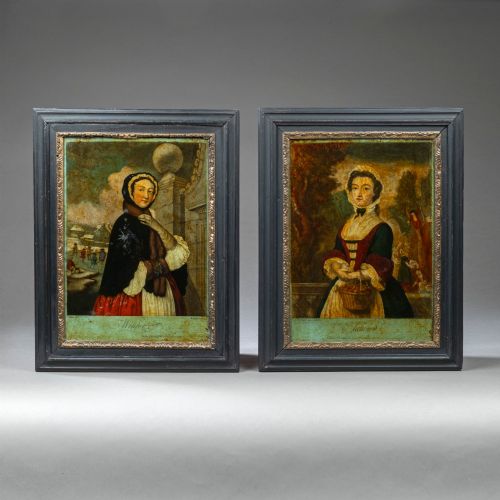
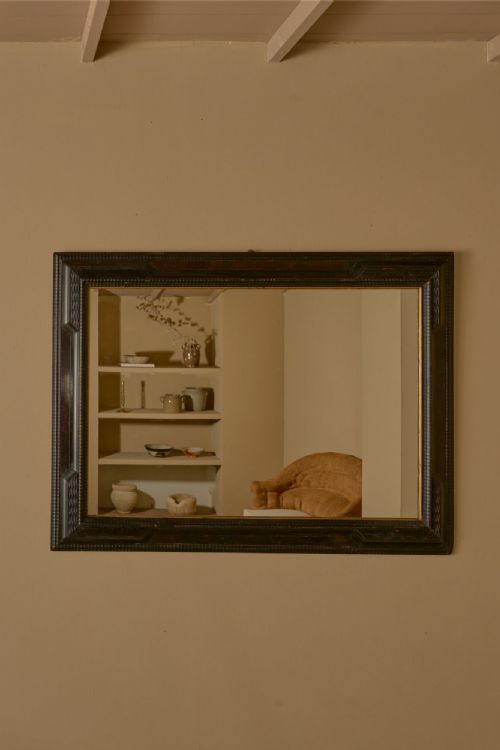
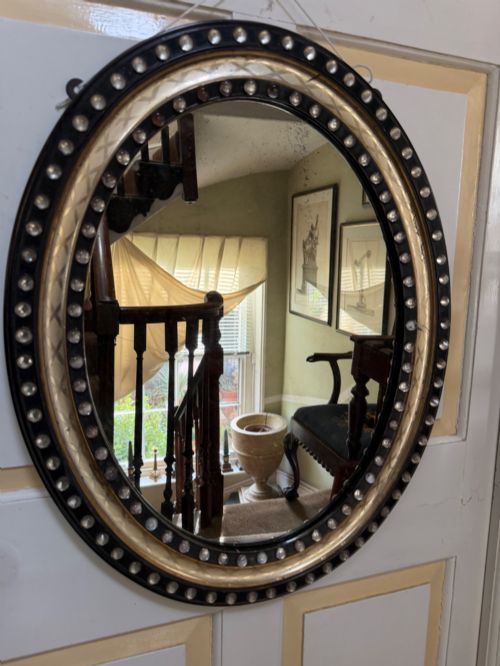
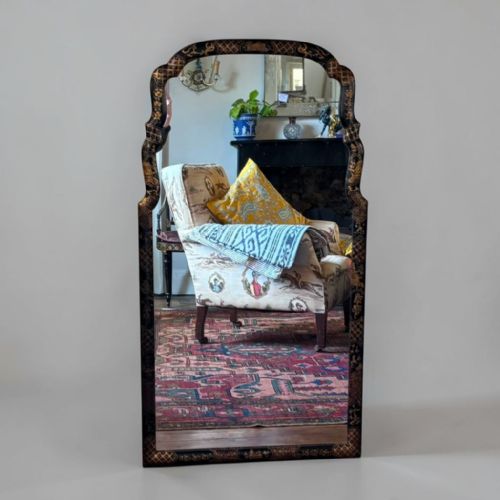
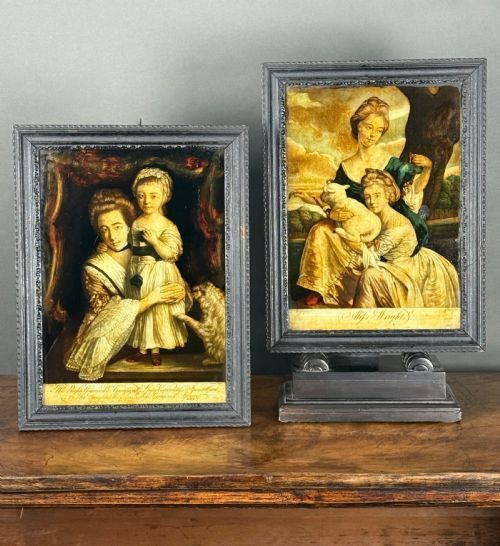
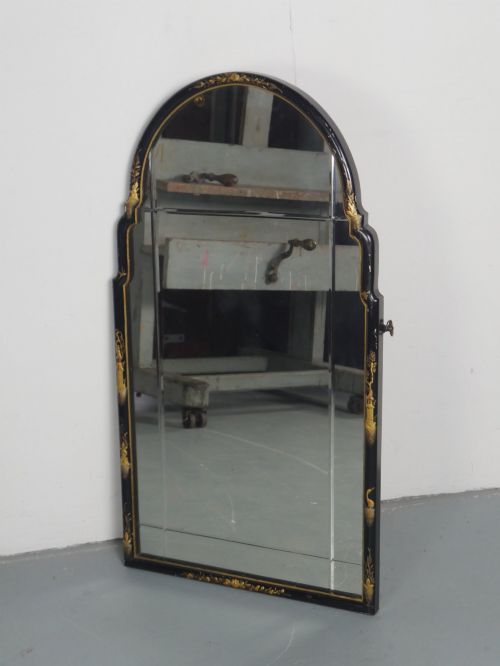
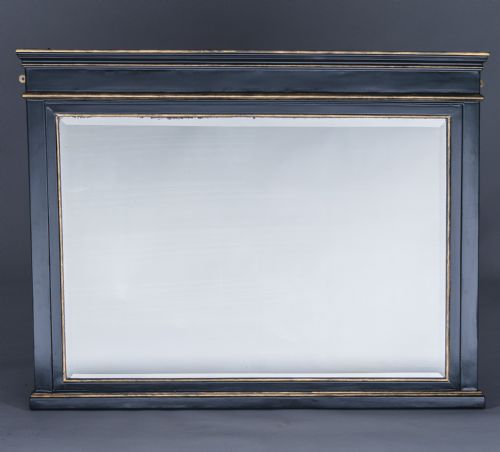
Mirrors form a large part of the selection, including overmantel, pier, and wall mirrors framed in ebonised wood or dark finishes. Other examples contain reverse glass prints, silhouettes, and painted panels.
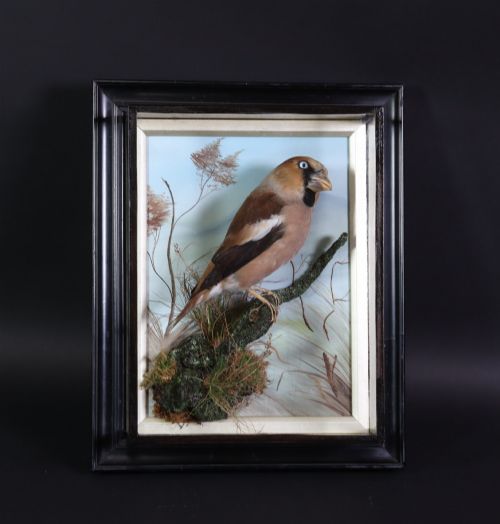
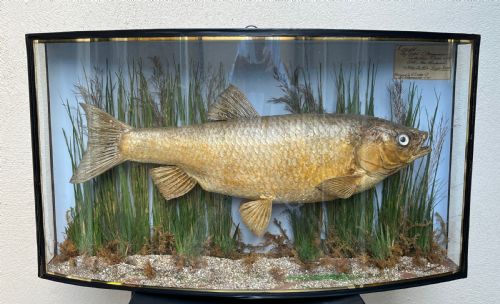
Enclosed glazed cases also appear, notably taxidermy dioramas and directional signs protected behind glass frontages. The versatile dark borders unite disparate decorative objects from across multiple centuries.
Materials and construction methods
Makers utilised timber treated with ebonising agents to imitate costly ebony, frequently combining the deep black surfaces with gold leaf, parcel-gilt, or brass highlights. Wood structures support reverse glass paintings, mezzotints, and delicate paper silhouettes.
Glazing technique plays a central role, from flat window glass protecting fragile prints to convex and mirrored glass used in wall mirrors and fairground pieces. Sturdy timber or painted cases enclose three-dimensional taxidermy specimens behind clear panels.
Black Glass Frame Retail Price Guide 2026
Typical asking prices for black glass frame among the pieces listed under this phrase on Sellingantiques today, from the lower quarter to the upper quarter. They describe what is for sale here now, not the wider market.
Fairground mirrors bend reflections to amuse visitors, turning ordinary reflections into wonderful optical tricks.
Distinctions in craftsmanship and condition
Quality rests in the preservation of the delicate surfaces, particularly on reverse glass prints and silhouettes where flaking or fading alters the imagery. The depth of the ebonisation and the crispness of any parcel-gilt carving separate standard production items from finer workshop pieces.
Structural integrity of the underlying wood and the clarity of the original glass pane determine the enduring merit of each piece. Intricate details such as reverse painting execution or taxidermy taxidermist skill elevate specific examples.
Little & Co·T. E. Gunn·Robert Sayer
The Black Glass Frame Glossary
- Ebonised
- Wood treated with a dark stain or finish to simulate expensive ebony timber. This dark treatment was popular across Victorian and earlier furnishings.
- Reverse glass painting
- An artwork applied directly to the rear side of a glass panel so that the final image is viewed through the transparent front. This fragile technique produces a glossy, reflective surface.
- Mezzotint
- A printmaking process of the intaglio family where tonal gradations are achieved by roughening the copper plate. These prints often appear under glass in period frames.
- Overmantel mirror
- A large mirror designed to hang specifically above a fireplace mantelpiece. They frequently feature ebonised and gilt wooden frames.
- Micromosaic
- Tiny coloured glass tesserae assembled into intricate pictorial plaques. These delicate works are commonly set into protective frames.
Black Glass Frame: Frequently Asked Questions
How do I clean a black glass frame?
Use a soft, dry cloth to remove dust from the ebonised wood or outer frame without disturbing fragile surfaces. Avoid harsh chemical cleaners that might damage nineteenth-century finishes or aged glass.
For glazed areas, apply a mild glass cleaner sparingly to a cloth rather than spraying directly onto the piece. This prevents moisture from seeping behind the glass and harming prints or backing materials.
Where should I hang an ebonised mirror?
Place mirrors on walls where they can reflect natural light to brighten darker rooms. Overmantel versions suit positions directly above a fireplace, following their original nineteenth-century placement.
Ensure the wall fixings can support the weight of heavy wooden or glass-fronted pieces. Keep them away from direct sunlight to protect painted details and ebonised finishes from fading.
How do I date a reverse glass print?
Examine the style of the imagery, clothing, and hair depicted in the portrait or scene to align with Georgian or Victorian aesthetics. Eighteenth-century examples often feature fine mezzotint work with distinct publication text.
Check the backing boards and framing materials for signs of age, such as hand-cut timber or old handmade nails. Early pieces usually exhibit subtle irregularities in the glass manufacture.
Are taxidermy cases safe in modern homes?
Enclosed glass cases protect mounted specimens from dust and physical damage in a domestic setting. Keep them out of humid environments and direct sunlight to preserve the feathers and fur.
Inspect the sealed joints periodically to ensure the interior remains secure. Stable room temperatures help maintain the condition of nineteenth-century taxidermy displays.