







Black Forest Wooden Dog
These black forest wooden dog carvings combine alpine craftsmanship with utilitarian charm, offering collectors characterful desktop accessories and sculptural furniture.
Black Forest Wooden Dog
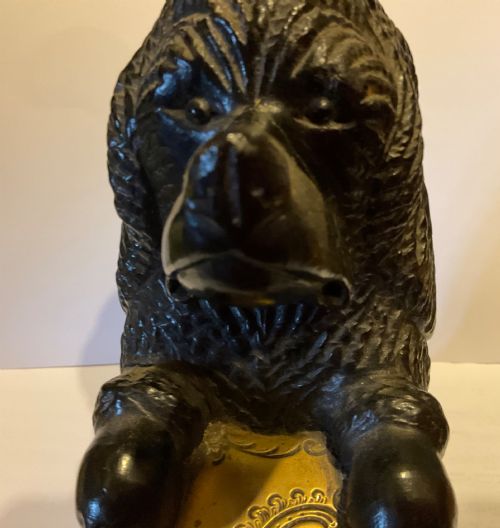
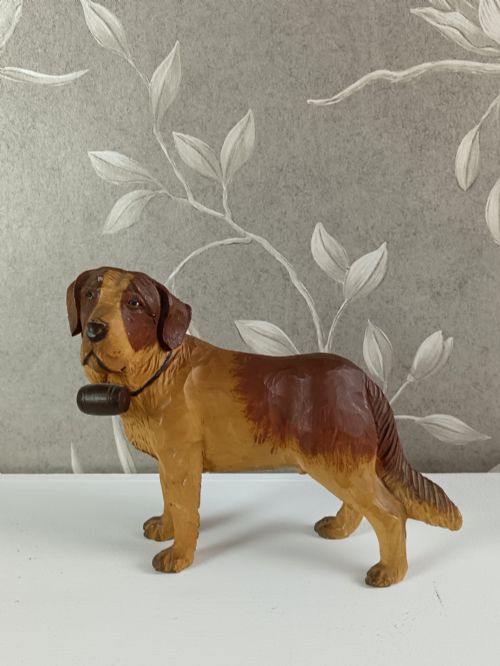
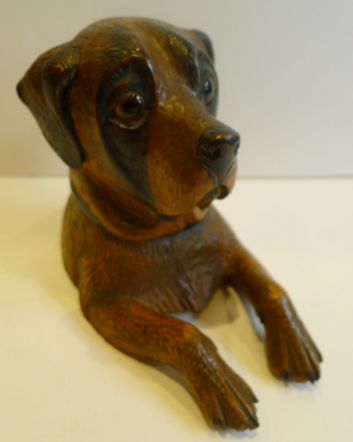
A black forest wooden dog typically takes the form of a functional desk accessory, a furniture support, or a standalone sculpture. The selection ranges from inkwells and tobacco boxes to side tables and walking sticks depicting breeds such as the Saint Bernard, Alsatian, and fox.
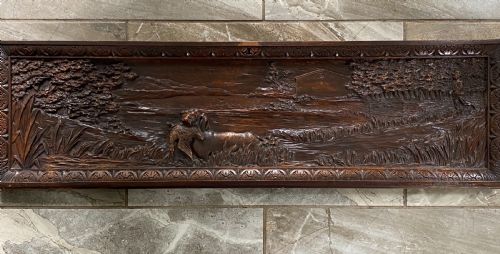
Buyers encounter everything from small bookends to large overdoor hunting panels and seated hound side tables. These objects served both decorative and practical domestic roles in European households.
Materials and carving techniques
Carvers predominantly utilised linden wood and walnut, selecting timbers with tight grains suited for intricate detailing. Glass eyes often appear in the animal sockets to heighten realism, while brass fittings integrate into functional pieces like inkwells and match holders.
Black Forest Wooden Dog Retail Price Guide 2026
Typical asking prices for black forest wooden dog among the pieces listed under this phrase on Sellingantiques today, from the lower quarter to the upper quarter. They describe what is for sale here now, not the wider market.
Some canine walking sticks feature moving parts that turn a simple stroll into a mechanical conversation piece.
Evaluating the craftsmanship
Quality rests in the anatomical accuracy of the carving and the depth of the relief work. Master carvers captured musculature, fur texture, and realistic expressions with precision, whereas lesser pieces display stiff rendering and simple tool marks.
The integration of utility also dictates value, with items where the carved animal conceals a box, inkwell, or match holder seamlessly demonstrating superior design. Condition of the timber and the retention of original glass eyes further separate standard examples from finer works.
Maison F. Mack
The Black Forest Wooden Dog Glossary
- Alpine Folk Art
- Regional decorative carving tradition originating from mountain communities. This style emphasises local fauna, rustic materials, and hand-tooled domestic objects.
- Humidor
- A moisture-controlled box designed for storing cigars. In this category, the lids and surfaces feature carved wooden hounds.
- Inkwell
- A small container for holding ink, placed on a desk. Many nineteenth-century examples incorporate hinged dog heads that lift to reveal the glass insert.
- Articulated
- Jointed construction allowing movement in parts of the object. Certain walking sticks utilise this to make the canine jaw or limbs pose.
Black Forest Wooden Dog: Frequently Asked Questions
What animals are shown?
The carvings primarily depict various dog breeds associated with the countryside and rescue work. Saint Bernards, Alsatians, terriers, and hounds appear frequently across the objects.
Specific pieces also feature foxes alongside canine subjects, reflecting traditional hunting motifs common in the nineteenth century.
How were they used?
Many pieces served practical functions on Victorian desks and tables. Inkwells held writing fluid, match dispensers stored fireplace vestas, and tobacco boxes kept smoking supplies dry.
Other items functioned as walking aids, bookends, or sculptural furniture supports like side tables and overdoor panels.
Are the eyes original?
Glass eyes were commonly set into the carved wooden sockets to create lifelike expressions. Inspecting the interior fitting helps determine if replacements were added later.
Original eyes match the period manufacturing techniques and fit snugly within the carved wooden contours of the head.
How do I date them?
Dating relies on stylistic markers, hardware construction, and the type of timber utilised. Pieces from the nineteenth century often exhibit deep walnut relief and hand-turned ink inserts.
Later twentieth-century examples shift in proportion and finish, aligning with changing European decorative arts trends.