



Black Forest Wildlife
Black forest wildlife carvings bring dramatic nineteenth-century forestry into the home through remarkably lifelike figures of red deer, ibex, and birds of prey.
Black Forest Wildlife
When you search for black forest wildlife, you are looking at nineteenth-century carved wooden sculptures and functional furnishings originating from the mountain regions of Switzerland and Germany. These pieces depict animals in naturalistic poses, ranging from red deer and ibex to foxes and birds of prey.
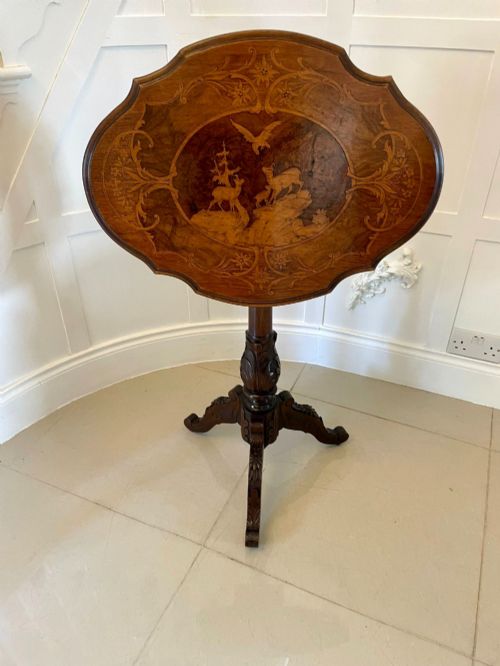
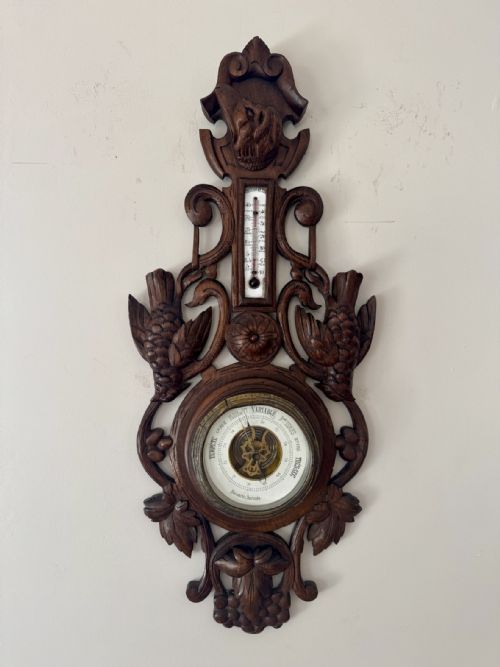
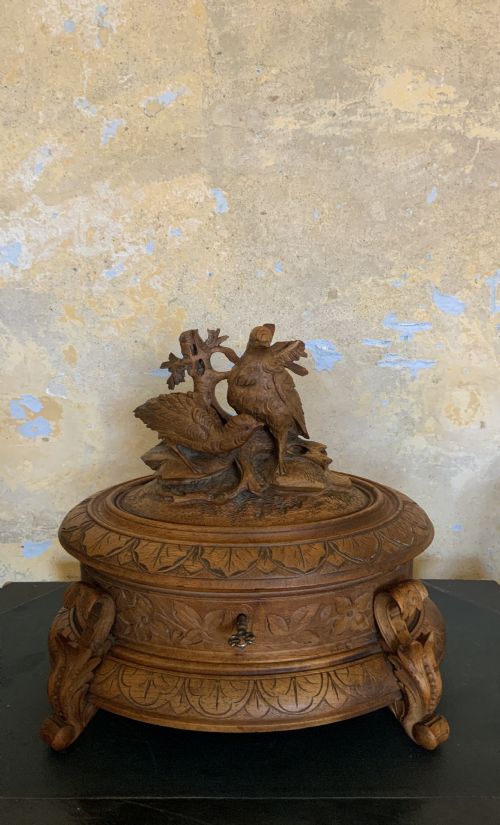
The objects on this page span from occasional tables and aneroid barometers to wall mirrors, caskets, and hall stands. The most common forms are sculptural animal studies and relief plaques mounted with natural elements like foliage and game.
Originating predominantly between eighteen-sixty and nineteen-ten, these carvings capture the Victorian appetite for rustic decoration and chalet-style interiors. Walnut and linden wood provide the primary mediums for these detailed forest scenes.
Materials and construction methods
Carvers utilised native hardwoods such as walnut and lime wood, chosen for their fine grain and suitability for intricate detailing. Mixed hardwood inlays frequently enhance larger furniture pieces like tables and caskets.
Surfaces receive careful hand finishing to accentuate fur textures, feather patterns, and muscular tension in the animal subjects. Supplementary materials like glass eyes and brass hardware complete functional items such as barometers and wall mirrors.
Black Forest Wildlife Retail Price Guide 2026
Typical asking prices for black forest wildlife among the pieces listed under this phrase on Sellingantiques today, from the lower quarter to the upper quarter. They describe what is for sale here now, not the wider market.
Listings span from eighteen-sixty to nineteen-ten, recording carved wood, walnut, lime wood, glass, brass, and metal across sculptures, furniture, and barometers.
Assessing quality in carving
The standard of carving distinguishes exceptional pieces from standard workshop output through anatomical accuracy and depth of relief. Superior examples capture realistic tension in the musculature of animals like the ibex or red deer rather than relying on stiff or generalised forms.
Integration into functional objects also dictates merit. Pieces where the wildlife carving forms an organic part of a hall stand, mirror frame, or barometer show greater design cohesion than items where the decoration appears merely applied.
The Black Forest Wildlife Glossary
- Aneroid barometer
- A barometer that measures atmospheric pressure without liquid, frequently housed within intricately carved wooden frames in this tradition.
- Linden wood
- A pale, fine-grained timber often utilised for delicate wildlife sculptures due to its predictable response to hand gouges and chisels.
- Marquetry
- Decorative inlay work using various tinted wood veneers to create geometric or pictorial patterns on tabletops and furniture surfaces.
- Relief plaque
- A decorative panel where figures project from a flat background, commonly depicting game birds, fruit, and forest foliage.
Black Forest Wildlife: Frequently Asked Questions
What rooms suit black forest wildlife pieces?
These carved wooden items bring strong texture and historical character to studies, hallways, and living spaces with traditional or eclectic decor. Their dark wood tones complement leather furniture and panelled walls particularly well.
Larger furniture items like hall stands and occasional tables serve practical functions while acting as central sculptural statements. Smaller pieces such as caskets and wall plaques easily integrate onto shelves and gallery walls.
How do I care for carved wood?
Protect carved wooden surfaces by keeping them away from direct sunlight and sudden temperature changes that can cause timber to split. Dust the intricate crevices regularly with a soft, dry brush.
A light application of appropriate furniture wax occasionally helps nourish the wood and maintain its subtle sheen without building up a heavy film over the fine details.
How can I tell the period?
Nineteenth-century pieces often display hand-carved tool marks and denser native hardwoods like walnut and linden wood compared to later reproductions. Examining the construction joints and the wear on functional elements like barometer mechanisms helps confirm age.
Stylistic markers also provide clues, as Victorian folk art and Swiss chalet aesthetics shifted from simple rustic items toward more ambitious sculptural furniture by the end of the century.
Are these pieces functional?
Many items combine elaborate wildlife sculpture with everyday utility, serving as working barometers, mirrors, tables, and umbrella stands. Carved caskets provide secure storage for small valuables while doubling as decorative tabletop objects.
Even purely sculptural plaques and animal studies were designed to bring the atmosphere of the alpine forest directly into domestic Victorian interiors.