





Black Forest Desk Accessory
A black forest desk accessory brings woodland creatures and folklore into your workspace through master woodcarving.
Black Forest Desk Accessory
When you search for a black forest desk accessory, you encounter functional items carved from wood depicting animals and figural subjects. These pieces date from the Victorian era through the early twentieth century, spanning decades such as eighteen ninety and nineteen twenty.
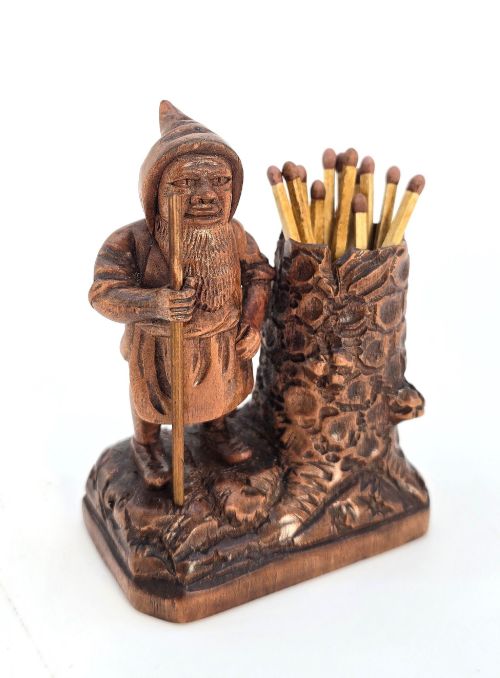
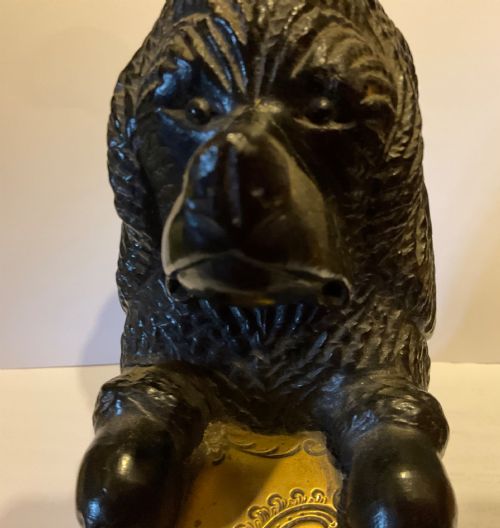
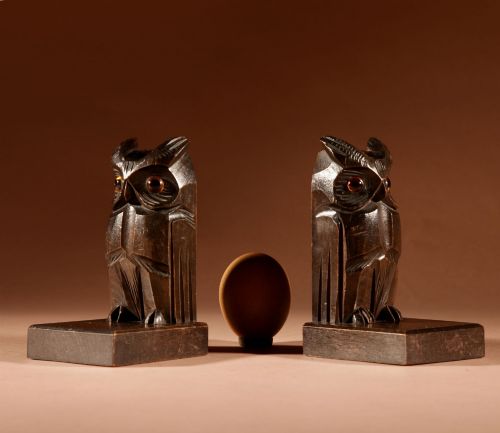
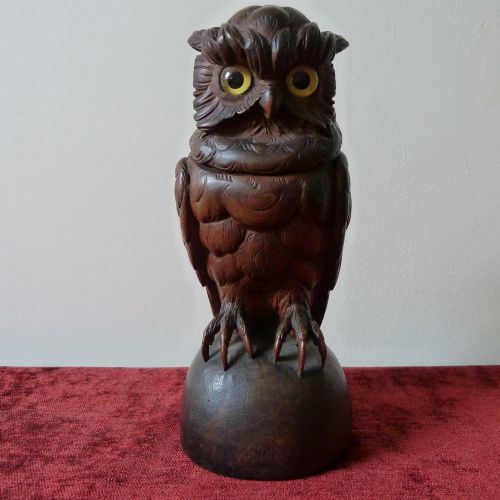
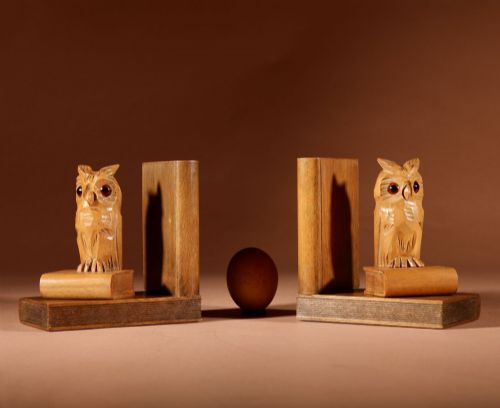
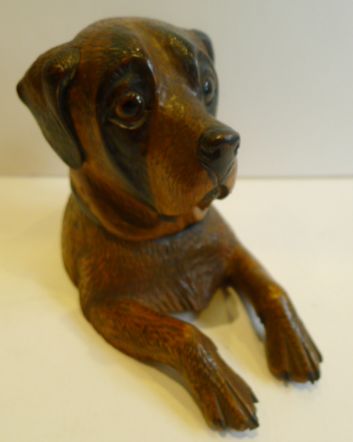
The most common forms on this page include inkwells, bookends, match holders, and tobacco boxes. Animal subjects predominate, with bears, dogs, cats, and owls appearing frequently as inkstands and letter stands.
Originating predominantly from Switzerland and Central Europe, these items combine practical desktop utility with whimsical folk art carving. You find pieces shaped as dogs with logs, cats in boots, and detailed birds of prey.
How they were made
Carvers shaped these objects primarily from linden wood, limewood, and lime wood using traditional hand tools. The soft nature of these timbers allowed artisans to render intricate fur textures, facial expressions, and anatomical details with high precision.
Many items incorporate functional elements such as glass inserts for inkwells and brass fittings for match strikers or hinges. The carved wooden bodies house these metal and glass components securely to serve daily desk tasks.
Black Forest Desk Accessory Retail Price Guide 2026
Typical asking prices for black forest desk accessory among the pieces listed under this phrase on Sellingantiques today, from the lower quarter to the upper quarter. They describe what is for sale here now, not the wider market.
Cats in boots and gnomes holding match strikers prove that nineteenth-century desk organisation had a wonderful sense of humour.
What varies in quality
The distinction between ordinary and superior pieces rests upon the depth of the carving and the naturalism of the animal expression. Master carvers captured lifelike postures in bears, dogs, and owls, whereas simpler work lacks anatomical nuance.
Scale and complexity also define the better examples, particularly large figural groups or dual-purpose items like combined inkstands and pen trays. The preservation of the original wood finish and intact glass liners further distinguishes finer specimens.
Maison F Mack
The Black Forest Desk Accessory Glossary
- Inkwell
- A small jar or container for holding ink, often fitted into a carved wooden animal base with a hinged lid.
- Desk tidy
- A compartmentalised desk accessory used for holding pens, stamps, and small stationery items.
- Match holder
- A small vessel or figure designed to store matches, frequently featuring a built-in striking surface.
- Limewood
- A pale, fine-grained timber favoured by European carvers for its softness and lack of prominent grain.
Black Forest Desk Accessory: Frequently Asked Questions
What is a black forest desk accessory?
A black forest desk accessory is a carved wooden item from the nineteenth or early twentieth century designed for desktop use. These pieces often take the form of animals like bears, dogs, and owls.
They combine decorative folk art carving with practical functions such as holding ink, matches, or books.
How do I care for carved wood?
Keep carved wooden items away from direct sunlight and extreme temperature fluctuations to prevent the timber from splitting. Dust gently with a soft, dry brush.
Avoid using liquid polishes that can build up in the recessed areas of the carving.
Are inkwells missing their glass inserts?
Many antique inkwells retain their original blown glass inserts, though some have lost them over decades of use. It is helpful to inspect the interior cavity to see if an original glass or ceramic liner remains.
Replacements can be sourced if you wish to use the inkwell practically.
How are these pieces dated?
Dating relies on style, materials, and occasional carved signatures or dates left by the artisan. Victorian and Edwardian examples show distinct handling of animal subjects and joinery methods.
Comparative study of period motifs helps establish the likely decade of manufacture.