






19th Century Dog Carving
These 19th century dog carving examples bring spirited animal forms into domestic spaces through rich wooden and stone sculptures.
19th Century Dog Carving
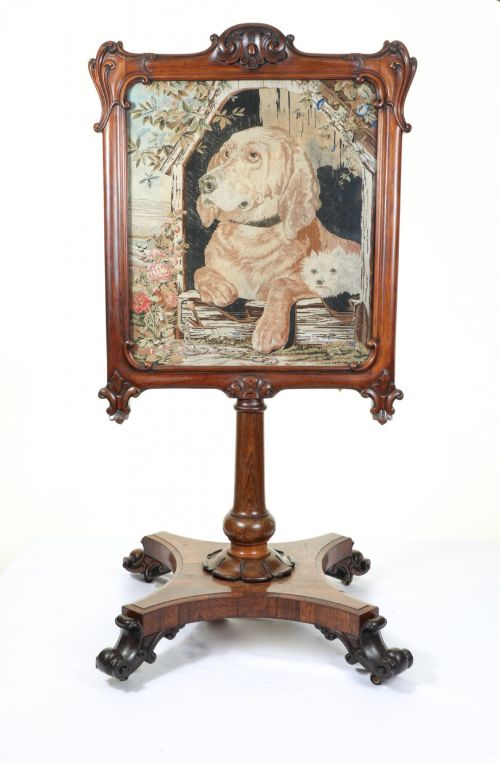
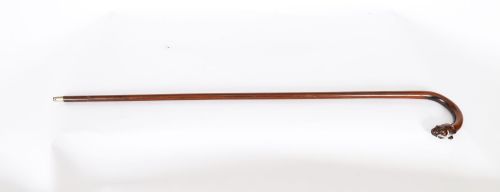
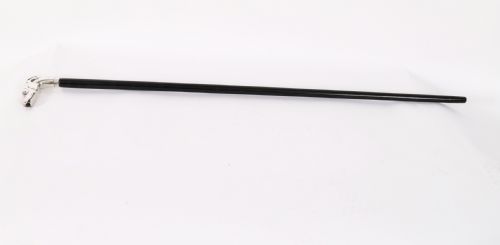
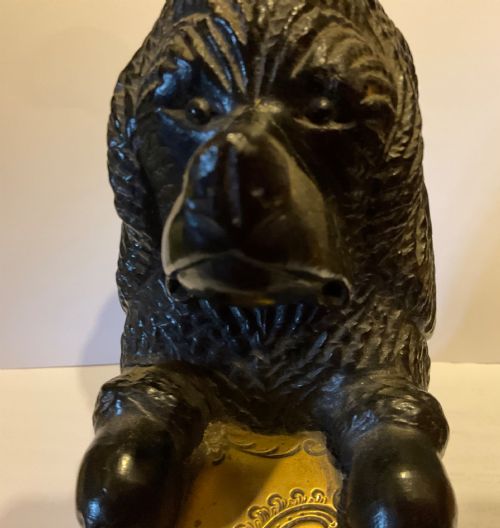
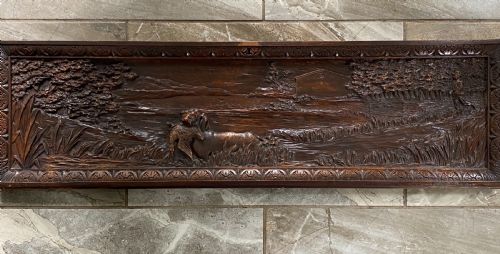
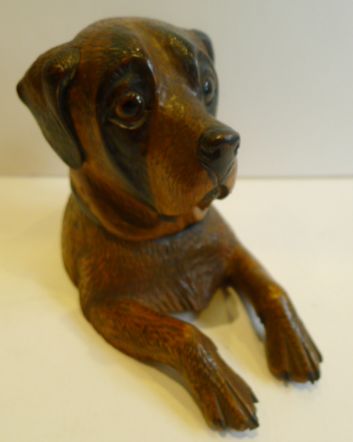
A 19th century dog carving encompasses sculptural figures, functional items, and furniture dating from the Victorian era up to the end of the nineteenth century. These pieces take many forms, appearing as match dispensers, inkwells, walking sticks, humidors, and side tables.
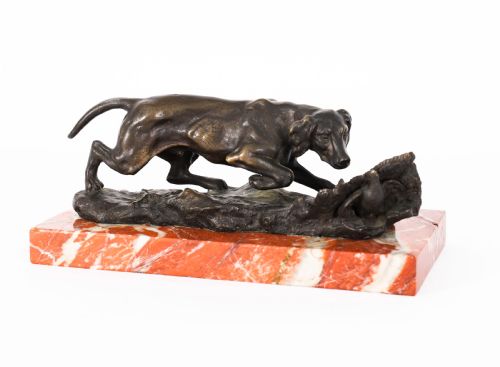
The Black Forest style dominates the wooden examples, frequently presenting hounds, St Bernards, and hunting dogs in detailed relief or full sculpture. Alongside these are pieces in bronze, marble, alabaster, silver, and oak, reflecting diverse European and Asian origins.
How They Were Made
Other materials required different techniques, including the casting of bronze and gilt-metal, the turning and polishing of marble, serpentine, and Derbyshire alabaster, and the mounting of silver on walking sticks.
19th Century Dog Carving Retail Price Guide 2026
Typical asking prices for 19th century dog carving among the pieces listed under this phrase on Sellingantiques today, from the lower quarter to the upper quarter. They describe what is for sale here now, not the wider market.
Listings feature woods including linden wood, walnut, oak, and mahogany alongside materials such as bronze, marble, alabaster, and fabric.
What Varies in Quality
The precision of the animal's anatomy and the depth of the carving determine the success of the work. Skilled carvers rendered musculature and expression with naturalism, while simpler pieces lack anatomical definition.
The integration of the dog figure into functional objects such as inkwells, match holders, and furniture also varies. Superior examples balance utility with sculptural presence, ensuring the carving remains the focal point.
Carl Kauba·Bright And Sons
The 19th Century Dog Carving Glossary
- Black Forest
- A style of wood carving originating from the mountainous region of central Europe, known for realistic animal subjects and rustic furniture.
- Animalier
- A nineteenth-century artistic movement focused on the realistic depiction of animals, seen in sculptures and decorative metalwork.
- Serpentine Marble
- A green, mottled stone used in decorative models and carvings, valued for its distinctive coloration.
- Derbyshire Alabaster
- A fine-grained, soft stone quarried in England, utilised for sculptural animal models.
- Foo Dogs
- Traditional Chinese guardian lion figures often rendered in stone or wood, frequently associated with temple and domestic protection.
19th Century Dog Carving: Frequently Asked Questions
What materials are used in these carvings?
Carvings from this period utilise various materials depending on the origin and function of the piece. Linden wood, walnut, oak, and mahogany appear frequently in wooden sculptures and furniture.
Other examples incorporate bronze, silver, marble, Derbyshire alabaster, green serpentine, and glass to create functional items and decorative models.
How do I identify a Black Forest dog carving?
Black Forest carvings are typically rendered in solid wood, often linden or walnut, with deep undercutting and realistic texturing that depicts fur and anatomical details. They frequently take the form of novelty items such as inkwells, match holders, humidors, and side tables.
The subject matter commonly centres on hounds, foxes, St Bernards, and hunting scenes associated with central European craftsmanship from the nineteenth century.
Were these carvings used every day?
Many of these pieces served practical domestic purposes alongside their decorative function. Inkwells, match dispensers, and cigar humidors were standard desktop accessories in nineteenth-century studies and smoking rooms.
Walking sticks, jewellery caskets, and armchairs integrated canine figures into everyday items, combining utility with elaborate craftsmanship.
How should I care for a wooden dog carving?
Wooden carvings require a stable environment away from direct sunlight and sudden temperature fluctuations, which can cause the timber to split or warp. Occasional dusting with a soft, dry cloth helps maintain the surface without damaging the finish.
Moisture and harsh cleaning agents should be avoided to preserve the natural grain and carved details of the wood.