



Black Fire Basket
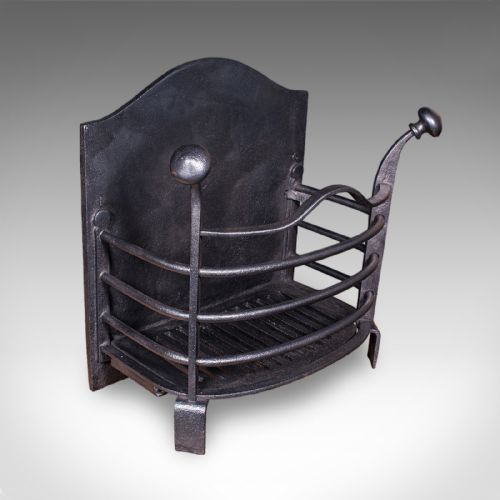
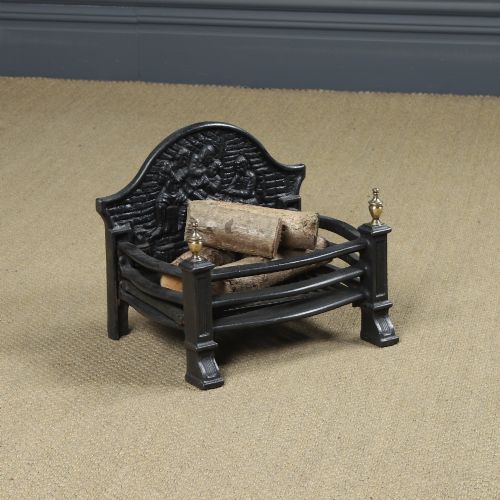
A black fire basket anchors the hearth with heavy metalwork, holding logs securely while radiating warmth across the room.
Black Fire Basket
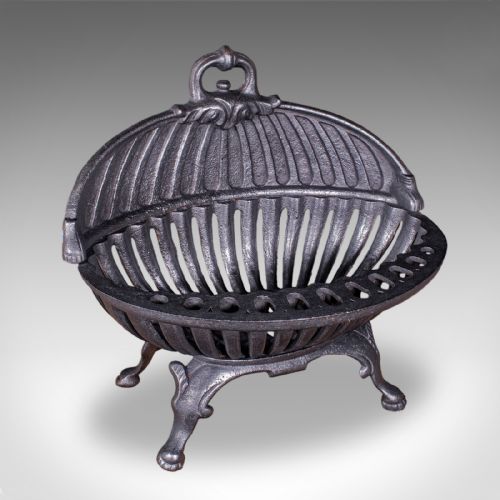
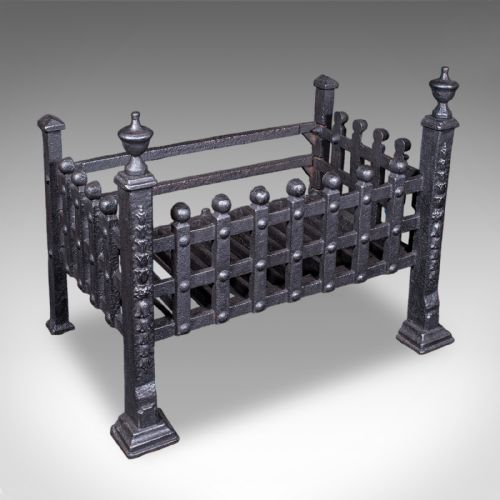
A black fire basket serves as a freestanding or hearth-mounted receptacle for coal and logs, bringing dark metal texture to the fireplace. Buyers seeking a black fire basket will encounter robust iron forms designed to sit within an open hearth or register grate.
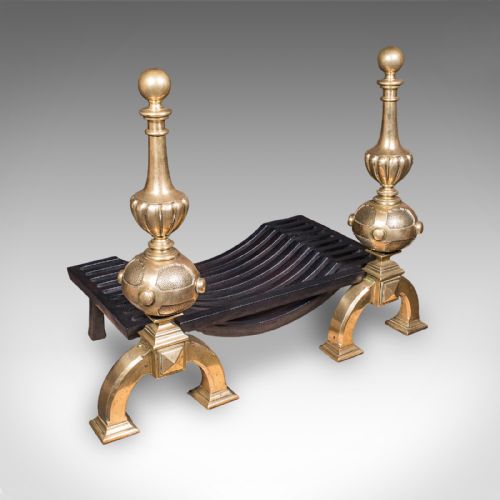
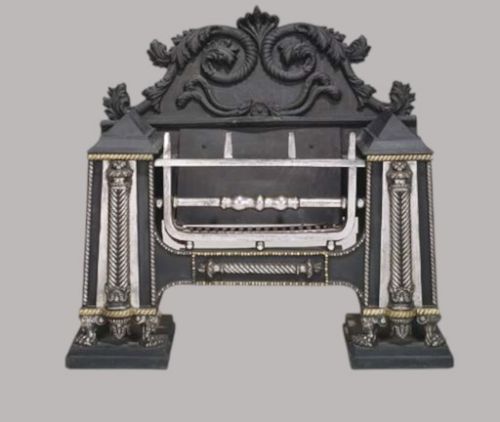
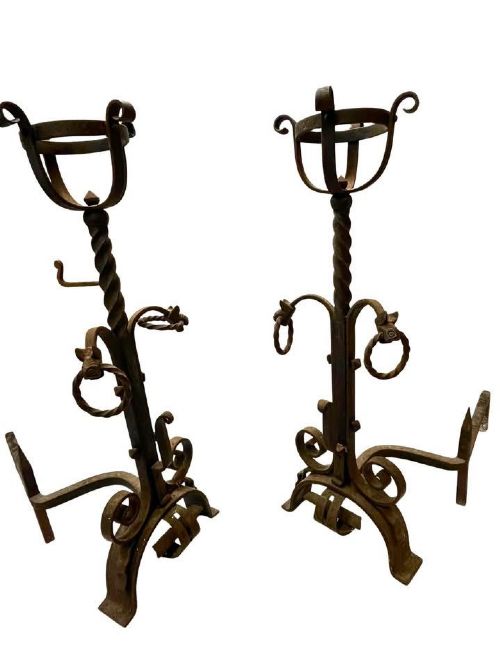
The pieces on this page span several centuries, with Victorian and Georgian examples appearing alongside revival pieces from the twentieth century. Forms range from simple small grates to heavy inglenook fire baskets accompanied by matching andirons.
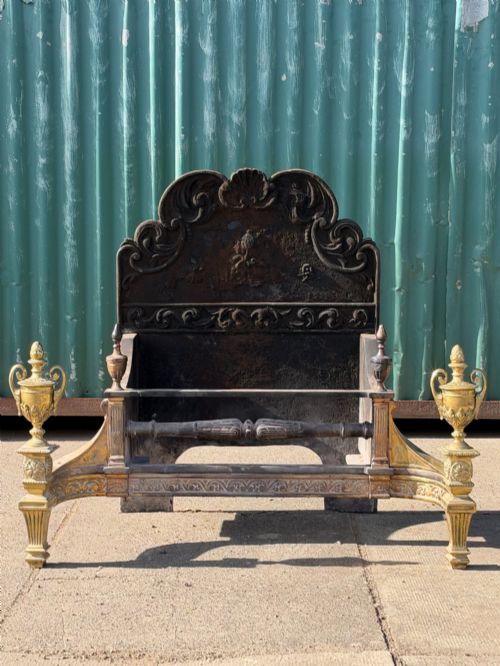
Many listings pair the basket with fire backs, fenders, or fireplace sets that complete the hearth arrangement. These items rely on dark cast and wrought iron surfaces that show the utilitarian roots of domestic heating.
Materials and construction
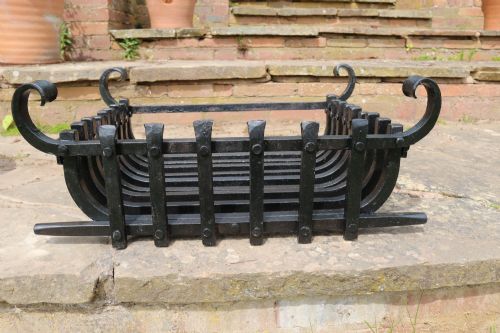
Makers shaped these fire baskets primarily from cast iron and wrought iron, utilising the distinct properties of each metal. Cast iron allowed for sturdy moulded backs and structural frames, while wrought iron provided flexible strength for forged bars and handles.
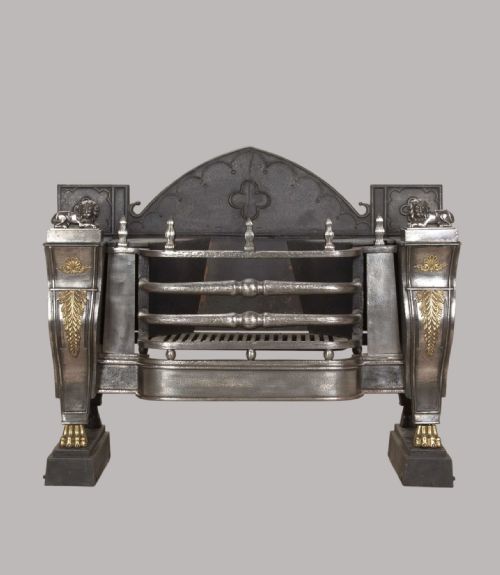
Brass details and firebrick linings frequently supplement the iron body, adding points of contrast and heat retention within the hearth. Pigment and dark protective finishes complete the construction, sealing the metal against soot and ash.
Black Fire Basket Retail Price Guide 2026
Typical asking prices for black fire basket among the pieces listed under this phrase on Sellingantiques today, from the lower quarter to the upper quarter. They describe what is for sale here now, not the wider market.
Listings feature periods from the Georgian and Regency eras through to the 1930s, constructed in cast iron, wrought iron, and brass.
Distinctions in quality
Weight and gauge of metal separate simpler grates from superior examples, as heavier iron sections withstand intense hearth temperatures without warping. Superior pieces often display careful hand-wrought joining alongside crisp cast ornamentation on the fire back.
Design cohesion also marks the better pieces, where matching andirons, firebacks, and grates share a unified classical or Gothic revival style rather than appearing as assembled suites.
The Black Fire Basket Glossary
- Cast Iron
- Iron poured into a mould while molten to create heavy, rigid shapes with decorative details. This material forms the primary structure of most fire backs and grates.
- Wrought Iron
- Iron heated and hammered into shape by hand, known for its fibrous strength. It appears in the forged bars and decorative scrolls of fire baskets.
- Andirons
- Supports placed on either side of the hearth to hold logs above the floor of the fireplace. They frequently accompany fire baskets in larger settings.
- Register Grate
- A fireplace grate fitted with a movable flap or plate to control the draught and smoke flow up the chimney. These units integrate the basket directly into the surround.
- Firebrick
- Refractory ceramic block used to line fireboxes and protect surrounding masonry from extreme heat. It retains warmth long after the fire dies down.
Black Fire Basket: Frequently Asked Questions
What is a black fire basket?
A black fire basket is a metal grate designed to hold solid fuel like wood or coal inside an open fireplace. These pieces lift the fuel off the hearth to improve air circulation and combustion.
Most examples are built from heavy cast or wrought iron, presenting a dark, utilitarian finish that stands up to continuous heat. They often sit independently on legs or rest upon paired andirons.
How do you install a fire basket?
Installation typically involves placing the freestanding basket directly onto the hearth floor or positioning it within an existing opening. Heavier models may require placement on substantial andirons or connection to a dedicated fire back.
Before use, ensure the chimney has been swept and inspected for safe operation with an open solid fuel fire. Proper clearance from combustible materials is essential for safety.
How do I date a fire basket?
Dating relies on stylistic clues such as Gothic revival motifs, classical Regency lines, or Arts and Crafts simplicity. Manufacturing marks and the balance of cast versus wrought elements also offer clues to the period.
Victorian and Georgian pieces tend to show heavier hand-working and distinct regional casting characteristics. Revival pieces from the early twentieth century often replicate these earlier styles with slight variations in the iron gauge.
Can I burn real wood in these baskets?
Most of these historic iron baskets were built specifically for burning coal, wood, or peat in active hearths. The durable iron construction handles solid fuel combustion effectively.
Check the condition of the metal bars and any firebrick linings before lighting a fire to ensure the structure remains sound. Using a protective hearth rug and fender helps contain stray embers.