



Black Ebony Cane
A black ebony cane offers dense, heavy timber and distinctive hand-carved detail, making it a tactile collectable that brings serious historical presence to a hallway.
Black Ebony Cane
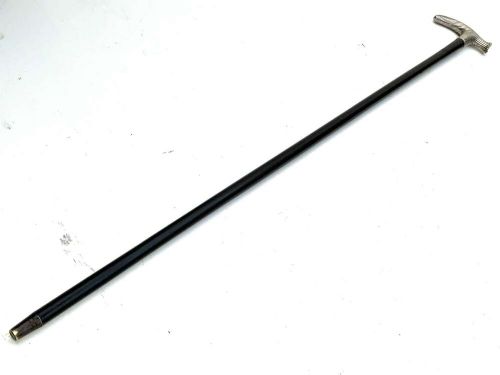
When you search for a black ebony cane, you encounter walking sticks and related gentleman's accessories fashioned from dark tropical hardwoods or ebonised wood. Many examples incorporate metal components such as brass, steel, and silver mounts.
The pieces listed on this page span the early twentieth century, featuring embossed silver handles alongside concealed blades in sword sticks. These items reflect the personal accessories carried during the Edwardian era and subsequent decades.
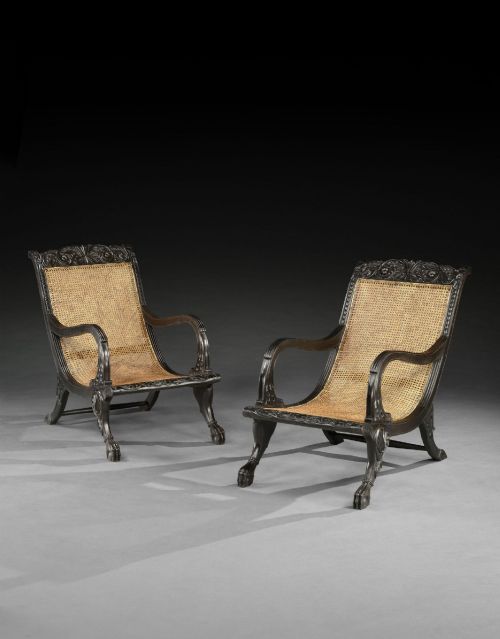
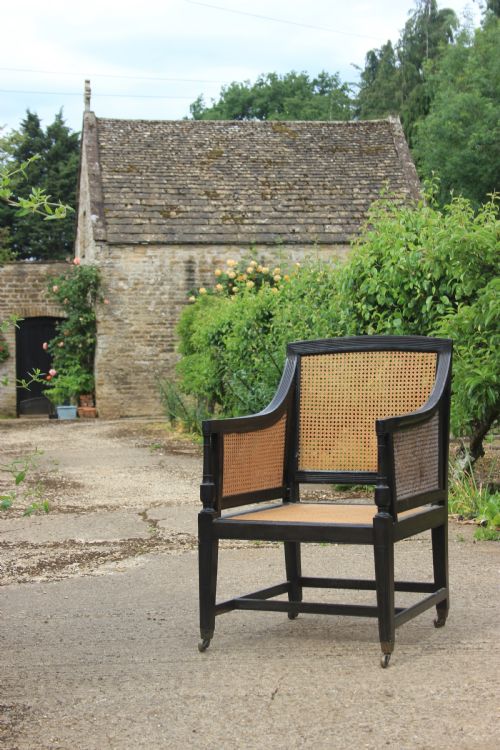
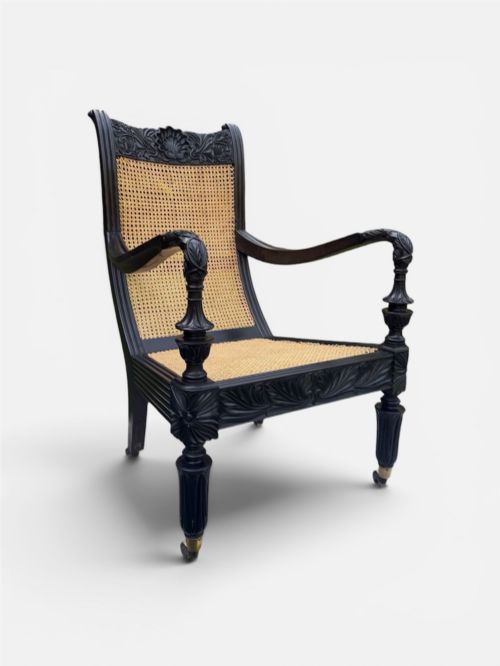
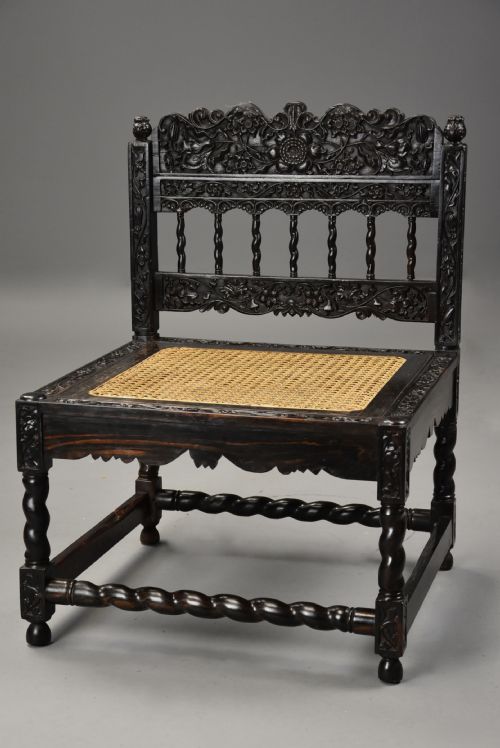
While the search phrase names canes, the broader material evidence also encompasses substantial solid ebony armchairs and dining chairs from nineteenth-century Ceylon and the Coromandel Coast. Buyers interested in ebony frequently explore these carved seating options alongside walking aids.
How they were made
Makers utilised dense natural ebony and subsidiary woods like ebonised wood to form the shafts and structural frames, often working the material by hand. The natural weight of the timber provides a solid, substantial feel in the hand.
Craftsmen mounted the walking sticks with silver, brass, and steel elements, attaching decorative handles or concealing functional sword blades within the shafts. These metal additions required precise fitting to maintain structural integrity along the length of the cane.
Black Ebony Cane Retail Price Guide 2026
Typical asking prices for black ebony cane among the pieces listed under this phrase on Sellingantiques today, from the lower quarter to the upper quarter. They describe what is for sale here now, not the wider market.
Several walking sticks double as sword sticks, offering a discreet blade hidden beneath an otherwise respectable gentleman's silver-topped handle.
What varies in quality
The refinement of the metalwork largely separates standard walking sticks from finer examples. Heavy silver top mounts with crisp embossing indicate a higher standard of manufacture than plain metal collars.
The presence of integrated mechanisms, such as a secure sword stick blade fitting flush within the shaft, distinguishes superior pieces. The integrity of the wood and the precision of any applied decoration determine the overall standing of an individual cane.
The Black Ebony Cane Glossary
- Ebony
- A dense, heavy black or very dark brown wood derived from tropical trees. It is prized for its fine texture and ability to take a high polish.
- Ebonised wood
- Timber treated with a dark stain or finish to imitate true ebony. This technique was common in nineteenth-century cabinetmaking.
- Sword stick
- A walking stick with a concealed blade hidden inside the shaft. The handle secures the blade until released.
- Silver top
- A metal mount of silver fitted to the handle of a cane. These mounts often feature engraved decoration or hallmarks.
Black Ebony Cane: Frequently Asked Questions
What is a black ebony cane?
A black ebony cane is a walking stick fashioned from heavy tropical ebony wood or ebonised timber. These items often feature metal handles and mounts.
Such pieces served as gentleman's accessories during the nineteenth and early twentieth centuries, combining practical support with decorative presence.
How do I identify a sword stick?
A sword stick contains a concealed steel blade fitted securely inside the wooden shaft. The handle acts as the grip for the hidden weapon.
These pieces require careful handling to ensure the locking mechanism holds the blade safely in place during daily carriage.
What metals are found on these sticks?
Walking sticks frequently incorporate silver, brass, and steel components. Silver appears primarily on handles and decorative collars.
Steel is utilised for internal sword blades, while brass forms ferrule tips and structural fittings to protect the base of the shaft.
How should I care for ebony wood?
Ebony requires stable indoor humidity to prevent the dense timber from splitting over time. Avoid placing walking sticks near direct heat sources.
Occasional light conditioning maintains the natural sheen of the dark wood without building up heavy chemical residues on the surface.