



Black Dress Portrait Canvas
A black dress portrait canvas brings centuries of sharp character and sombre elegance directly to your wall.
Black Dress Portrait Canvas
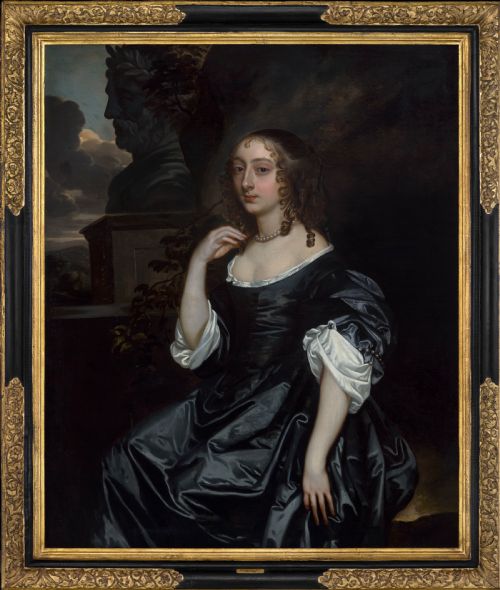
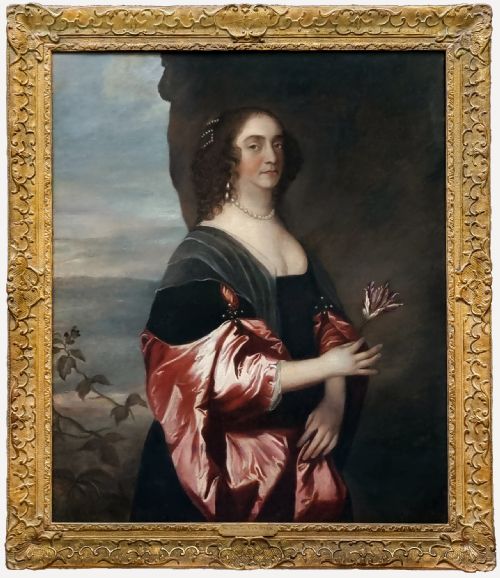
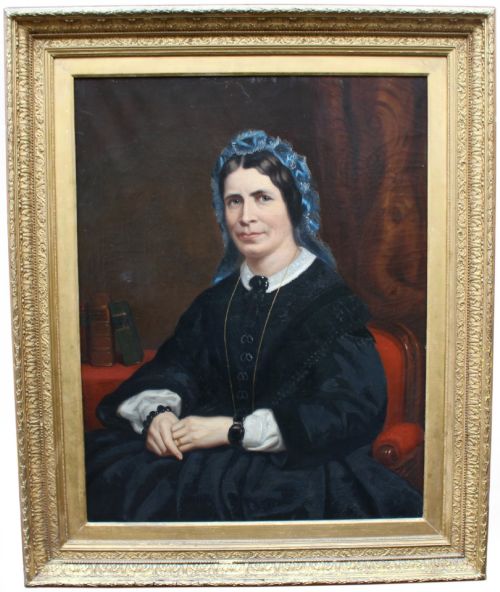
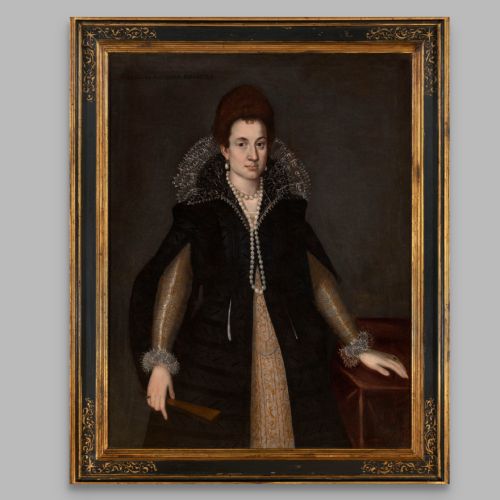
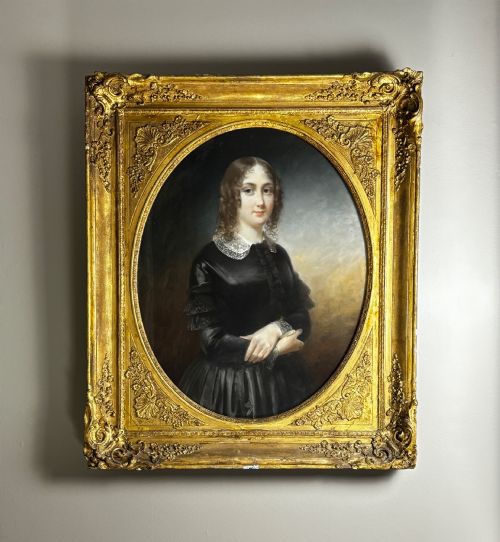
A black dress portrait canvas captures subjects ranging from seventeenth-century nobility to twentieth-century sitters in oils, often framed in giltwood or timber. These works appear in distinct historical modes, from British and Italian Baroque to Victorian and Impressionist styles.
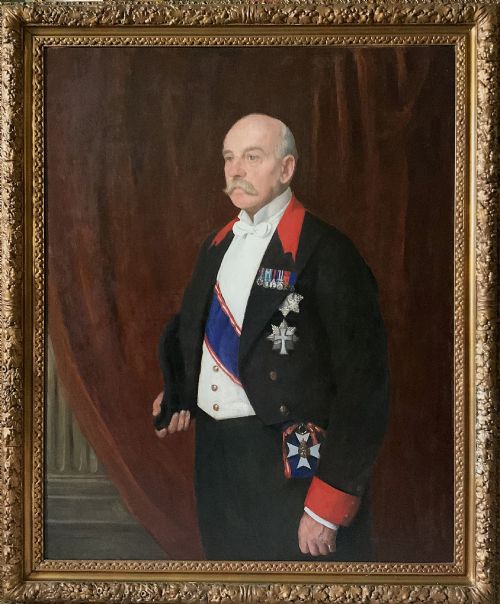
The most common examples on this page are nineteenth-century canvases and seventeenth-century works from the circle of established portraitists. Sitters include notable figures such as major-generals and countesses alongside anonymous subjects.
Oil paint on stretched canvas forms the foundation of every piece here, frequently accompanied by original wood frames finished in gold leaf. The survival of these textiles and pigments demonstrates the enduring appeal of formal portraiture.
Materials and construction
Painters applied oil paint directly onto stretched canvas supports, building deep tones through layered pigments and glazes. This medium allowed artists to render the heavy texture of dark fabrics and the subtle play of light on skin.
Many works retain their period wooden frames, often enhanced with gold leaf or giltwood mouldings. These surrounds protect the edges of the canvas and complete the visual weight of the composition.
Black Dress Portrait Canvas Retail Price Guide 2026
Typical asking prices for black dress portrait canvas among the pieces listed under this phrase on Sellingantiques today, from the lower quarter to the upper quarter. They describe what is for sale here now, not the wider market.
A physician to Queen Victoria and an artist known simply as Sem both share wall space here.
Distinguishing quality in portraiture
The sophistication of the brushwork and the psychological depth of the sitter's expression determine the standing of each piece. Finer hands capture the luminosity of lace and the specific fall of light across dark textiles with greater precision.
Condition of the painted surface and the originality of the stretcher and frame influence the overall integrity of the work. Early restorations and stable canvas grounds maintain the historical value of these paintings.
Sir Peter Lely·Pietro Fachetti·W.R. Waters·Georges Goursat Sem·Cornelius Johnson·Sonia Mervyn·Eden Upton Eddis·John Raphael Smith
The Black Dress Portrait Canvas Glossary
- Canvas
- A heavy woven fabric stretched across a wooden frame to serve as the support for oil paintings. This material replaced wooden panels as the primary surface for artists during the early modern period.
- Giltwood
- Wood that has been coated with a thin layer of gold leaf or gilt powder. Frames made in this manner were designed to complement the rich tones of oil portraits.
- Baroque
- A European artistic style spanning the seventeenth and early eighteenth centuries characterised by drama, tension and deep chiaroscuro. Portraits in this manner emphasise rich fabrics and authoritative poses.
- Impressionist
- A style originating in the nineteenth century focusing on light, loose brushwork and everyday scenes rather than rigid academic finish. Works in this manner capture the transient effects of light on the subject.
- Circle of
- A term used when a painting originates from an unknown artist working closely within the studio style of a recognised master. These pieces share technical similarities with the named painter.
Black Dress Portrait Canvas: Frequently Asked Questions
What is a black dress portrait canvas?
These works are oil paintings on canvas depicting human subjects wearing dark or black garments, spanning periods from the seventeenth century to the twentieth century. They record the likenesses of named individuals and anonymous sitters alike.
Subjects range from aristocracy and clergy to everyday people captured in impressionist or Victorian styles. Each piece serves as both a historical record and a decorative artwork.
How do I date a portrait canvas?
Dating relies on the sitter's costume, the hairstyle, the framing materials and the technical execution of the oil paint. Seventeenth-century works often feature distinct lace collars and darker palettes.
Later Victorian and Edwardian pieces show shifts in canvas preparation and stretcher construction. Comparing the style to documented works by known schools helps narrow the period further.
Where should I hang these paintings?
These works suit traditional reception rooms, studies or hallways where adequate wall space allows the giltwood frames to stand out. They require stable environmental conditions away from direct sunlight and excessive humidity.
Proper lighting from a picture light enhances the dark tones of the oil paint and the texture of the canvas. Ensure the wall structure can support the weight of the heavier framed pieces.
How should I care for oil on canvas?
Dust the painted surface and frame gently with a soft, dry brush to prevent particulate accumulation. Avoid using water, chemical cleaners or oils on the canvas or the giltwood.
Professional conservators should handle any structural repairs, cleaning of the varnish layer or canvas relining. Maintaining consistent indoor temperatures protects the timber stretchers from warping.