

Black Display Stand
A black display stand brings dark, considered structure to a room, holding objects with quiet authority.
Black Display Stand
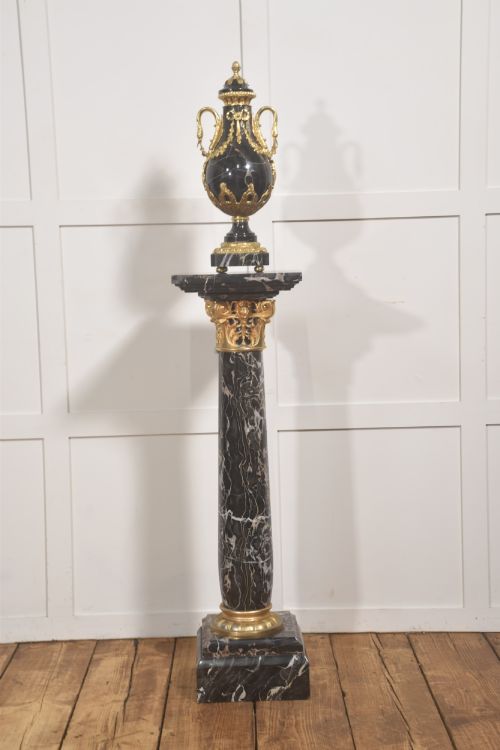
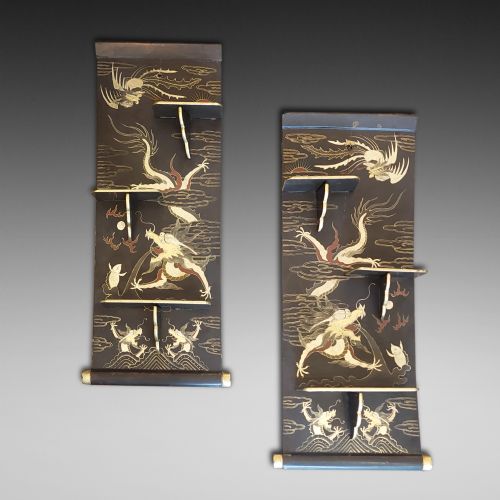
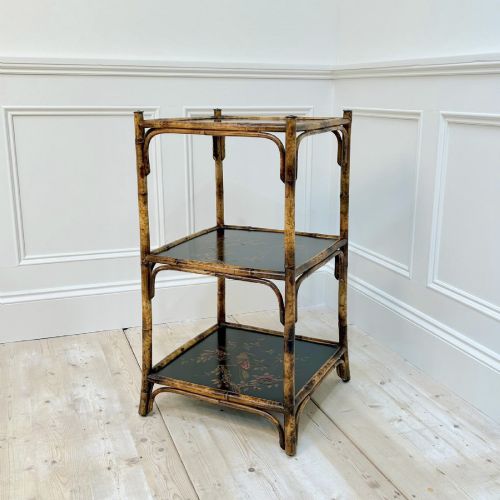
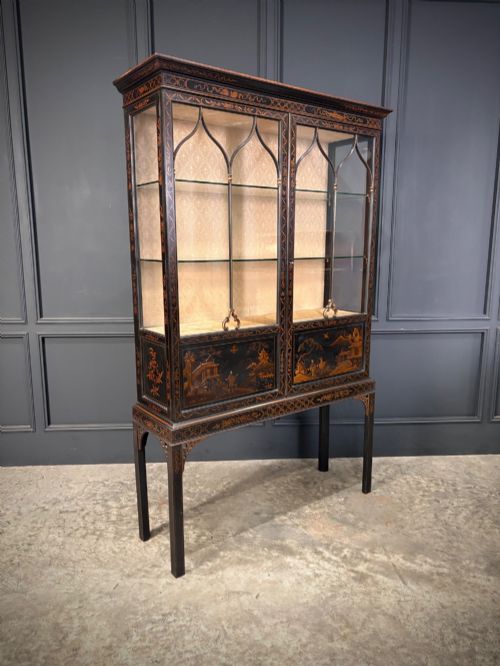
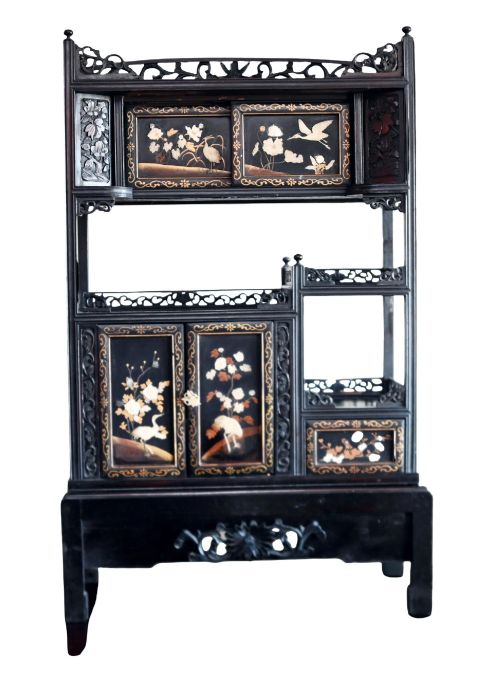
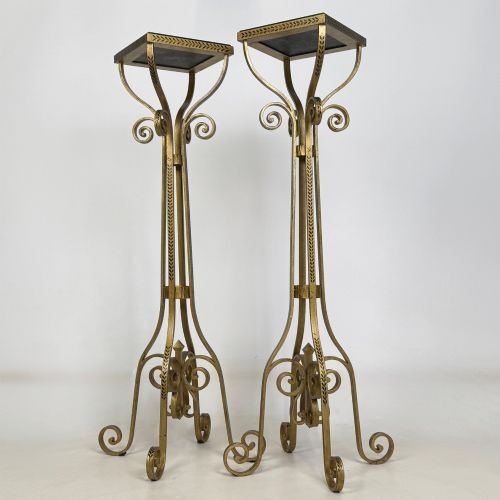
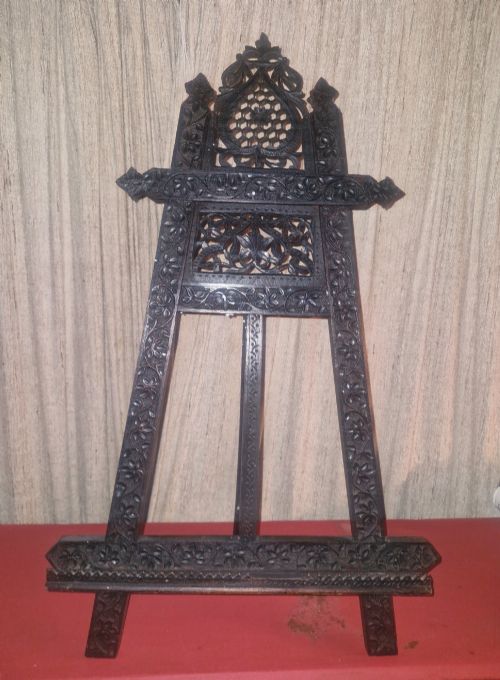
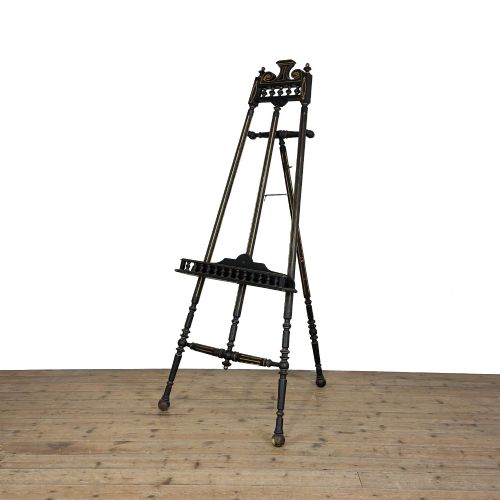
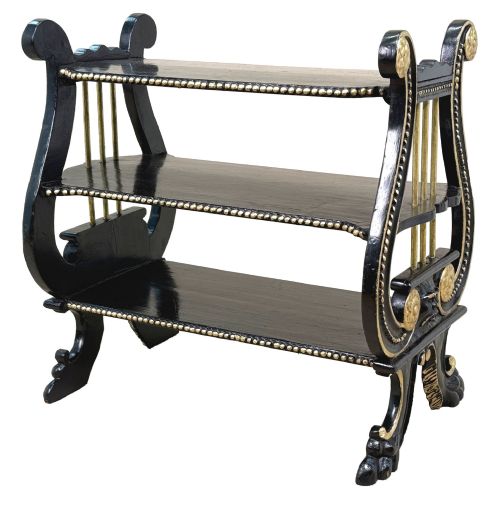
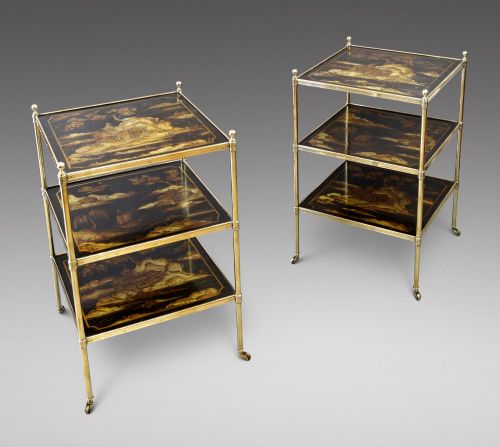
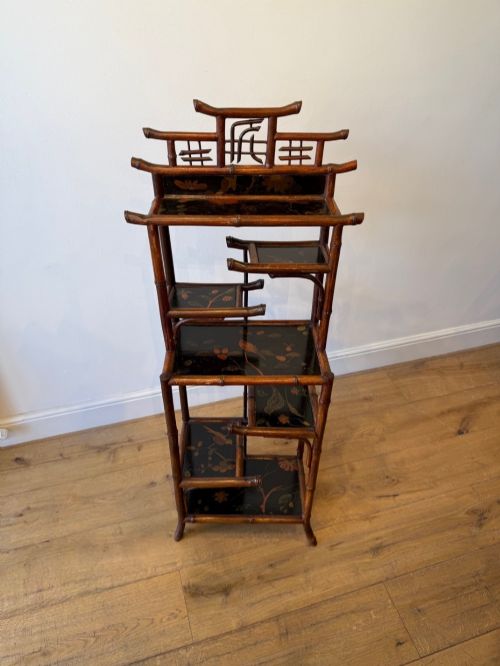
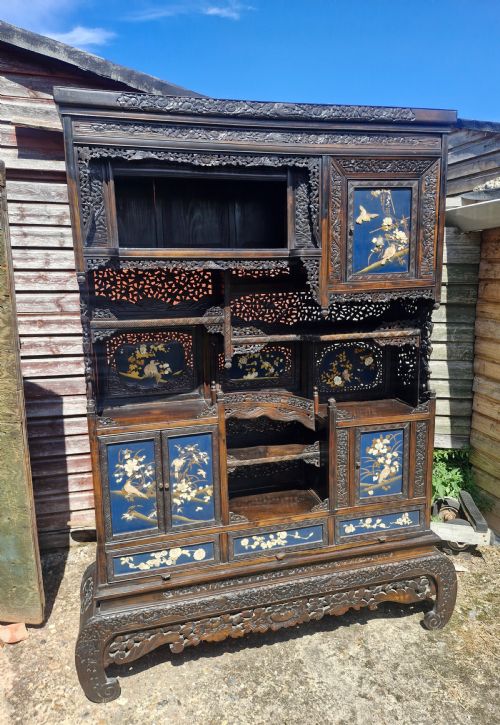
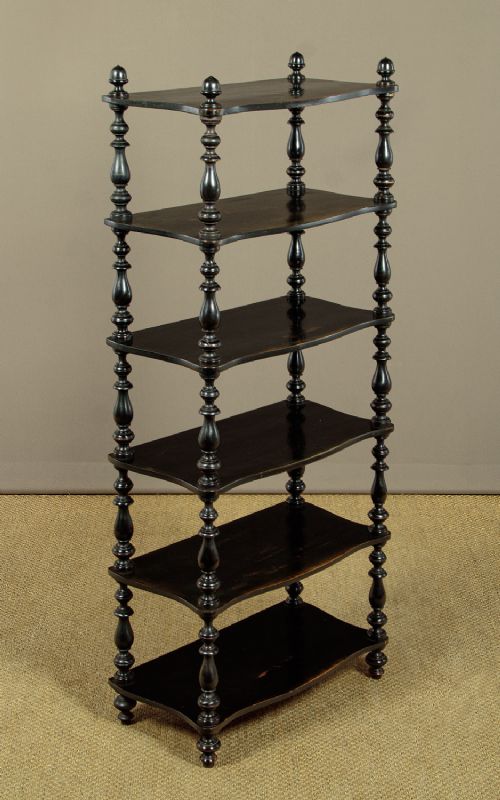
When searching for a black display stand, buyers encounter a diverse selection of furniture designed to showcase objects, plants, and books. The options span nineteenth-century etageres, plant stands, and cabinets alongside early twentieth-century hanging shelves and easels.
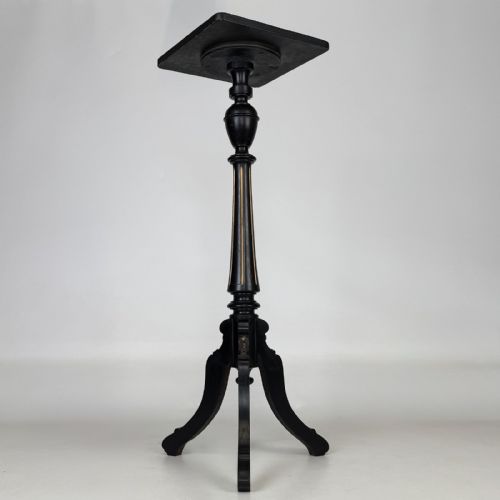
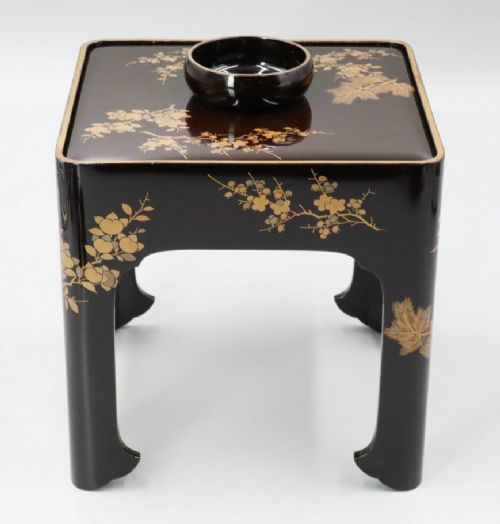
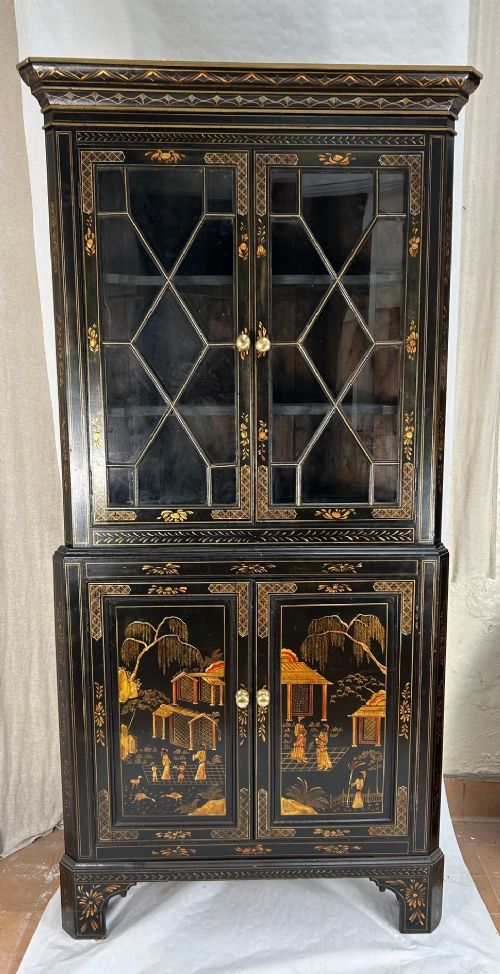
The most common formats on this page include ebonised wooden plant stands with tripod bases and dark lacquer cabinets resting on stands. These pieces range from Victorian aesthetic movement designs to Chinese Qing dynasty and Japanese Meiji works.
How they were made
Makers achieved the characteristic dark finish through ebonising timber such as mahogany, walnut, and elm, often enhancing the surfaces with parcel gilding or mother of pearl inlay. Lacquer techniques appear frequently, particularly on Chinese and Japanese pieces finished with detailed Chinoiserie motifs.
Metal components also feature prominently, utilising brass scroll bases, cast iron frames, and wrought iron structures. Structural support relies on traditional joinery combined with bamboo frameworks and marble tops where appropriate.
Black Display Stand Retail Price Guide 2026
Typical asking prices for black display stand among the pieces listed under this phrase on Sellingantiques today, from the lower quarter to the upper quarter. They describe what is for sale here now, not the wider market.
Listings span the nineteenth and early twentieth centuries, featuring ebonised wood, brass, lacquer, and wrought iron.
What varies in quality
Distinctions in quality rest upon the depth of the ebonising and the precision of the hand-applied lacquer work or gilding. Superior examples exhibit refined carving and intact inlay, whereas simpler items rely on plain painted finishes.
Structural integrity separates standard utilitarian pieces from exceptional cabinetwork. Fine examples display robust joinery in materials like hardwood, while lesser pieces show simpler construction methods across bamboo and softer woods.
The Black Display Stand Glossary
- Ebonised wood
- Timber treated with stain or paint to imitate ebony. This dark finish became particularly popular during the Victorian and Aesthetic periods.
- Etagere
- A piece of furniture consisting of a set of open shelves for displaying small ornaments. These tiered stands often feature slender supports and decorative framing.
- Chinoiserie
- European decorative art influenced by Chinese artistic styles. It appears frequently on lacquered cabinets and screens from the nineteenth and early twentieth centuries.
- Vitrine
- A glass-fronted cabinet designed for displaying fine objects or curiosities. These pieces protect delicate items while offering clear visibility from multiple angles.
- Torchiere
- A tall stand or candlestick originally designed to hold a torch. In later periods, these forms evolved into decorative plant stands and torchieres.
Black Display Stand: Frequently Asked Questions
How do I choose the right stand for plants?
Consider the weight and spread of your pot before selecting a base. Tripod wooden stands and cast iron structures offer distinct stability profiles depending on the floor surface.
Match the height of the stand to the surrounding furniture. Taller pedestals suit trailing foliage, while tiered plant stands accommodate smaller pots across multiple levels.
Where should I place a black display stand?
Position these stands against lighter walls to let the dark ebonised wood or lacquer silhouette stand out. Corners and empty alcoves benefit particularly from the vertical emphasis of etageres and cabinets.
Keep pieces away from direct heat sources to protect delicate lacquer finishes and veneered surfaces. Adequate clearance ensures the displayed objects remain safe from accidental knocks.
How do I clean ebonised and lacquered surfaces?
Dust surfaces regularly with a soft, dry cloth to prevent particle buildup. Avoid harsh chemical cleaners that can strip the dark ebonised stain or damage traditional lacquer.
Consult a specialist before applying any wax or polish to antique finishes. Gentle maintenance preserves the depth and sheen of the original dark surface.