

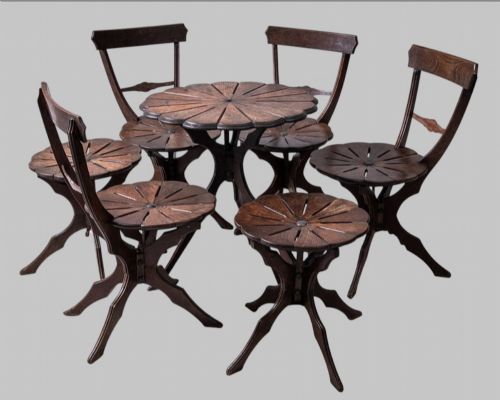


Black Dining Table
A black dining table anchors a room with quiet authority, offering a moody, grounding contrast that timber tones alone cannot achieve.
Black Dining Table
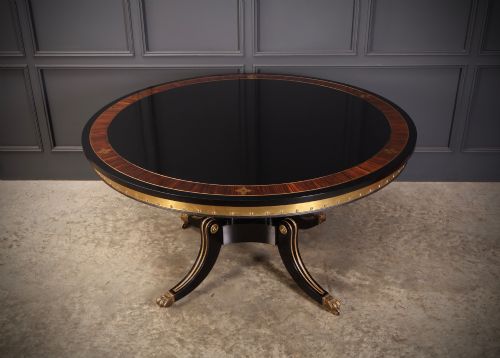
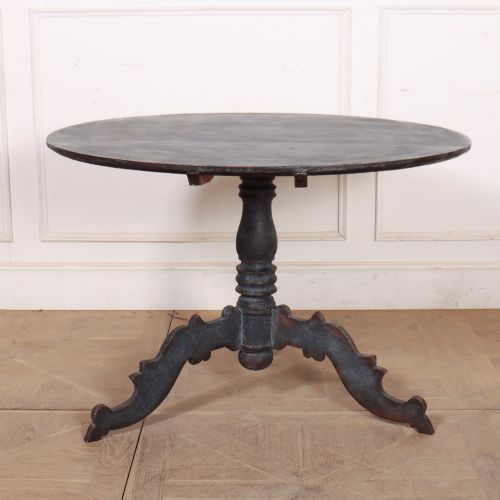
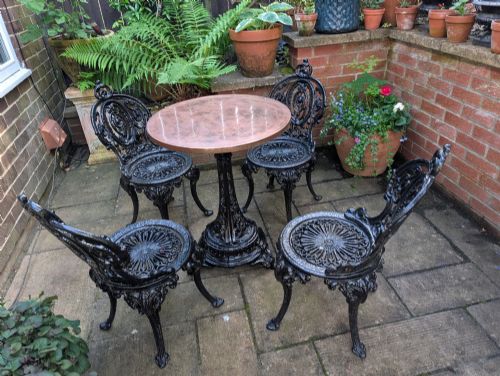
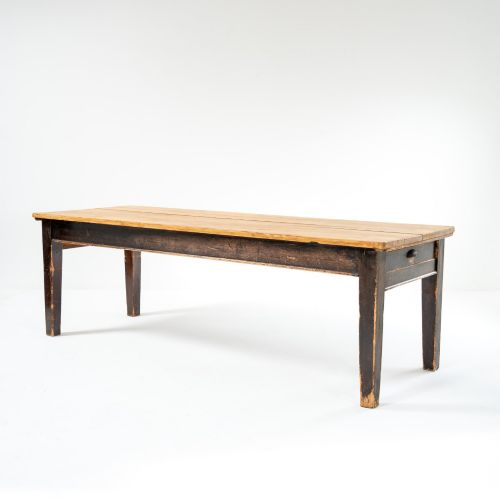
A black dining table brings a deliberate, architectural weight to an interior, whether expressed through painted pine, ebonised timber, or iron framing. When you search for a black dining table, you encounter diverse forms ranging from expansive Victorian farmhouse and harvest tables to compact bistro sets and occasional dining pieces.
The selections span periods from the nineteenth century through the Edwardian era and into Art Deco design. You are most likely to meet painted scrub-top timbers, heavy cast-iron bases paired with wooden tops, or rich dark walnut suites.
Origins vary across English country houses, French provincial settings, and Scandinavian country interiors. These pieces serve practical daily dining while establishing a strong visual focal point in the room.
Materials and construction
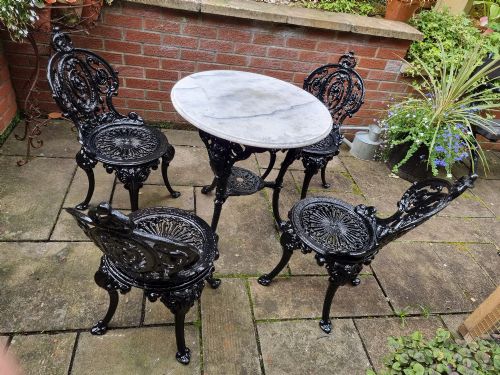
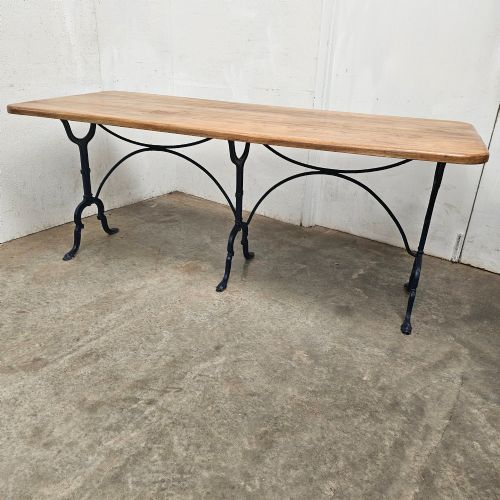
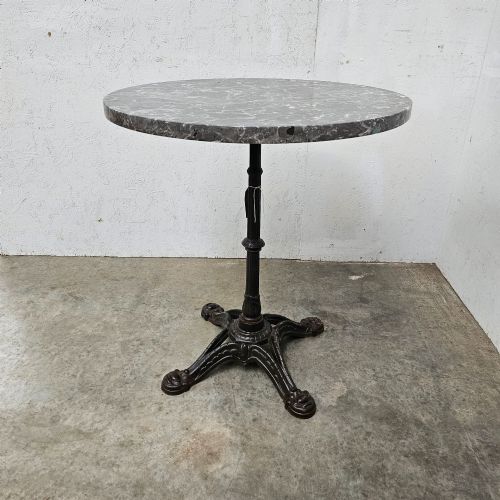
Construction relies heavily on durable timbers such as pine, oak, elm, and mahogany, frequently combined with structural metal elements like cast iron and brass. Heavy cast-iron bases provide stability for both indoor pub tables and outdoor garden sets, often paired with contrasting wooden or marble tops.
Surface finishes involve traditional painting techniques, ebonising, or natural grain bleaching, allowing the underlying timber texture to remain visible beneath dark tones. Metal components utilise foundational casting methods, while finer details incorporate brass inlay and carved oak ornamentation.
Black Dining Table Retail Price Guide 2026
Typical asking prices for black dining table among the pieces listed under this phrase on Sellingantiques today, from the lower quarter to the upper quarter. They describe what is for sale here now, not the wider market.
Materials span cast iron, brass, marble, pine, oak, and mahogany across various domestic forms.
Distinctions in quality
Quality rests upon the structural integrity of the frame and the harmonious pairing of materials, such as a substantial marble top fitted securely to a cast-iron base. Tables exhibiting honest patination on painted surfaces or scrubbed wooden tops demonstrate superior character compared to uniform, modern reproductions.
The precision of metal casting in bases and the subtlety of inlaid brass work separate standard utility items from more distinguished examples. Craftsmanship is visible in how well joints endure decades of daily gathering and dining use.
The Black Dining Table Glossary
- Scrub top
- A wooden table top designed to be vigorously scrubbed clean after food preparation, often found on pine farmhouse tables. This process leaves the grain raised and pale.
- Cast iron
- An iron-carbon alloy poured into moulds to create heavy, durable bases and decorative garden furniture. It provides exceptional stability for dining and bistro tables.
- Pembroke table
- A small table with hinged drop leaves on either side supported by folding brackets. It offers flexible surface area in more compact dining spaces.
- Harvest table
- A long, narrow dining table traditionally used for communal seasonal meals in large country houses. They accommodate numerous guests comfortably along their length.
- Ebonisation
- A finishing process that treats dark or open-grained wood to imitate expensive ebony wood. It creates a deep, uniform dark surface finish.
Black Dining Table: Frequently Asked Questions
How do I clean a painted dining table?
Wipe surfaces gently using a soft, damp cloth with mild soap, avoiding harsh chemical sprays that might degrade historic paint.
Dry the wood thoroughly afterwards to prevent moisture damage to the underlying timber grain.
Can cast iron bases be used indoors?
Heavy cast-iron bases transition easily between indoor kitchens, conservatories, and outdoor garden spaces without losing structural integrity.
Their robust weight ensures stability across varied flooring types.
What chairs pair best with these tables?
Pairing painted wooden tables with contrasting folding metal chairs or matching timber benches creates a balanced dining arrangement.
Mixing periods, such as placing Edwardian or Art Deco seating around nineteenth-century frames, adds visual depth.
How do I identify a Victorian pine table?
Victorian pine tables typically display generous proportions, hand-planed tops, and sturdy mortise and tenon joinery built for heavy daily use.
Their surfaces often exhibit deep patination accumulated through generations of domestic labour.